A buyer asks three factories for a rubber gloves price and receives three numbers: $0.42 per pair, $5.40 per dozen and $0.58 per retail pack. Which is cheaper? The answer is unknown until the buyer confirms what each number includes, how many usable pairs will reach the warehouse, and who pays the costs between factory and destination. A low figure can describe a different glove, a different pack or a different delivery point.
Understanding rubber gloves price is crucial for effective budgeting and procurement.

To get the best rubber gloves price, always consider additional costs.
Comparing rubber gloves price is essential for making informed purchasing decisions.
Direct answer: Compare each quotation against one approved glove specification and one sellable unit. Convert every offer into the same currency, pack quantity and delivery basis. Then add buyer-paid packaging, one-time charges, freight, insurance where applicable, import charges, inspection and expected loss. Divide that total by the number of pairs expected to be sellable. Keep uncertain inputs visible rather than turning estimates into a false final price.
Each supplier’s rubber gloves price can vary widely based on specifications.
This method is for reusable household gloves bought by retailers, importers, distributors and cleaning-product brands. It does not set a market benchmark or imply a current Red Sunshine selling price. The example figures below are hypothetical arithmetic, not supplier quotations.
1. Define the glove before comparing a price
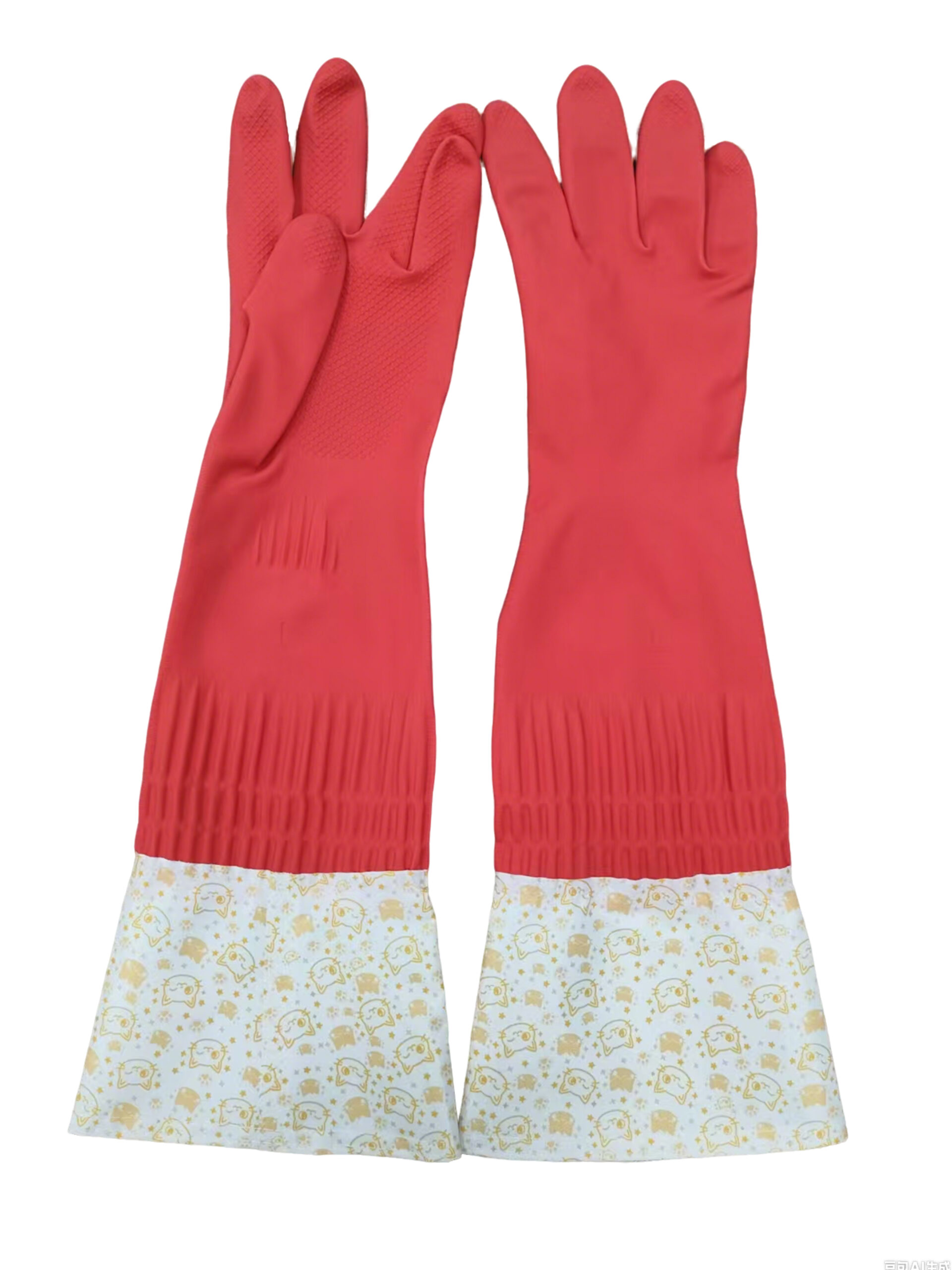
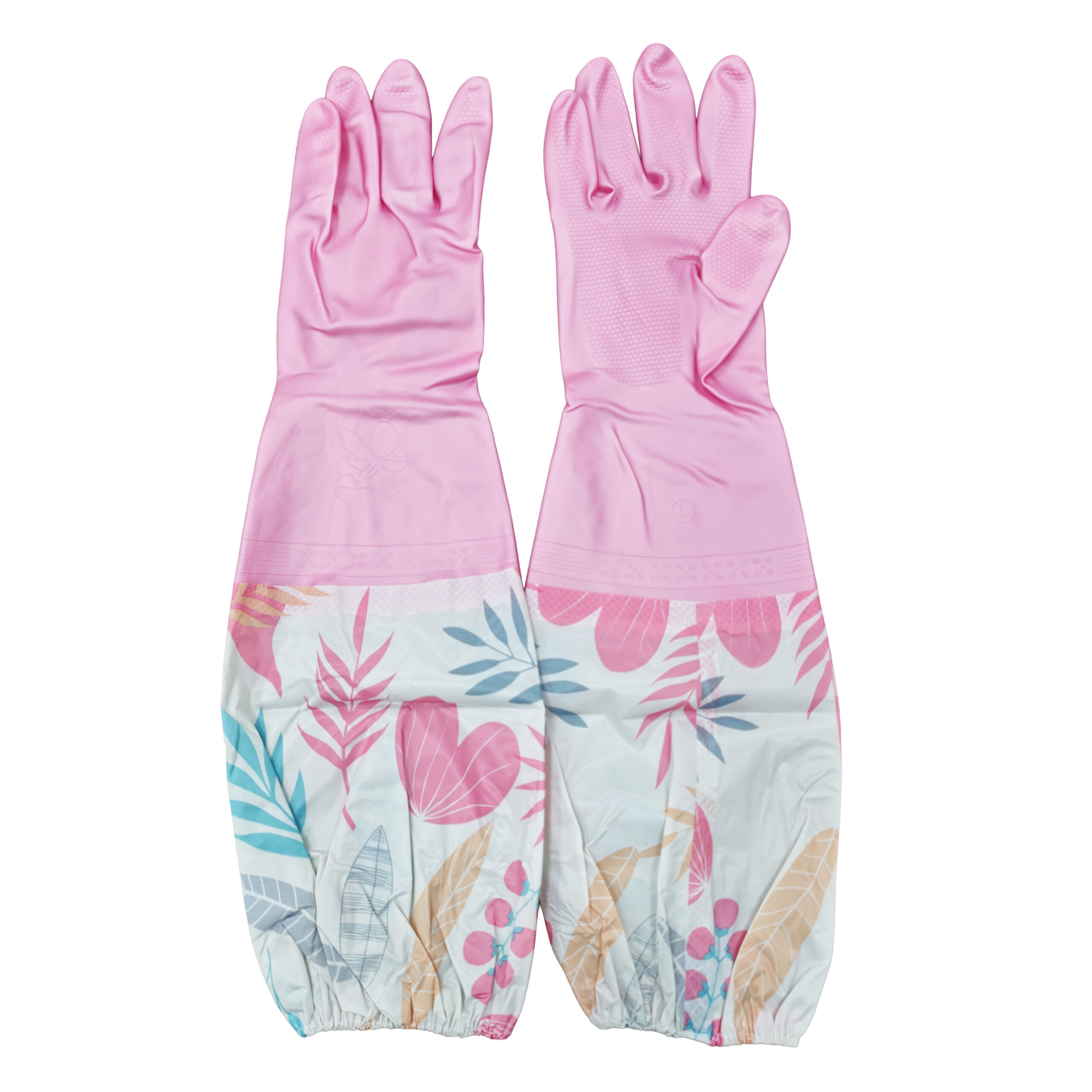
The first error in a rubber gloves price comparison happens before the spreadsheet opens. A supplier may quote a short, unlined latex glove while another offers a long-cuff, flock-lined design. Both may be called “household rubber gloves,” yet they serve different shelves, tasks and cost structures. Specify the intended use, material, length, size range, size mix, color, lining, palm texture, cuff construction and approximate pair weight or thickness. Ask suppliers to identify any assumptions or substitutions in their offer.
Analyze rubber gloves price per unit to ensure cost-effectiveness.
Each rubber gloves price breakdown should include all hidden fees.
When you inquire about rubber gloves price, ensure to ask for all details.
Understanding the rubber gloves price structure helps avoid surprises.
For a retail program, attach the proposed packaging drawing and define whether the sellable unit is one pair, two pairs, a hanging bag or another format. A carton of loose pairs and a carton of individually packed units cannot be compared by carton price alone. The Red Sunshine household glove portfolio shows that latex, nitrile, PVC and other categories include distinct models; this is a starting point for a model-specific RFQ, not evidence that all listed models have the same price or performance.
Package design influences rubber gloves price significantly.
Use a dated specification revision such as “Retail glove brief v2” for every supplier. Keep a change log. If a quoted alternative may be useful, compare it on a separate line instead of silently replacing the requested glove. This preserves a real choice between product constructions without pretending they are identical.
2. Convert every offer to one pricing unit
Rubber gloves price quotes may be per piece, pair, dozen pairs, inner pack, retail unit or carton. “Dozen” is particularly easy to misread if one party means twelve gloves and the other means twelve pairs. Write the numerator and denominator in the comparison sheet: currency per 12 pairs, currency per 100 retail packs, or currency per carton containing a stated number of pairs. Never infer a pair count from a photograph.
For each line, request the number of gloves per sellable pack, pairs per inner, inners per master carton and master cartons per shipment. Convert the quoted amount to price per pair only after checking the unit. For example, a hypothetical $6.00 per carton containing twelve pairs equals $0.50 per pair before any additional cost. A hypothetical $6.00 per carton containing ten pairs equals $0.60 per pair. The same printed carton price produces a 20% difference because the carton contents differ.
State the currency and quote validity period. When comparing currencies, record the exchange rate source and date used for internal planning, and run a sensitivity range rather than publishing one conversion as guaranteed. The commercial invoice and customs value can follow rules different from a buyer’s internal cost model; U.S. importers should review actual valuation with a customs professional. The U.S. International Trade Administration defines landed cost broadly as product price plus insurance, freight, tariffs, taxes and other fees.
3. Separate the glove, pack and carton costs
Retail buyers sometimes approve a glove sample and then compare quotes that use different packaging. Ask for a cost bridge rather than one blended number. A useful breakdown distinguishes glove production, pair insertion, printed bag or card, barcode label, inner packing, master carton and any display tray. Do not assume that a supplier can or will disclose proprietary manufacturing costs; the buyer needs a commercial breakdown sufficient to compare what is included and what remains outside the offer.
Packaging affects more than the invoice. A larger pack can change how many units fit in a carton and how many cartons fit in a shipment. Poorly matched carton dimensions can increase freight cost per sellable pair or waste warehouse space. A retail pack must also survive handling and carry the information required for its market and channel. Ask for a pack mockup and a carton specification before freezing the comparison.
For private-label programs, agree who owns artwork, who supplies final print files, whether color proofs are needed and what happens if artwork changes after approval. Do not accept an unpriced promise of “custom packaging” as equivalent to an approved, quoted production pack. GS1’s GTIN Management Standard explains that changes to an established product or packaging hierarchy may require a new product identifier; have the brand owner review the exact pack and case configuration rather than assuming an existing barcode can simply be reused.
4. Normalize trade terms and named places
Two offers with different delivery terms do not have the same cost boundary. A factory-gate price, an FCA price at a named location and a delivered price at the buyer’s warehouse cover different obligations. Ask each supplier to state the exact Incoterms rule, the named place or port, the year of the rules, and which charges are included. An isolated “FOB” or “CIF” label is insufficient for a meaningful comparison.
The International Chamber of Commerce states that Incoterms 2020 allocate costs, risks and obligations between buyer and seller. Its contract guidance also explains that the rules do not replace a full sale contract. Thus a buyer should not infer payment terms, product acceptance or remedies for defects from the trade term alone.
To normalize offers, identify the point at which each quoted price stops. Add only the costs that the buyer must bear after that point, using a freight forwarder’s current estimate for the same route, shipment size and service level. Keep insurance, terminal charges, local delivery and brokerage as distinct lines when they matter. Ask a broker to review import classification and duties for the specific product, origin and destination. Do not copy a duty percentage from a generic glove article into a purchase model.
5. Put one-time charges where they belong
A low pair quote can be paired with setup costs. Record tooling, molds, print plates, artwork, sampling, testing and pre-production approval charges separately. Distinguish refundable sample charges from nonrefundable setup fees and confirm who owns any physical tooling or artwork. Do not amortize a charge across a speculative annual forecast if the first order must carry it.
Use two views. The first-order view divides all first-order charges by the approved first-order quantity. The repeat-order view excludes charges genuinely paid once and includes any recurring maintenance or requalification cost. Label the assumptions. If a mold is shared between buyers or a color requires a separate run, ask how that affects the quote rather than making the spreadsheet guess.
Minimum order quantity also needs a precise unit. An MOQ of 10,000 may mean pairs per model, pairs per color, retail packs per artwork or total pairs across sizes. A buyer ordering three colors and four sizes should obtain a written matrix of allowed mixes, price tiers and minimums. Lower volume may be possible with standard models or stock colors, but this is a point to verify with the supplier, not a general promise. Quote validity and the production trigger should be recorded alongside MOQ.
Verify shipping terms that affect rubber gloves price before finalizing orders.
Remember that rubber gloves price can fluctuate based on demand and supply.
6. Compare cost per sellable pair
The decision unit for a retailer is often the pair that can actually be received, listed and sold. A planning model can express that as:
Inspecting the rubber gloves price against market trends ensures competitiveness.
Always validate the rubber gloves price with multiple suppliers.
Details in the rubber gloves price must be clear to prevent confusion.
Negotiating rubber gloves price is key to maximizing your budget.
Estimated landed cost per sellable pair = (product and packaging charges + buyer-paid logistics and import costs + allocated setup and inspection costs) / expected sellable pairs.
Expected sellable pairs are ordered pairs less the pairs reasonably expected to be unavailable for sale because of damage, missing packaging, incorrect size or other defects. A buyer should use its own observed rate from comparable orders or a clearly labeled scenario. Do not claim an industry defect rate without evidence. If no reliable history exists, show several scenario rows instead of choosing a flattering single assumption.
| Hypothetical comparison | Offer A | Offer B |
|---|---|---|
| Ordered retail pairs | 20,000 | 20,000 |
| Glove and approved pack cost | $10,000 | $10,600 |
| Buyer-paid freight and handling | $2,000 | $1,600 |
| Setup and inspection | $800 | $300 |
| Total modeled cost | $12,800 | $12,500 |
| Assumed unsellable pairs | 400 | 200 |
| Modeled sellable pairs | 19,600 | 19,800 |
| Modeled cost per sellable pair | $0.653 | $0.631 |
All numbers in this table are invented only to demonstrate the calculation. They are not a current glove price, defect forecast, tariff, freight quote or claim about any supplier. In this example, Offer B has the higher glove-and-pack line but the lower modeled cost per sellable pair. Change the freight, setup or loss assumptions and the ranking may reverse. Keep the underlying cells visible so commercial teams can test that sensitivity.
7. Check quantity, carton fill and shipping mode together
A price break may look attractive until the added quantity forces a different shipping arrangement or creates excess stock. Request carton dimensions, gross weight, pairs per carton and the proposed loading pattern. A forwarder can estimate shipment-level freight using the actual route and available service. Convert that estimate to cost per pair at the quantity being compared. Do not assume a full container is automatically cheaper per sellable pair if inventory turns slowly or the product has seasonal packaging.
Check whether a mixed size or color order qualifies for the quoted tier. One carton may be a single SKU while another is mixed. Confirm the size ratio, carton labels and pallet or container assumptions. Receiving errors caused by unclear SKU or carton marking can make a cheap shipment expensive to sort, but any modeled rework cost should be based on the buyer’s own experience or stated as a scenario.
8. Price the evidence and approval work
Inspection, testing and documentation are not decorative add-ons. They are part of deciding whether the product delivered can be accepted in the destination market and sales channel. Ask what is already included in the quote: pre-production sample, approved reference sample, in-process checks, final inspection, batch identification, test reports for the exact model and any requested third-party inspection. The answer may vary by model and contract. Do not assume a certificate covers every glove category.
For products sold with protective or food-contact claims, determine the applicable requirements for the actual model, use and destination with qualified advisers. This guide does not state that a household cleaning glove is certified for those uses. The buyer should request model-specific evidence before placing such a claim on packaging. A supplier’s general marketing page is not a substitute for a test report or approved declaration.
9. Request a quote that your teams can audit
| Field to request | Why the buyer needs it |
|---|---|
| Model, material and revision | Prevent a quote for one glove being treated as another. |
| Size and color mix | Verify price tier and production minimum by SKU. |
| Pair or pack unit | Avoid twelve gloves being confused with twelve pairs. |
| Pack and carton configuration | Calculate sellable units and freight loading. |
| Unit price, currency and validity | Compare offers on the same commercial date. |
| Setup and sampling charges | Separate first-order and repeat-order economics. |
| Trade term and named place | Define the cost boundary for landed-cost modeling. |
| Production trigger and shipment window | Plan launch timing without assuming an unstated lead time. |
| Inspection and documents | Identify approval tasks and buyer-paid costs. |
| Allowed substitutions and change control | Keep the quoted product aligned with the approved sample. |
When requesting a model-specific quotation from Red Sunshine, send the destination market, intended use, preferred model or physical sample, size mix, quantity, pack concept, target shipment window and requested trade term. The company site offers a household-glove inquiry route; actual MOQ, price, documentation and timing still require confirmation for the proposed specification. A useful supplier response should make differences visible, even when that makes the initial comparison less tidy.
Frequently asked questions
Where can I buy gloves wholesale?
The rubber gloves price should always reflect the quality you expect.
This wording appeared in the AnswerThePublic People Also Ask results for rubber gloves supplier. For reusable household gloves specifically, compare manufacturers, established distributors and qualified B2B sourcing channels. Ask each candidate for a model-specific quotation, sample and pack specification. The Red Sunshine household glove portfolio and inquiry page provide a direct route for a reusable-glove RFQ; confirm commercial terms for the exact model.
What determines a reusable rubber gloves price for a wholesale order?
The specified glove, size and color mix, pack, quantity, one-time customization, agreed delivery term and destination costs all matter. Compare the same sellable unit and ask suppliers to state what is included. A public retail price is not a reliable wholesale quotation for a defined model.
How do I compare a price per carton with a price per pair?
Confirm the exact number of pairs and retail packs in the carton, then divide the carton price by those counts. Add buyer-paid packing or logistics only once. If carton fill or pack contents are unclear, the offers are not yet comparable.
Does a lower glove unit price always mean a cheaper import order?
No. Packaging, freight, setup, inspection, import charges and unsellable units can change total cost. Compare modeled cost per sellable pair and test several assumptions before deciding.
Should I use FOB, FCA or a delivered price to compare suppliers?
Use a consistent cost boundary. Record each offer’s Incoterms 2020 rule and named place, then add the costs your company bears after that point. Ask your freight forwarder which term suits the actual transport arrangement.
Can I publish the example price table as a market benchmark?
No. The example is hypothetical arithmetic. Obtain live, model-specific quotations and route-specific freight and import advice before making a purchasing decision.
What information should I send to request a reliable quote?
Send the use case, destination, material or reference model, sizes and ratio, length, lining, texture, cuff, colors, pack and carton requirements, quantity, target dates, documentation needs and desired trade term. Ask the supplier to list every assumption or substitution.
Final purchasing decision
The most useful rubber gloves price is an auditable cost for the product your teams have actually approved. Establish the glove and retail unit first, normalize the quoted units and delivery boundary, then model the costs between shipment and sale. Keep uncertain rates as scenarios and verify the final commercial terms in the quotation and purchase order. That discipline allows a buyer to discuss price without losing sight of specification, shelf readiness or repeat-order control.
Sources cited in the article
- International Chamber of Commerce, Incoterms 2020, official explanation, accessed 2026-11-09.
- ICC, Incoterms and commercial contracts, official guidance, accessed 2026-11-09.
- U.S. International Trade Administration, Determine Total Export Price, official guidance, accessed 2026-11-09.
- U.S. International Trade Administration, Pro Forma Invoice, official guidance, accessed 2026-11-09.
- GS1 GTIN Management Standard, release 1.1, September 2023, accessed 2026-11-09.