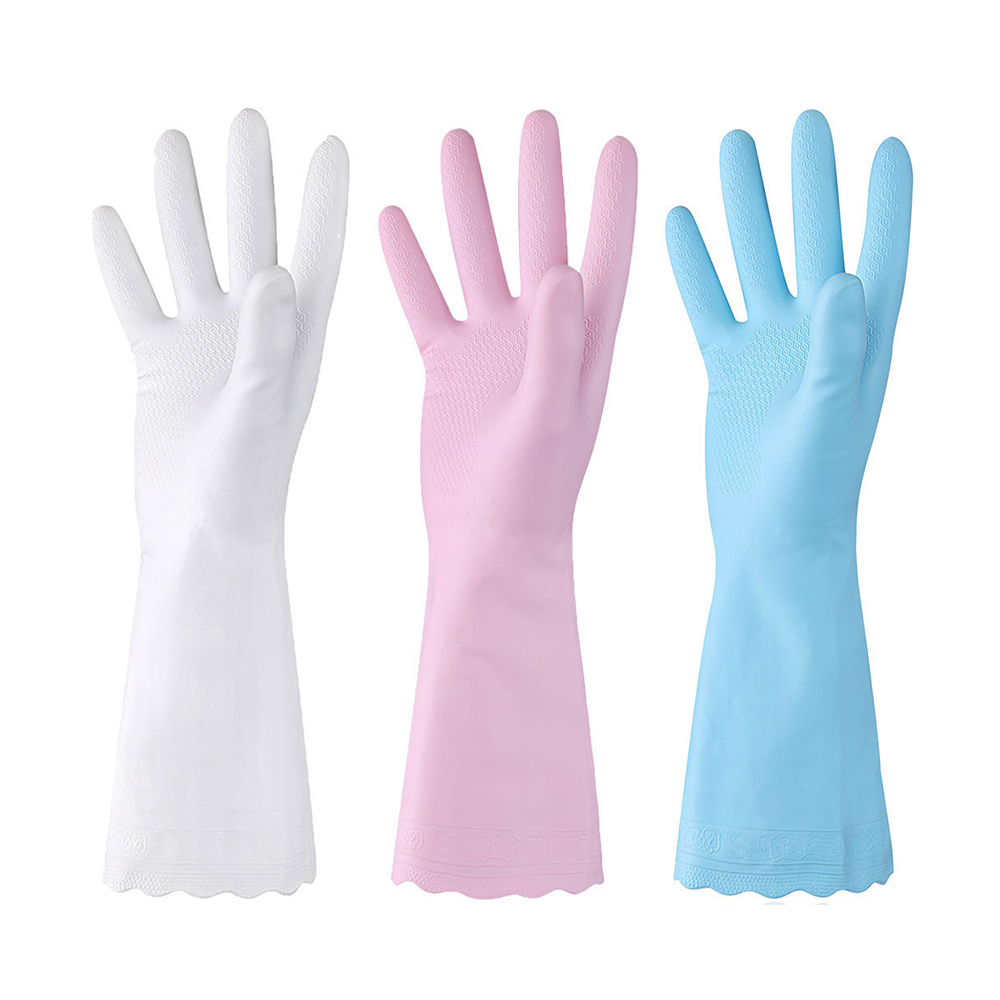
Direct answer: To import bulk rubber gloves consistently, approve one clear product specification, a physical reference sample, a quote by SKU, retail packaging, a named delivery term and a receiving plan before production. Ask the supplier to tie each document and shipment lot to that approved version. A low pair price alone does not tell you whether the order can be sold as planned.
Why a bulk order needs more than a low pair price
A buyer can receive three quotations for “household rubber gloves” and still have nothing comparable. One may cover a basic unlined pair in a plain bag, another a lined pair with printed retail packaging, and a third a mixed assortment with a different cuff. The number at the bottom of each quotation reflects a different product. That is why sourcing bulk rubber gloves starts with defining the sellable unit, not asking for the lowest price.
For a supermarket buying bulk rubber gloves, the sellable unit is more than the glove. It includes the size and color the shopper expects, the pack count, barcode, language, approved claims and the carton arriving at the warehouse. A fault in any one of those parts can stop the item from going onto a shelf. A purchasing team therefore needs a common record that product, packaging, logistics and quality staff can read.
This guide focuses on reusable household and suitable industrial cleaning gloves made from latex, nitrile or PVC. It does not treat disposable examination gloves, leather gloves or knitted-base coated work gloves as interchangeable with that range. The seven controls below are especially useful for a first order from China, but they also make repeat orders easier to check.
1. Define the task and the exact SKU before asking for a quote
For bulk rubber gloves, write down who will use the glove and what they will do with it. “Kitchen cleaning” is clearer than “multipurpose”; “washing dishes with ordinary detergent” is clearer still. If a professional buyer expects contact with a particular cleaner or industrial substance, identify that substance and its use conditions. A material name by itself does not establish chemical suitability. This distinction protects both the user and the credibility of the pack claim.
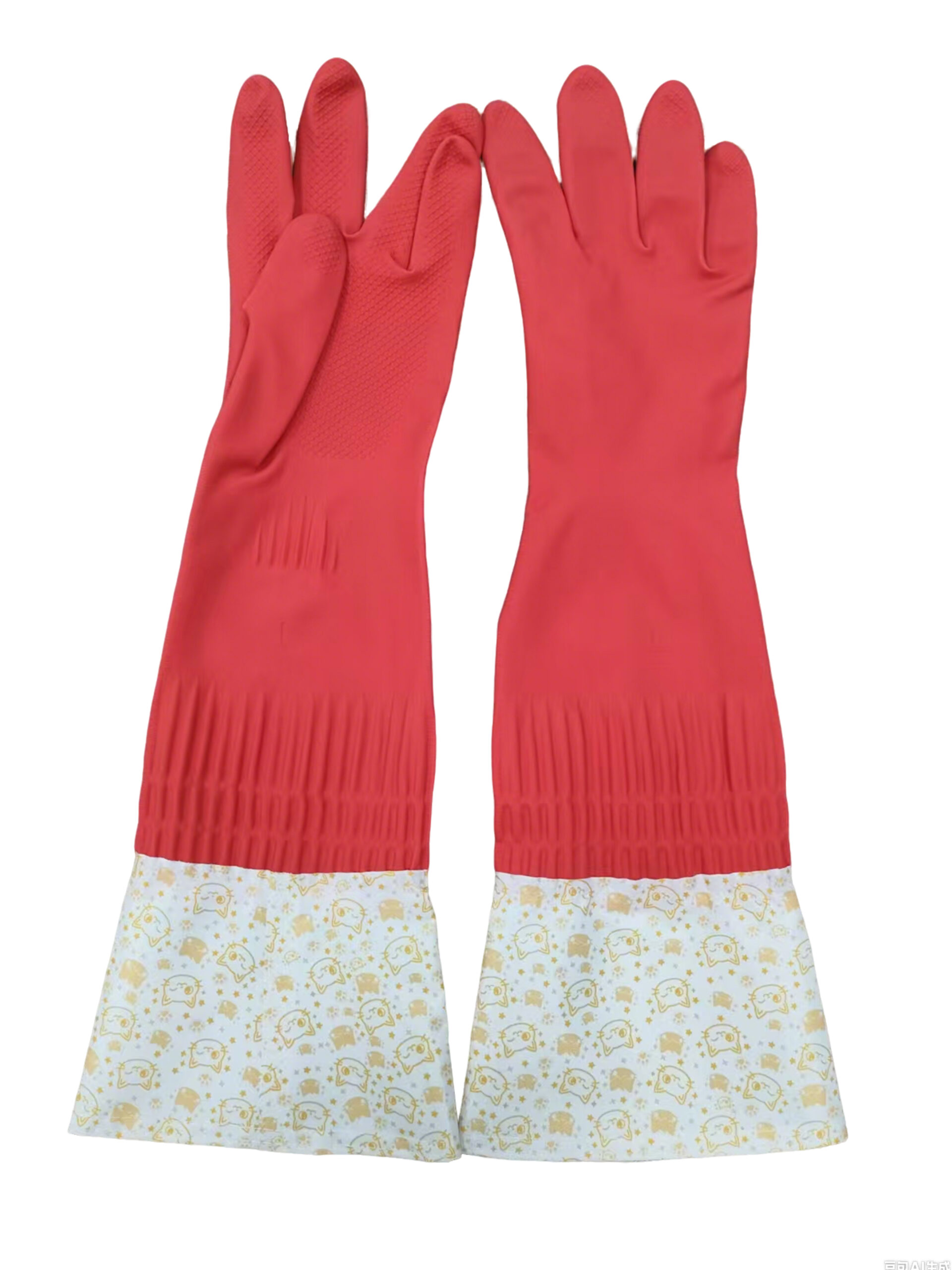
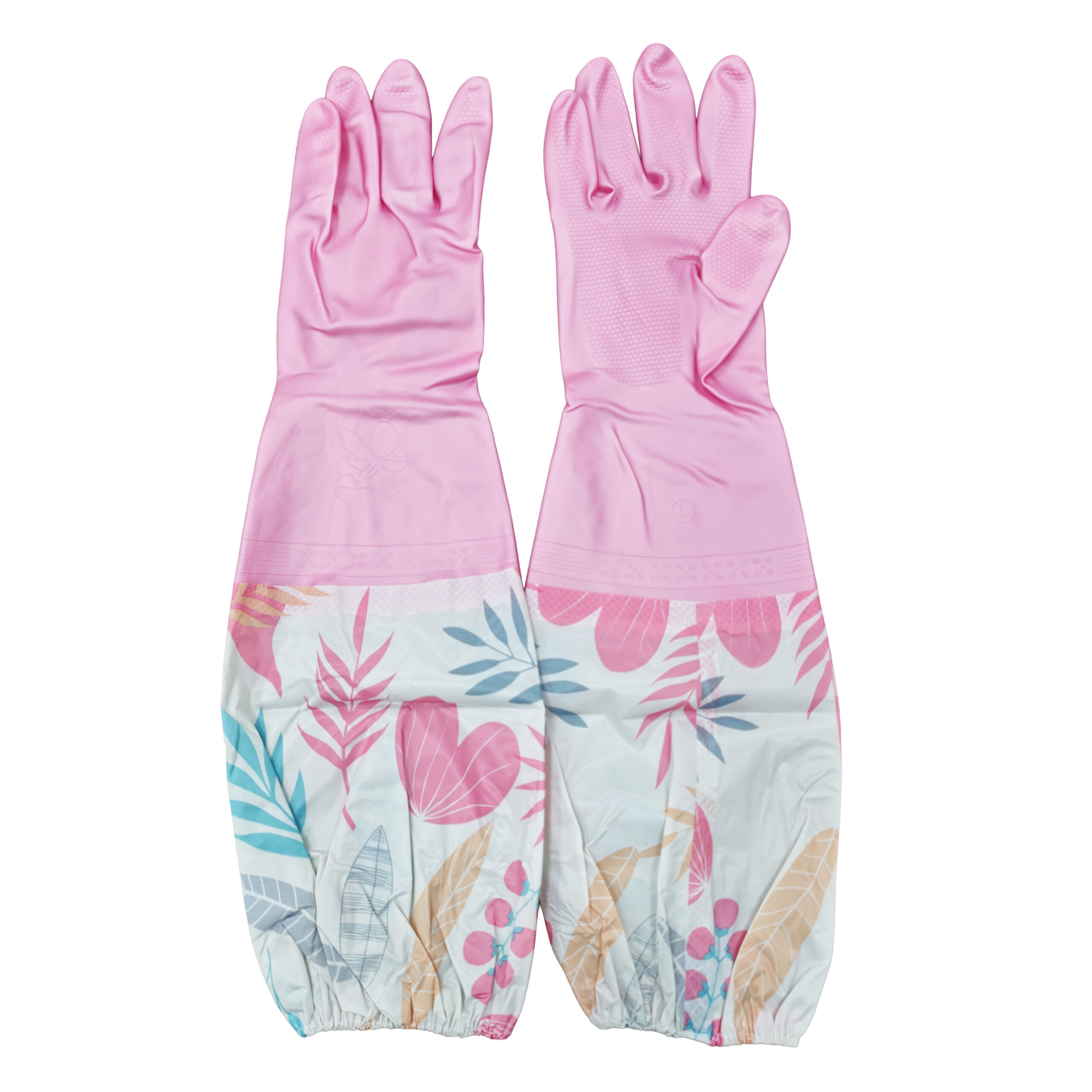
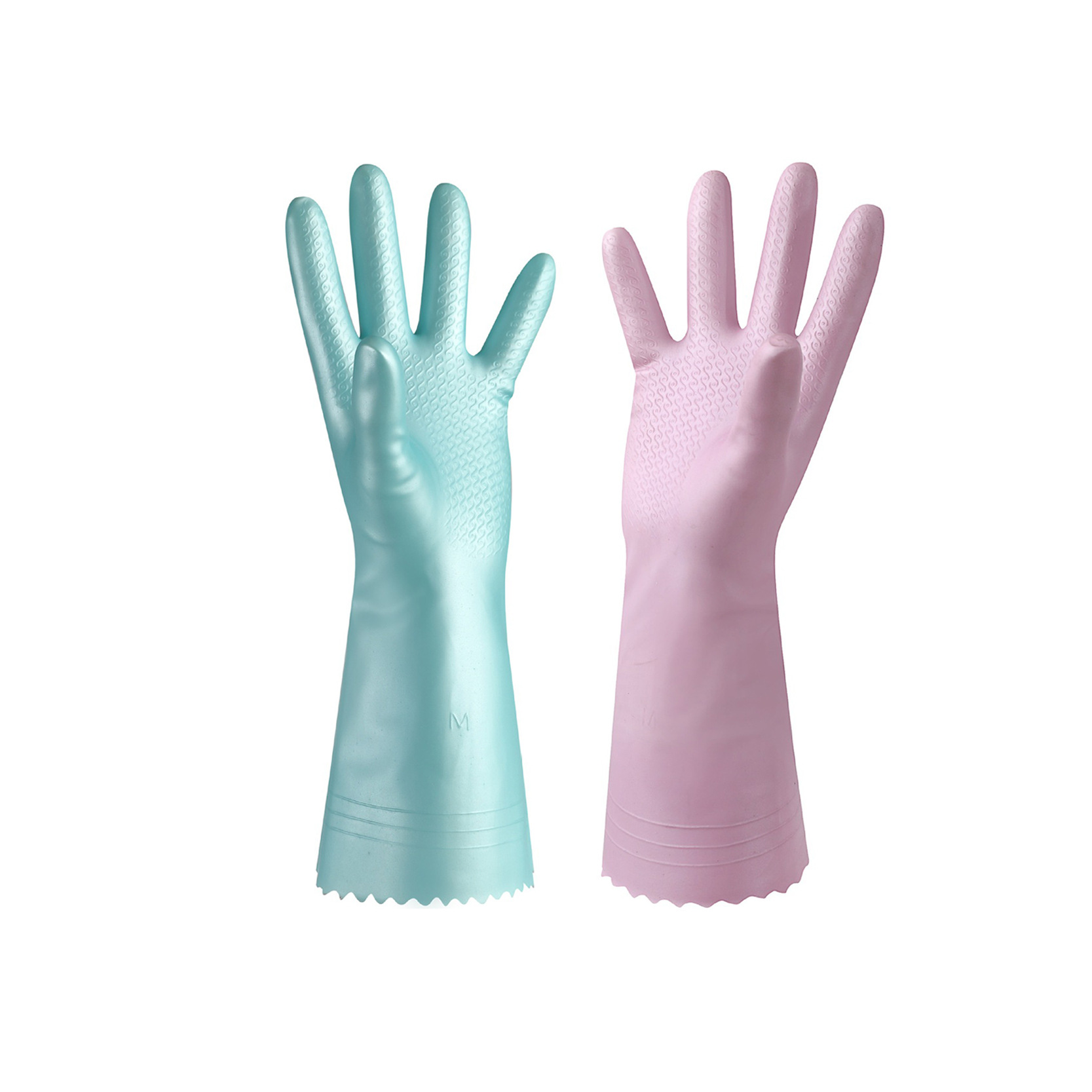
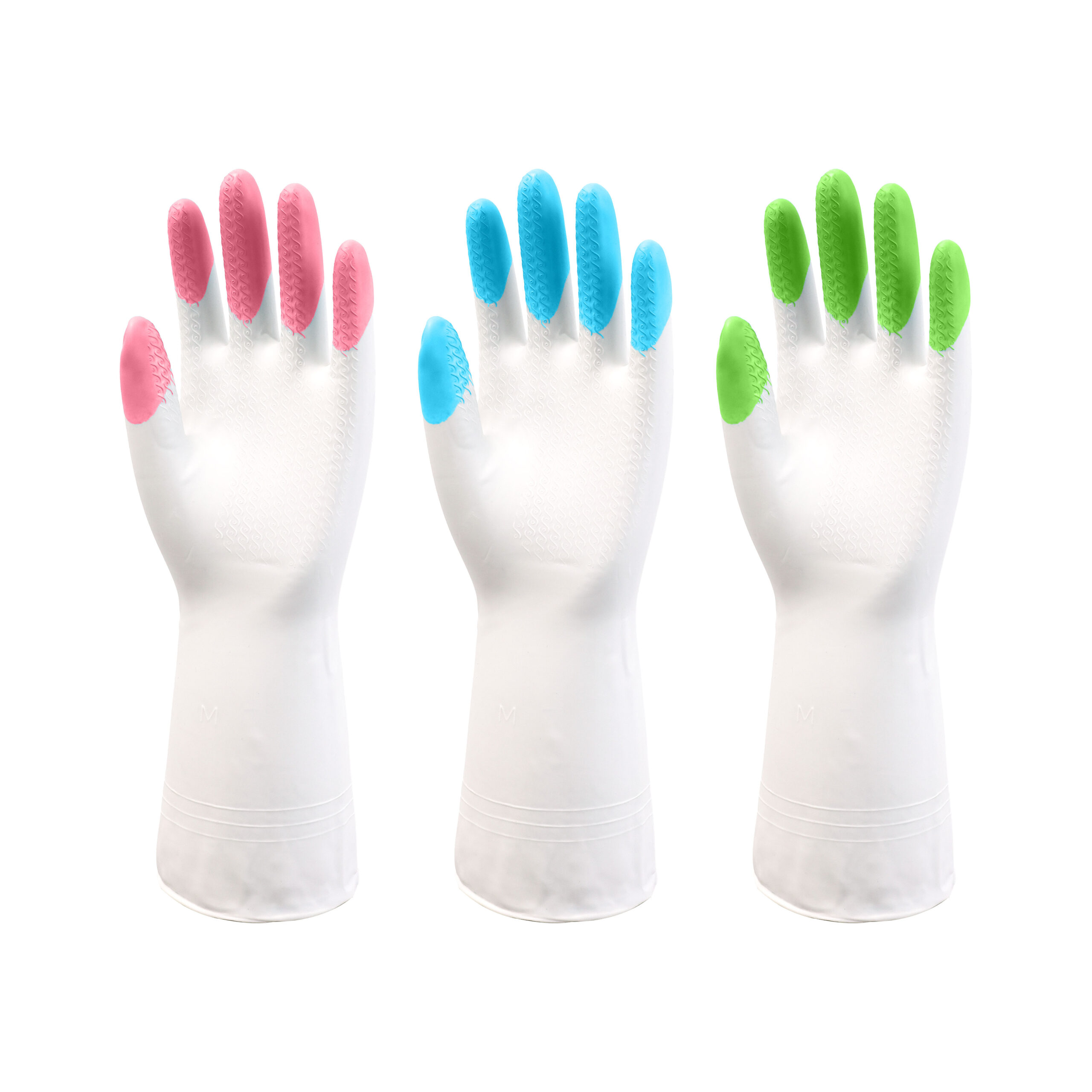
Then turn the task into a short SKU description. Include material, model or reference image, intended length, size range, color, palm and finger texture, interior finish, cuff construction, pair count and pack type. State whether any hanging loop is present and whether it is visible or concealed. For bulk rubber gloves with a private-label pack, specify the artwork language and the exact wording planned for the front panel. The supplier should confirm which features belong to an existing model and which require a modification.
Keep the first range manageable. If there are three colors, three sizes and two pack formats, that can create many combinations for artwork, barcodes and sample approval. The team may still choose that range, but it should make the decision deliberately. Where possible, approve one construction first and then add only the variations that have a clear shelf or customer need. The word “bulk” describes quantity; it does not make unlike variants one SKU.
The destination market belongs in the brief from the start. Label language, importer details, product claims and applicable rules depend on where the item is sold and how it is presented. If you plan to sell the same glove in several countries, ask the relevant market specialist to review each artwork version. Do not copy a food-contact, chemical-resistance or allergy claim from another model or market.
2. Make the specification and approved sample one controlled reference
For bulk rubber gloves, ask for a specification sheet that identifies the finished glove, not just the raw material. Record the model code and revision, material, size measurements and tolerances, pair weight or thickness measurement where applicable, texture location, lining, cuff, color reference, print and packaging. A photograph should show both palm and back, all five digits, and the full cuff. If the product has a colored bound edge or a concealed hanging loop, show the actual construction rather than an edited illustration.
Evaluate samples in the task promised on the pack. Have several intended users try the size range; check thumb placement, fingertip room, ease of putting the gloves on, wet grip and cuff comfort. Photograph both sides in the same orientation. A showroom sample is useful, but the approved reference should resemble production. When buying bulk rubber gloves, ask whether the trial pair uses the same material formulation, size mold, finish and pack that will appear on the purchase order.
Approve a physical “golden sample” and store it with its date and version. List any accepted differences, such as a shade tolerance or a small pack change, in writing. If the supplier later proposes a different colorant, liner, print, cuff or mold, decide whether new samples or evidence are needed before production continues. An email saying “same as last time” is a weak control unless the referenced version is identified.
The reason is practical: procurement may compare price, merchandising may approve a photograph, and warehouse staff may inspect cartons months later. A shared sample and specification let those teams check the same product. For a reusable glove, consistency of the left and right hand, palm and back orientation, texture and cuff matters as much as the material label.
3. Ask every supplier to price the same sellable unit
Send one request for quotation to each candidate supplier. State the forecast quantity by SKU, size split, color split, packaging, destination and target shipment window. Ask for the quoted price unit: per pair, per retail pack or per carton. A comparison of bulk rubber gloves is misleading if one price is for an unprinted pair and another includes a retail display bag, barcode and carton marks.
| RFQ line | What the buyer should request |
|---|---|
| Product | Exact model and revision; sizes, colors, cuff, lining and texture. |
| Sellable pack | Pairs per pack, artwork, barcode, label language and pack dimensions. |
| Outer packing | Packs per carton, carton dimensions, net/gross weight and marks. |
| Minimums | MOQ by model, color, size mix and packaging; any shared-volume rule. |
| One-time charges | Mold, artwork, printing plate or sampling charges, where applicable. |
| Delivery | Named Incoterms® rule and named place, production trigger and shipment window. |
| Evidence | Sample revision, inspection basis and documents for the intended claim. |
The quote should distinguish confirmed terms from assumptions. Ask whether a minimum quantity applies per color, per mold or per total order, and whether a trial run can use stock colors or existing packaging. Do not publish an MOQ drawn from a generic website FAQ as though it applies to a custom SKU. Model, color, size mix and print can change the actual minimum. The same applies to lead time: the clock may start after deposit, final artwork or material confirmation.
For bulk rubber gloves, use landed cost to compare alternatives, but keep the calculation transparent. Add the quoted product and packing cost to freight, insurance where relevant, duties and taxes, broker charges, inspection and local handling. Do not insert a fixed tariff rate into a general guide: classification, origin, destination and current measures determine the result. The European Commission’s Access2Markets guidance directs EU importers to product-specific tariffs and requirements; U.S. buyers should check classification and entry responsibilities with U.S. Customs and Border Protection.
4. Agree who handles freight, risk and import clearance
“Shipping included” is not a complete trade term. Put the chosen Incoterms® 2020 rule and its named place in the quotation and purchase order. The International Chamber of Commerce explains that these rules allocate delivery obligations, costs and risk between seller and buyer. They do not replace a complete sales contract or decide every matter that may arise after a defect is found. Confirm who arranges the main carriage, insurance if needed, export formalities and import clearance.
For bulk rubber gloves entering the United States, the importer of record remains responsible for reasonable care in classification, valuation and entry information even when a licensed broker is used, according to CBP broker guidance. The rules differ by destination. Before ordering, identify the legal importing entity, its broker or adviser, the expected product description and the documents that party needs. A supplier’s broad product title is rarely enough for a customs review.
When classifying bulk rubber gloves, do not guess a tariff code from a competitor listing. Reusable household gloves, disposable medical gloves and other protective gloves can have different constructions and uses. Send your broker the actual material, structure, intended use, product photographs and country of origin, then confirm the current classification for the destination market. The supplier can provide evidence and shipment documents, but the buyer’s import team should approve the declaration it will rely on.
Also agree what “ready to ship” means. It might mean production has ended, goods have passed an agreed inspection, retail packs are sealed, or cartons are at the named handover point. Those are different milestones. Write the inspection, document and booking sequence into the order calendar. A buyer planning a store launch should work backward from the warehouse arrival date, allowing for freight and customs uncertainty rather than treating the supplier’s production estimate as a guaranteed shelf date.
5. Approve retail packaging and the shipping carton together
The pack for bulk rubber gloves shown to a shopper should match the pair inside it. Check size name, color, pair count, intended use, care instructions, warnings, importer information, barcode and any claim on both front and back panels. Make sure the photograph shows the actual glove structure. If the glove is reusable for cleaning, a food-preparation scene may imply a use that has not been evidenced. Marketing and compliance need to approve the same final file.
For bulk rubber gloves, carton packing affects more than freight. A case that holds the wrong size ratio can create unusable stock at a distribution center. A carton label that omits SKU, size, color, quantity or lot reference slows receiving and traceability. Ask for a packing mockup and a carton-mark example before printing. Use a barcode scan test if the retailer supplies item numbers. The approved pack should carry a version identifier that appears on the purchase order.
Ask for carton dimensions and gross weight based on the final retail pack, not an earlier loose-pair estimate. If the supplier gives a proposed pallet or container loading plan, check the assumptions with the freight provider: pallet type, stacking limit, mixed SKUs and whether cartons will be palletized or floor loaded. A theoretical container count is not a promise until packaging and loading arrangements are confirmed. The existing carton-packing guide on our sister site covers packing detail; this article uses it only as one part of the order-control sequence.
6. Set inspection and change rules before production
For bulk rubber gloves, agree what the incoming or pre-shipment inspection will compare: approved sample, size measurements, visible finish, pair completeness, cuff and texture, packaging, carton marks and lot identification. Decide which defects make a pair unsellable and how disagreements will be resolved. The inspection plan should identify the lot, sampling method and responsible party; a general promise of “strict quality control” is not a substitute for agreed criteria.
When ordering bulk rubber gloves, retain the approved sample and final artwork near the inspection record. Check several cartons and sizes, not only a display pair. For a multi-size range, inspect the first and last sizes as well as the middle. If a complaint later reports a leak, a wrong-size pack or a missing hanging loop, the buyer should be able to identify the lot and compare it with the approved version. Do not promise a zero-defect shipment; define a practical acceptance and remedy process.
Put changes in writing. A color substitution, different lining, new artwork language or revised carton quantity can affect price, evidence and delivery. Require a change request that names the affected SKUs, reason, new sample or proof needed, cost and timing impact, and who approves it. If the change is rejected, the purchase order should still point to the previous approved version. This simple version control can prevent marketing, supplier and importer from working from different files.
7. Close the loop at receipt and plan the reorder
When bulk rubber gloves arrive, compare received cartons against the packing list and purchase order. Verify carton quantity, SKU, size and color marks, lot codes and visible transport damage. Record shortages and discrepancies promptly under the agreed commercial process. Then sample the sellable packs and gloves using the receiving plan. A shipment can clear customs and still contain the wrong retail mix, so customs release is not the end of product acceptance.
For repeat orders of bulk rubber gloves, ask the supplier to confirm whether the model, formulation, color standard, mold, cuff, print, packaging and approved claims are unchanged. Do not assume an old test or photo covers a revised product. Track returns and customer complaints by SKU and lot; they can reveal a fit or pack issue that was not visible in a short sample trial. Use that evidence to adjust the next order rather than silently changing the specification.
Red Sunshine’s household glove portfolio shows reusable latex, nitrile and PVC categories, while its OEM/private-label page describes customization discussions. Its office is in Guangzhou and its original production base is in Foshan, as stated in the company’s current sourcing guide. A buyer should still request a current model-specific quotation, sample and documents; these pages do not set terms for every bulk order.
A seven-check purchase-order summary
| Check | Sign-off evidence | Owner to identify |
|---|---|---|
| 1. Use and SKU | Dated product brief and destination market | Category or product buyer |
| 2. Product reference | Approved specification and physical sample | Product and quality teams |
| 3. Commercial offer | Comparable quote by SKU and written minimums | Procurement |
| 4. Import route | Named trade term, broker review and document list | Logistics/import team |
| 5. Packs and cartons | Final artwork, barcode, pack and carton mockups | Brand and warehouse teams |
| 6. Inspection/change | Acceptance plan and revision procedure | Quality and supplier |
| 7. Receipt/reorder | Receiving record and lot feedback | Warehouse and buyer |
The table is a workflow, not a claim that every shipment needs the same documents or tests. The destination market, product use and buyer’s internal policy determine the final approval route. If two teams disagree about which version is approved, stop and resolve the version before releasing production.
Frequently asked questions
What information should I send when I buy bulk rubber gloves?
Send the intended use, destination country, material, model or reference photo, sizes and quantities by SKU, cuff and lining requirements, color, texture, retail pack, expected order volume and target shipping window. Ask for a quote against that brief rather than a generic price list.
Is there one MOQ for all reusable rubber gloves?
No. Minimums can vary with model, color, size mix, print, mold, packaging and production schedule. Obtain the current MOQ in writing for the exact configuration and ask which parts of the order may be combined.
Can I use a supplier’s certificate for every glove in the range?
Do not assume that. Check the company, model or family, material, tested sample, scope, date and intended market. A document for a different glove or use may not support a claim on your chosen SKU.
Which Incoterms® rule is best for my first import?
There is no universal best rule. Choose one after deciding who can manage transport, insurance, clearance and risk at the named place. Compare the complete landed-cost and responsibility picture, not just the quoted pair price. The ICC’s official rules explain the allocation.
Does a thicker glove always last longer?
No simple thickness number predicts the service life of every reusable glove. Fit, formulation, thickness distribution, grip, task and care matter. Test the exact sample in the intended work and define an observable replacement criterion.
What should happen if the production glove differs from my sample?
Record the difference, affected SKUs and lots, and its effect on use, claims, appearance, price and delivery. Obtain buyer approval for a revised sample where needed; otherwise require the order to match the existing approved version under the agreed remedy process.
How do I prepare a second order without starting over?
Reference the approved specification and artwork revisions in the new purchase order. Confirm that the model, material, color, mold, pack and claims have not changed. Review complaints and receiving data before deciding the new quantity and size mix.
Conclusion
The best bulk rubber gloves order is the one that fits a defined customer task and arrives as the approved SKU, with the expected pack and evidence. Put the sample, quotation, artwork, shipping responsibilities and inspection criteria under one version-controlled order. That takes more work than comparing pair prices, but it gives retail and distribution teams a clearer basis for a repeatable purchase.