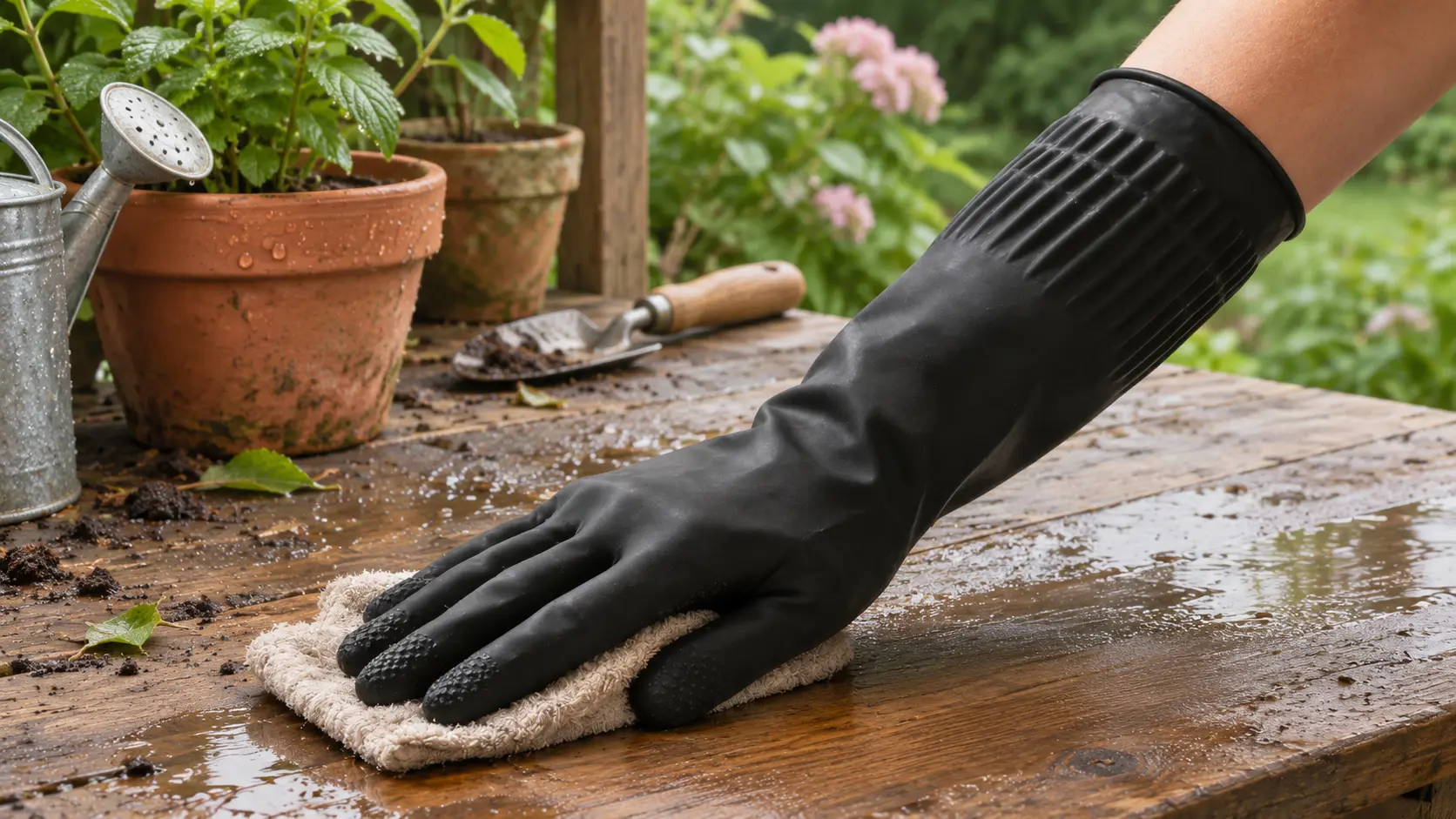
A garden retailer can stock a glove that looks durable in a photograph yet disappoints as soon as a customer handles wet compost or rinses a muddy pot. The opposite mistake is to reject a reusable rubber glove because it is not a thorn-proof pruning glove. Those are different jobs. For a buyer planning a garden-center range, the useful question is narrower: does this exact pair work for the damp tasks named on the pack, and can the same specification be supplied again?
Direct answer: Gardening rubber gloves can be a sensible addition to a wet-work assortment when the buyer approves a specific reusable model for muddy soil, damp pots and similar low-hazard chores. Check fit, cuff, grip, material, lining, sample consistency and the finished pack. Do not imply thorn, pesticide or chemical protection without the evidence required for that exact use and market.
The phrase gardening rubber gloves covers several products in search results: full-dipped household gloves, rubber-coated knit work gloves, thin disposable gloves, and gauntlets for rough vegetation. A distributor who sends a supplier only that phrase may receive quotations for different categories. This guide is about full-dipped, reusable household-style latex or nitrile gloves considered for wet garden care, with a purchase process suitable for retail and private-label buyers. It is not a recommendation to replace cut-resistant, thorn-resistant or pesticide-specific PPE.
1. Define the wet task before selecting the glove
Start with what the shopper will actually do with gardening rubber gloves. An example wet-work brief might include repotting damp plants, moving small muddy containers, rinsing non-sharp tools, wiping trays or tidying a moist potting bench. List the expected duration, water exposure, soil texture and whether the work is done indoors or outside. Then list the tasks that the proposed SKU will not claim: handling roses or brambles, broken glass, powered equipment or pesticide concentrates. This boundary makes the shelf message more credible and gives the supplier a fair basis for a sample.
UC Marin Master Gardeners describes rubber gloves as useful in wet or muddy situations and also notes that they do not breathe well. Its discussion distinguishes thorny work, which calls for a different construction. The guidance is about glove categories; it is not a test result for any Red Sunshine model. Similarly, a UC garden-task chart puts rubberized or lined gloves in a wet-soil category and suggests other constructions for rocks and thorny material.
A practical assortment may therefore place gardening rubber gloves alongside, rather than in place of, a separate thorn or general garden-work glove. If the buying team wants one universal SKU, it should test that proposition instead of assuming it. The same problem arises when a product page says “gardening” without explaining which garden tasks it means. Ask the supplier to identify the intended task on a current model sheet, then decide whether the wording is suitable for your market and channel.
Where the claim should stop
Do not write “thorn-proof,” “cut-proof,” “pesticide-safe” or “chemical-resistant” on the pack merely because the material is rubber. Sharp plants can puncture or tear an ordinary cleaning glove. For pesticides, US EPA applicator guidance says the suitable glove material depends on the particular product label and formulation. The buyer would need the actual pesticide label, glove specification and relevant evidence before making a compatibility claim. An ordinary wet-garden SKU should avoid that promise unless the project is deliberately developed and documented for it.
2. Confirm the actual gardening rubber gloves construction and model
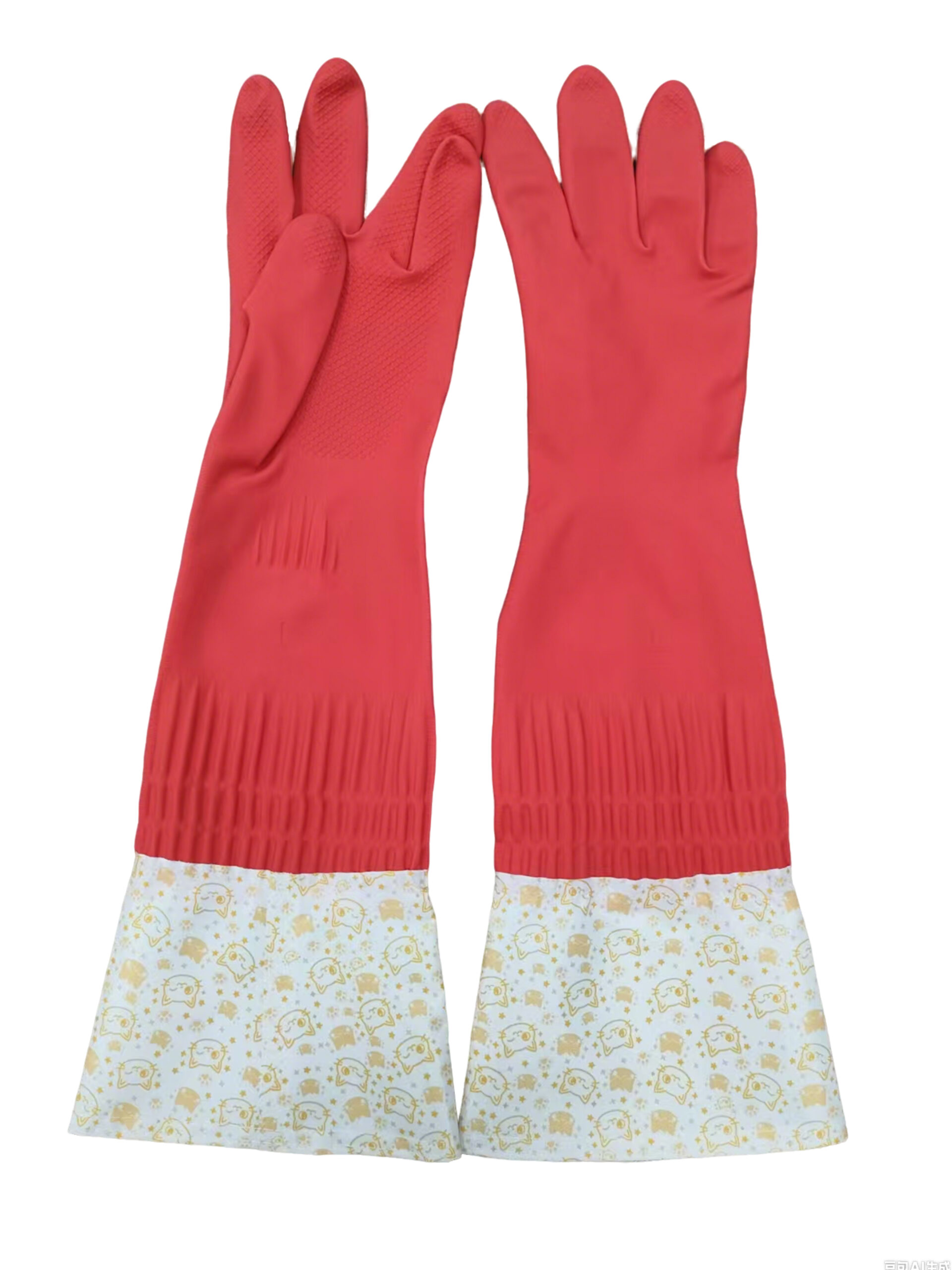
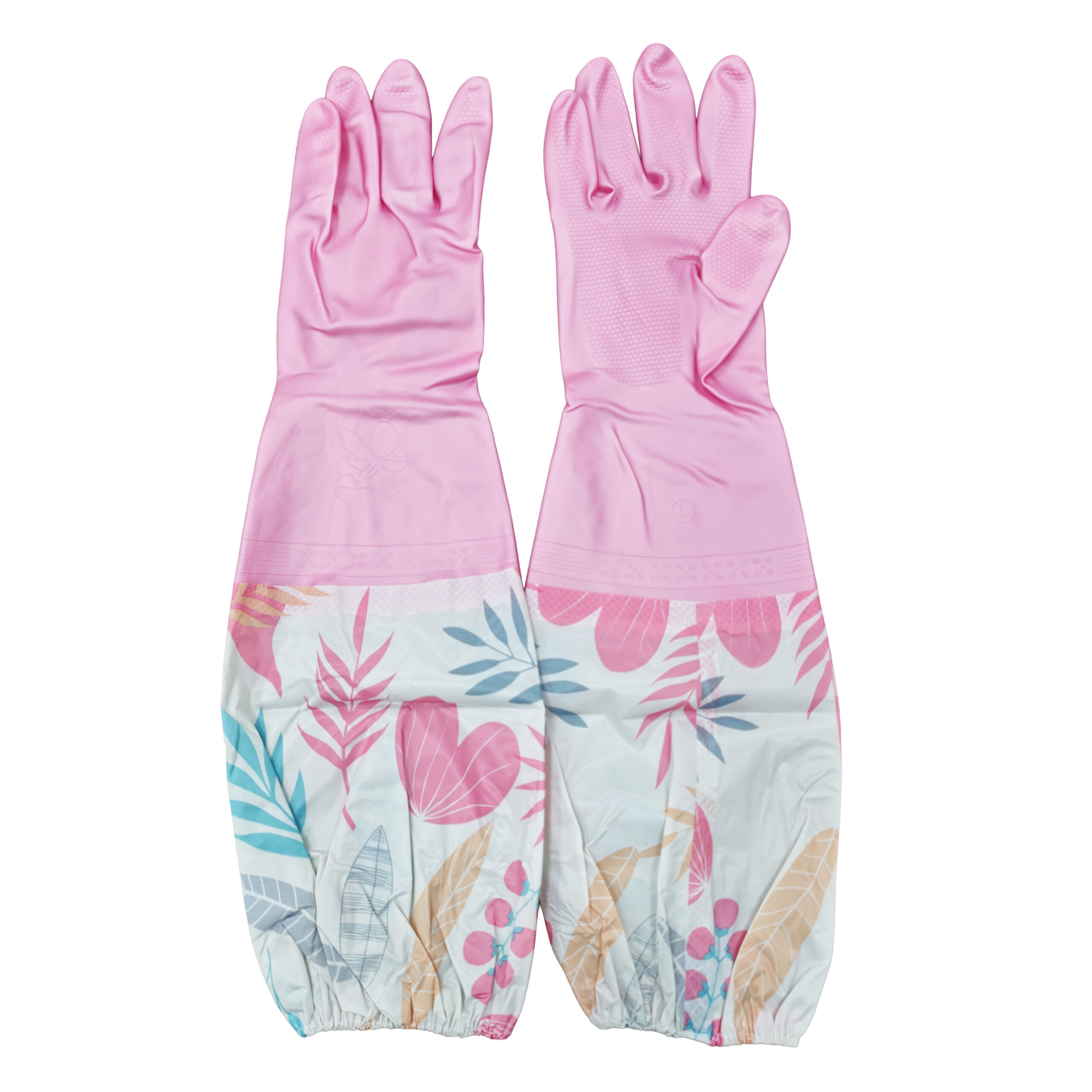
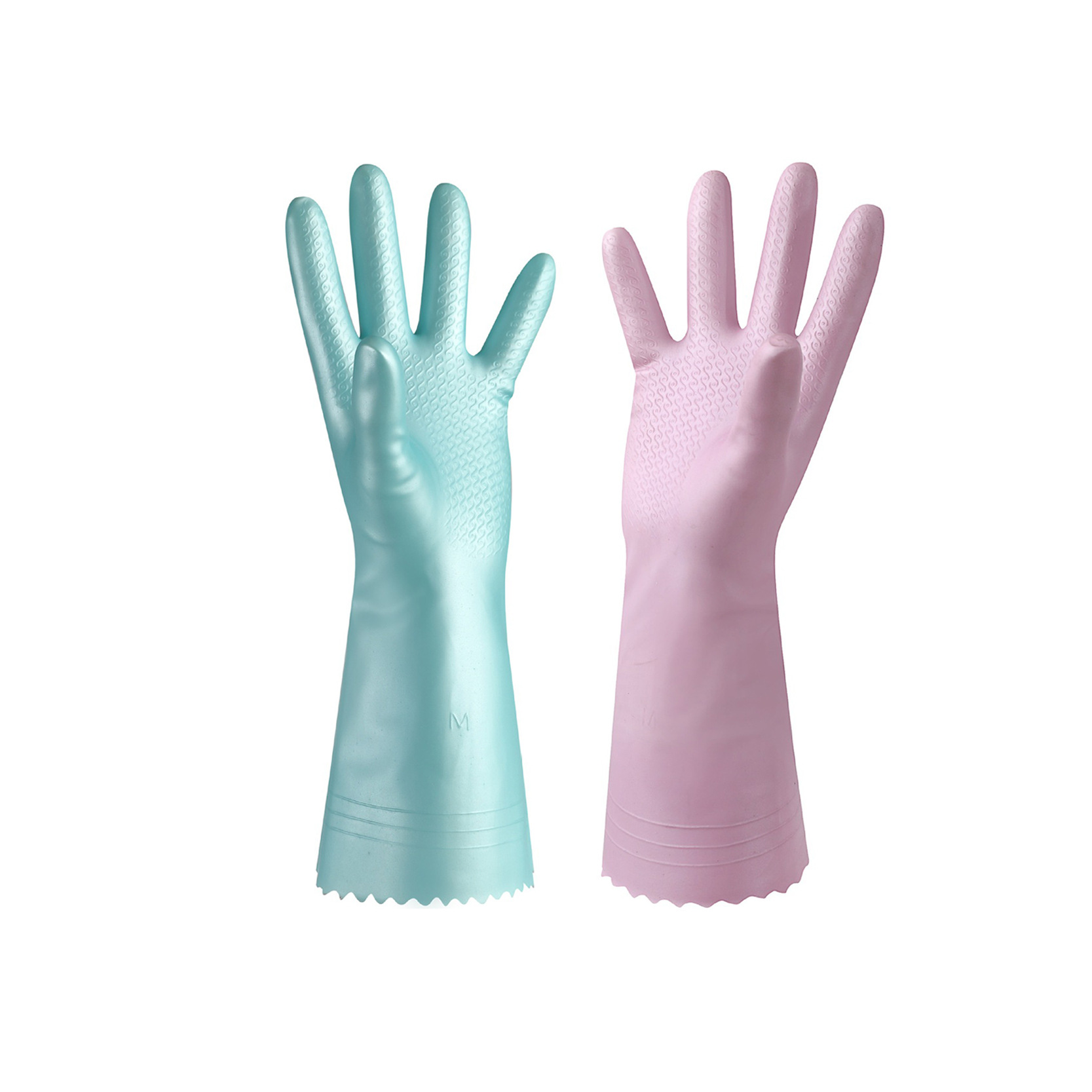
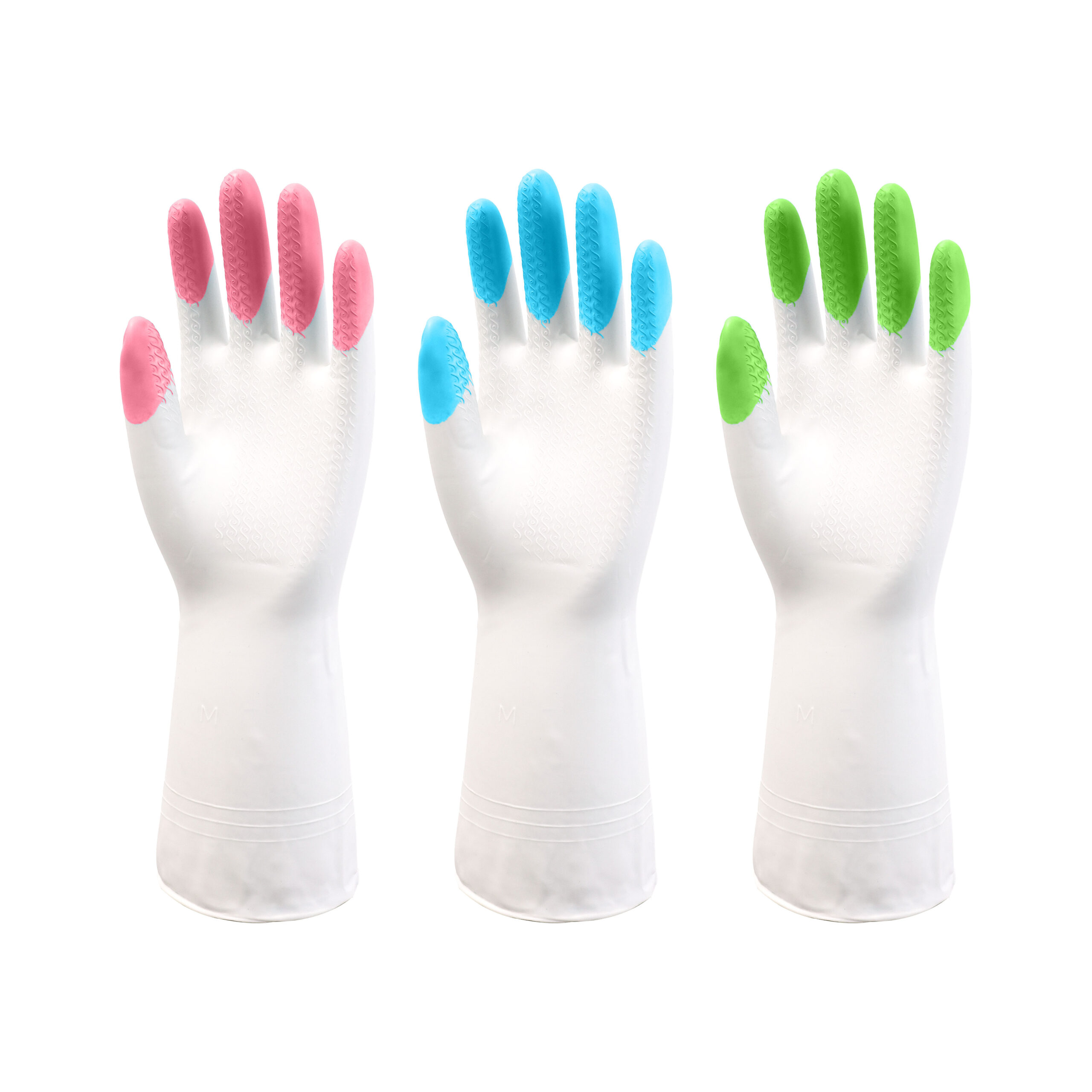
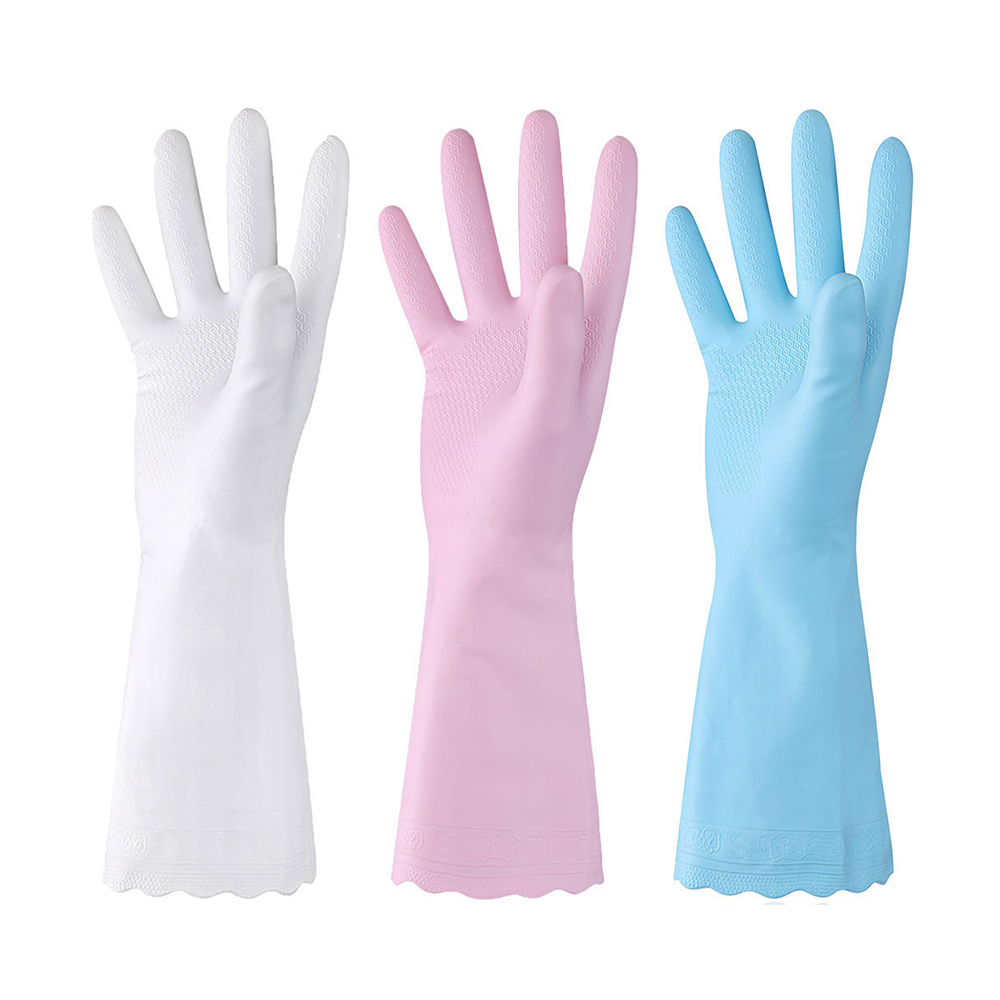
Garden searches are noisy. Many “rubber” results are knit gloves with a latex or nitrile coating on the palm, while the back remains fabric. These may serve a different set of jobs, but they are not the same item as a full-dipped household glove. Ask the supplier to state whether the glove is full-dipped, coated knit, disposable or another design, and to provide front, back, cuff and worn photographs of the exact proposed model. A photo of a different colorway or a render should be labeled as such.
For a reusable full-dipped pair of gardening rubber gloves, write down the base material, size range, length, palm width, finger shape, cuff construction, lining, grip texture, color and proposed retail-unit contents. Record any measurement tolerances you intend to inspect. The buyer should not assume that two gloves with the same advertised length have identical finger fit or cuff openings. Compare the actual pair and the written specification side by side.
Red Sunshine’s RHH-38 public product page lists latex and gardening among its applications. That public listing can be a starting point for a model-specific discussion. It does not establish that the model protects against thorns, pesticides or every garden chemical. Before using it in a retail garden range, request a current specification, a physical sample and confirmation that the shown construction, color and pack are the version being quoted. The latex household glove range can help a buyer identify related models, but the final decision must refer to one defined SKU.
| Question for the supplier | Record on the approval sheet | Why the answer matters |
|---|---|---|
| What is the exact model and material? | Model code and current material description | Prevents substitution between latex, nitrile and coated knit |
| Is the pair truly left and right? | Flat and worn photos of both gloves | Avoids misleading catalogue imagery and fit errors |
| What is the cuff construction? | Length, opening, edge finish and lining | Affects wet-work coverage and removal |
| Where is the grip texture? | Palm and finger close-ups | Lets the buyer test the surface shown in the listing |
| What is inside the retail pack? | Pair count, size, color and insert | Connects the sample to the sellable unit |
3. Test fit, cuff and comfort in the intended task
Do not approve gardening rubber gloves only while they lie flat on a desk. Have wearers in the intended size range put on and remove both gloves with dry hands, then carry out a short, repeatable damp-task trial. Note tight fingertips, a thumb that pulls across the palm, excess finger length, slipping at the cuff and difficulty removing the glove. A roomy cuff can make entry easier yet allow water or soil into the glove when the arm points downward; a narrow cuff may stay in place but become uncomfortable after repeated removal. The right choice depends on the task and wearer.
For a retail size run, take measurements from more than one pair per proposed size if sample availability permits. Record palm width, overall length and finger fit alongside the nominal S/M/L label. If the range is sold as “one size,” document who was actually included in the fit trial. Do not use an untested universal-fit claim as a substitute for measurements. If a lining is proposed, ask whether the quoted production version uses the same lining and whether it changes the feel when the glove is wet inside.
4. Check wet grip and handling with a simple trial
A retail buyer can compare gardening rubber gloves without claiming a certified performance rating. Choose a small set of ordinary tasks that reflect the planned pack: lift a damp plastic pot, grip a rinsed smooth tool handle, move a muddy tray and wipe a wet work surface. Use the same tasks, similar moisture and the same wearers for each candidate. Note when a pot rotates, when a glove bunches at the fingers or when a cuff interferes with control. A short video and written notes are more useful than a single adjective such as “non-slip.”
Inspect the texture of gardening rubber gloves before and after the trial. Is it on the palm, fingertips or both? Does the product photo show the same pattern? Is it shallow enough to clean, and does it remain clear after normal flexing? If the glove is intended for use with a particular tool, include that tool in the trial. Avoid extrapolating from a damp plastic pot to sharp pruning shears or powered equipment; those are different hazards and buying decisions.
Clean the sample according to the proposed care instructions, then let it dry as a customer would. Look for trapped soil at the cuff or texture, color transfer, odors and signs of damage. These observations can inform the buyer’s specification and consumer instructions. They do not establish a universal service life; that would require a defined durability method and a broader sample. Keep the notes with the reference sample so the next production run is evaluated against the same expectations.
5. Approve a representative sample, not only a sales photograph
Request a physical left/right pair of gardening rubber gloves for each proposed construction. A catalogue photo can hide a mismatched cuff, irregular fingertip, pinhole or texture change. Mark each sample with its model, color, size, material, date and supplier’s revision. If the proposed bulk item will use a different color, lining, finish or package, note the difference and request a final preproduction version before release.
Use an acceptance sheet for gardening rubber gloves with observable points: pair orientation, five normal digits on each glove, visible defects, dimensions, cuff, grip layout, color against an approved reference, lining, packaging and any market-specific warnings or claims. A water-fill or similar in-house screen may reveal an obvious hole, but the buyer should not describe it as a certified leak test unless a defined method and report support that term. Decide in advance how many pairs to inspect and what happens if a defect is found. That agreement is especially important when an opening order includes several colors or sizes.
For a reorder, ask who keeps the approved sample and how substitutions will be approved. The purchase order should point to the specification revision and artwork revision. If the supplier proposes a lighter glove, new cuff, changed pigment or alternative pack to meet a date, treat it as a change requiring buyer approval.
6. Build the retail unit around a truthful task promise
The front of a gardening rubber gloves pack should tell the shopper what the pair is for. “Reusable glove for damp potting and garden clean-up” is more precise than “professional protection for all gardening.” Show the same glove, color, cuff and texture that the customer will receive. State pair count and size clearly. If the pack says waterproof, decide what the term means in ordinary use and require evidence appropriate to the exact product and market. Avoid an image of thorny pruning or pesticide spraying when the SKU has not been assessed for those uses.
Create an item master before printing. GS1’s size-and-color guidance says each size/color variation needs its own GTIN. Map the intended size and color combinations, pack quantity, SKU code, barcode, carton marking and product photograph. Confirm which party owns the GTIN and who signs off the final artwork.
For EU-bound retail packs, ask the responsible market team to review current packaging and labeling obligations before artwork approval. The European Commission states that the EU Packaging and Packaging Waste Regulation began applying on 12 August 2026, with official guidance issued in June 2026. This is a reason to check the destination requirements, not a conclusion that a particular pack complies or that every future label rule already applies.
7. Compare quotations and control the first and repeat orders
Send the same gardening rubber gloves brief to every candidate supplier. State the intended low-hazard wet tasks, destination market, proposed model or reference sample, material, sizes, color split, cuff and lining preferences, pack format, artwork status, target order quantity and inspection expectations. Ask for a quote per packed retail pair, and have the supplier separate glove, package, printing, development, tooling, sample and freight-related costs where relevant. Do not compare one supplier’s loose pair with another’s printed hanging pack as though the unit prices mean the same thing.
MOQ should be confirmed for the actual configuration, not borrowed from another page or past order. Ask how minimums change by size, color, print design and carton mix, and whether a stock construction can be used while artwork is developed. Ask what sample stage is included in the quoted schedule, who approves the preproduction version and when a change freezes the lead-time estimate. A supplier may be able to answer differently for a stock color and a new color; the written quote should make the difference clear.
For the first shipment, agree a practical inspection point and a traceable carton/item code. For a repeat shipment, compare the new preproduction or retained sample against the approved pair. If the buyer’s garden assortment changes seasonally, retain the same measurement and texture criteria even when package artwork changes. The existing spring-gardening overview discusses broader merchandising ideas; this wet-work check is the narrower control sheet for one SKU. Any performance statements on older pages should be rechecked against current model evidence before reuse.
Frequently asked questions
What gloves do professional gardeners wear?
There is no single glove for every professional task. Wet potting, pruning thorns, handling sharp tools and working with pesticides present different conditions. A full-dipped reusable rubber glove may fit a defined wet-care task, but a professional buyer should specify each hazard and select a glove with suitable evidence for it. This answer reflects task segmentation, not a universal model recommendation.
Why do people wear gardening gloves?
People use gloves to keep hands cleaner and to separate them from soil, moisture or rough materials during appropriate tasks. The required construction changes with the activity. For retail copy, describe the task a sampled product actually supports and avoid implying it prevents every injury or exposure.
Is there a difference between gardening gloves and work gloves?
Yes, the labels cover overlapping but different constructions. Many garden or work gloves have a knit base with a coated palm; a full-dipped household-style rubber glove has a different coverage and feel. Compare the actual construction and intended task rather than using the category name as a safety specification.
Are gardening rubber gloves good for wet soil?
They can be a candidate for damp or muddy chores, subject to the exact glove’s fit, integrity and handling. UC garden guidance distinguishes rubberized or lined gloves for wet soil from gloves meant for thorny or rocky work. Test a real pair with the intended soil and tools before making a retail promise.
Can ordinary rubber garden gloves protect against thorns?
Do not assume so. An ordinary household-style rubber glove can be punctured by sharp vegetation. Use a construction assessed for thorny work and obtain relevant evidence before making a thorn-resistant claim. The best gardening gloves for thorns related search points to a different product requirement, not a reason to relabel a wet-care SKU.
Can the same gloves be used for pesticides?
Only when the actual pesticide label permits the material and the selected glove meets the stated conditions. EPA guidance emphasizes reading the specific product label because formulations differ. Do not put a general pesticide-protection claim on an ordinary gardening rubber gloves pack without the relevant product, label and performance evidence.
What should a wholesale buyer request before an order?
Request an exact model and material description, a representative pair, size and cuff measurements, grip-layout photos, the proposed retail pack, claim support, MOQ by variation, quotation basis, inspection agreement and a method for approving changes. Ask the supplier to identify the actual version that bulk production will follow.
Next step for a garden retail buyer
If a wet-care slot belongs in your range, compare a small number of exact models against the same physical tasks and approval sheet. Keep the broad spring assortment discussion separate from this SKU decision. Red Sunshine’s published RHH-38 listing is one potential starting point for a sample discussion, subject to current specification and claim review. Share your target market, wet tasks, preferred sizes and colors, pack concept, opening quantity and proposed claims through the contact/quote page, then approve the actual pair and pack before a bulk commitment.