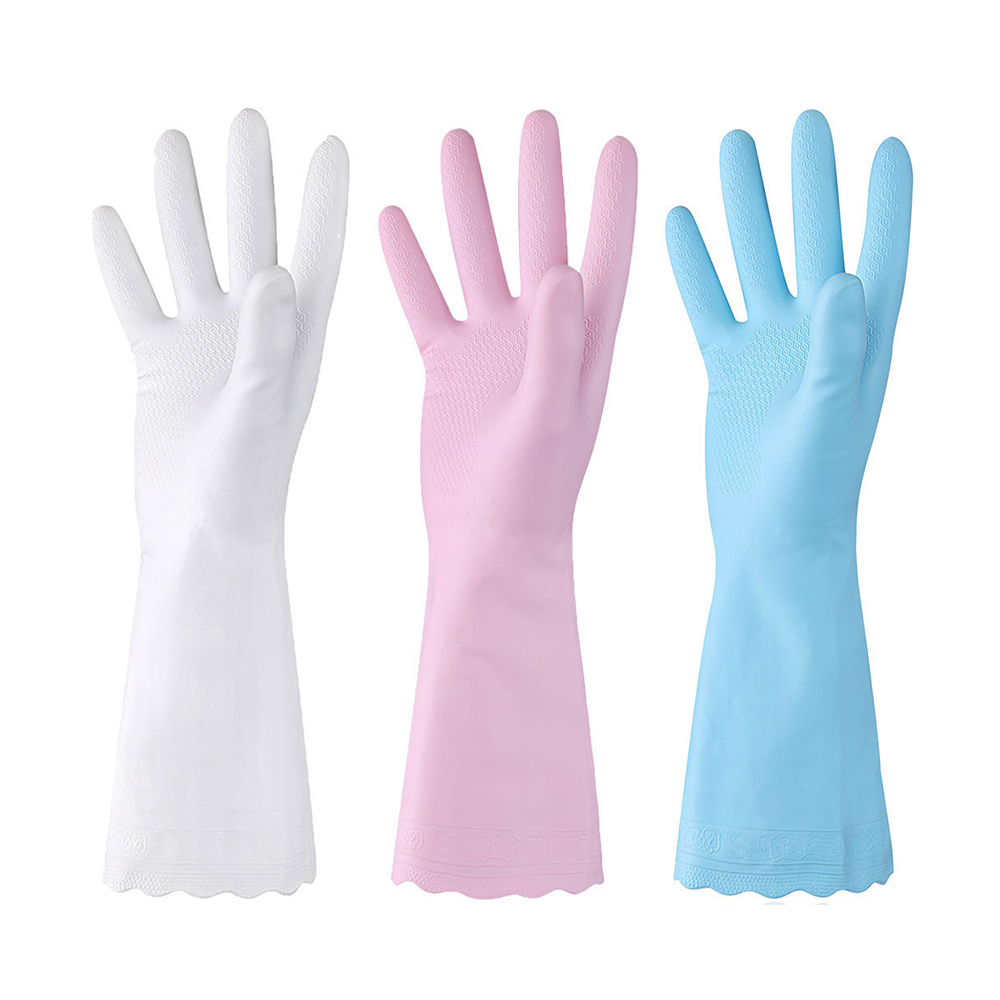
A buyer receives a photograph of a long rubber glove and a product description that says it handles acids. The price and cuff length look suitable. The quotation is due tomorrow. What is still missing? Almost everything that would establish whether that exact glove is appropriate for the acid, concentration, temperature and contact pattern at the worksite. A phrase such as “acid resistant” is a starting point for a question, not an approval decision.
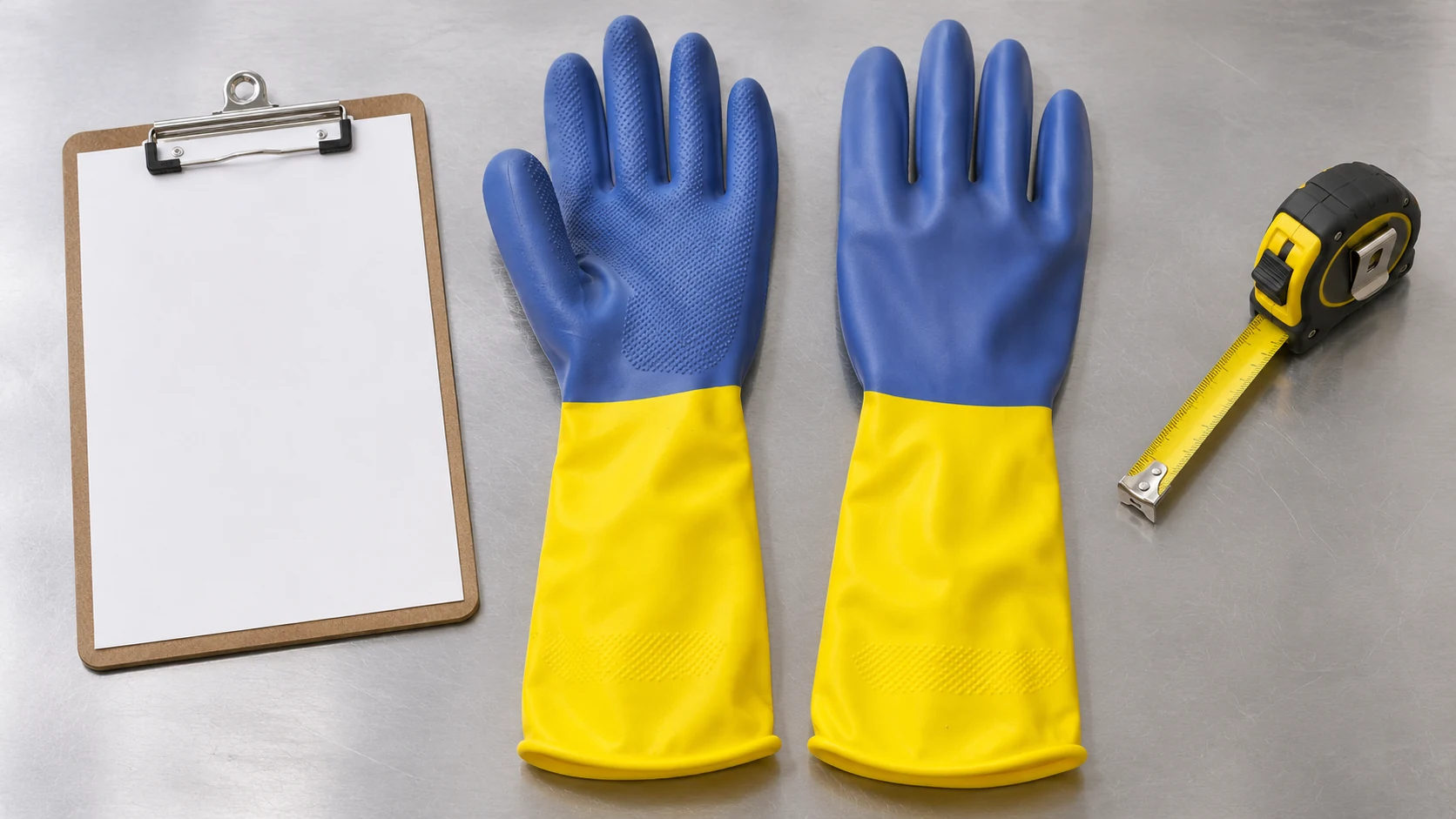
Direct answer: To evaluate acid resistant gloves, first identify the exact acid or formulated product, its concentration, temperature and likely contact duration. Then request chemical performance data for the proposed glove model, along with the applicable market documents and instructions. Check a physical sample for fit, construction and handling, but do not treat a successful sample trial as proof of chemical protection. If the supplier cannot connect the task to model-specific evidence, do not approve the protective claim or the order for that task.
This guide is for industrial purchasers, importers, safety distributors and EHS teams comparing reusable, unsupported rubber gloves. It does not authorize work with hazardous substances. The employer’s hazard assessment, current safety data sheet and model-specific instructions govern the final choice. In the United States, OSHA’s hand-protection rule requires selection against the task, conditions, duration and identified hazards.
1. Define the acid and the job before quoting acid resistant gloves
The first line of an RFQ for acid resistant gloves should name the substance. “Acid” is too broad. Record the product name, relevant CAS numbers where available, concentration or dilution, temperature and whether the worker may touch a splash, a wet surface or a vessel that could immerse the hand. Include the planned duration of each contact and the expected frequency. If the substance is a commercial formulation, attach its current safety data sheet rather than substituting a chart for a pure chemical.
The same operation may involve more than one substance. An employee might transfer one acid, rinse equipment and then handle a cleaning formulation. Create a separate row for each stage. Do not infer that a glove tested against one acid will work against the next one. A public question asks whether gloves used while diluting sulfuric and hydrochloric acid can then be used for “other acids”; the buyer’s answer must depend on the other substance and the model’s evidence, not the material name. The original question is a laboratory discussion, not a purchasing specification or technical authority.
Include physical demands: wet grip, valve work, sleeve overlap, sharp edges and heat. OSHA’s selection rule ties the glove to the whole task. A long cuff may address a splash route, but neither cuff length nor grip texture establishes chemical resistance.
A compact chemical input sheet
| Input to record | Example of a buyer entry | Why it belongs in the RFQ |
|---|---|---|
| Substance | Exact product and SDS revision | Prevents an answer for a different chemical |
| Concentration and temperature | Values from the actual process | Test results may not transfer across conditions |
| Contact | Splash, intermittent touch or potential immersion | Changes the evidence and cuff discussion |
| Time | Expected contact and total wear period | Makes a breakthrough figure interpretable |
| Other hazards | Grip, abrasion, heat, cuts or sleeve interface | Chemical evidence alone cannot cover them |
| Target market | Country and intended protective claim | Determines document and labeling review |
The table is an RFQ framework, not a claim that any glove is suitable for the example. For a severe hazard, the EHS owner should set the acceptance criteria before procurement compares prices.
2. Identify the exact acid resistant gloves model
A material-level statement is not enough to purchase acid resistant gloves. Ask for the model number, current technical sheet, material construction, nominal thickness and tolerance, overall length, cuff style, lining and size range. Confirm whether the offered item is a full-dipped reusable glove, a supported or coated knit glove, or a disposable glove. They are not interchangeable categories. This article covers the full-dipped reusable type; knit-supported work gloves and routine disposable exam gloves are outside its scope.
Then connect every document to that model. A supplier may send a chemical chart for natural rubber latex while quoting a different thickness, lining or molded construction. Ask whether the report identifies the actual model and whether the tested sample represents the current production version. If a color or formulation changes, ask whether the evidence still applies. A buyer should not reuse another maker’s chart as proof for the quoted glove. The UK Health and Safety Executive notes that chemical performance varies between manufacturers and advises selection from the correct manufacturer’s data.
Natural rubber latex deserves a separate user-safety check. Ask whether the pack and instructions identify latex, and how the workplace manages latex sensitivity. NIOSH’s latex-allergy alert explains why exposure can matter to workers; it does not say every latex glove or every wearer will have the same outcome. If a site’s allergy policy calls for a non-latex material, include that in the RFQ before requesting samples. Do not try to resolve an allergy question by choosing a thicker latex glove.
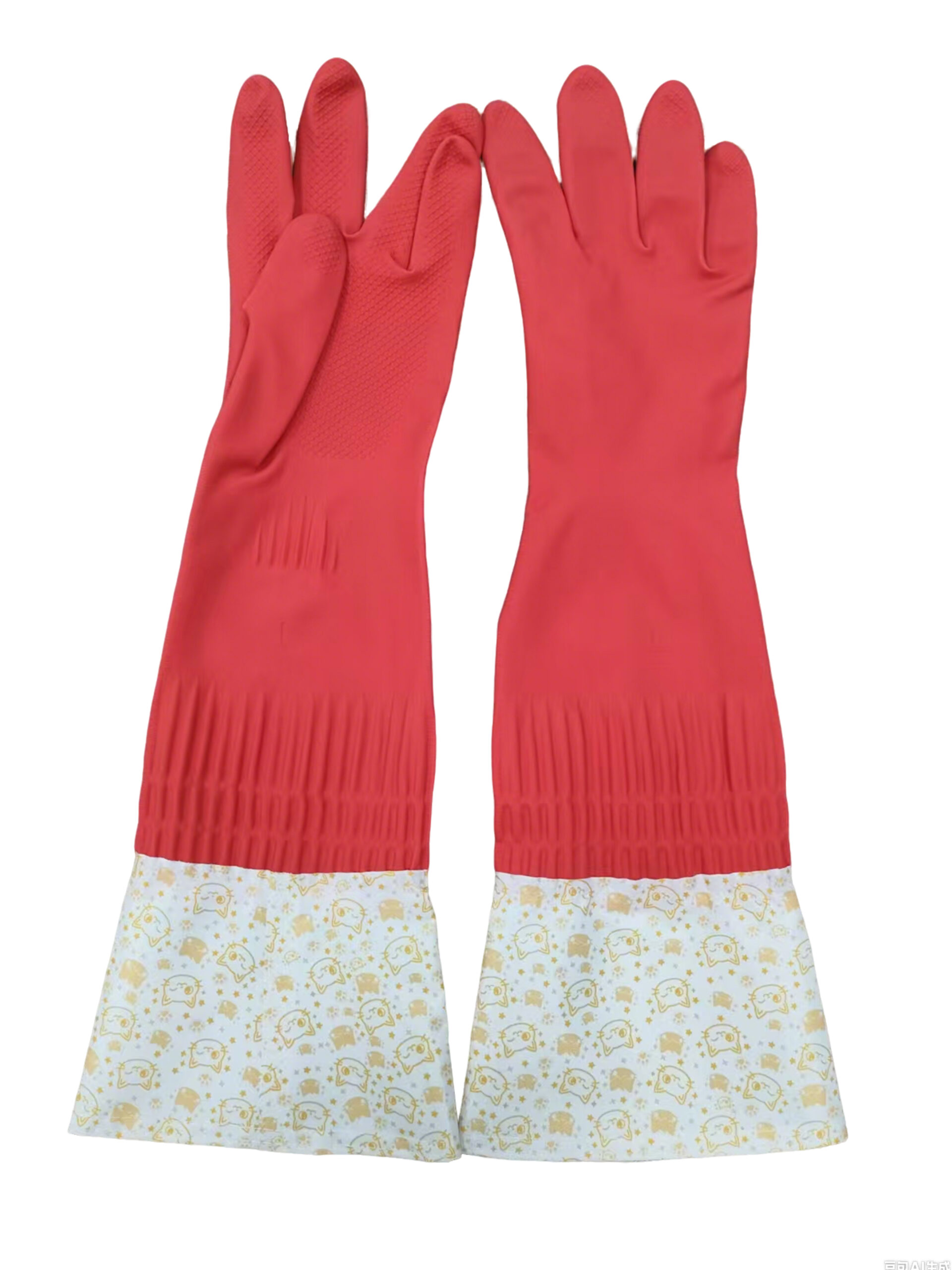
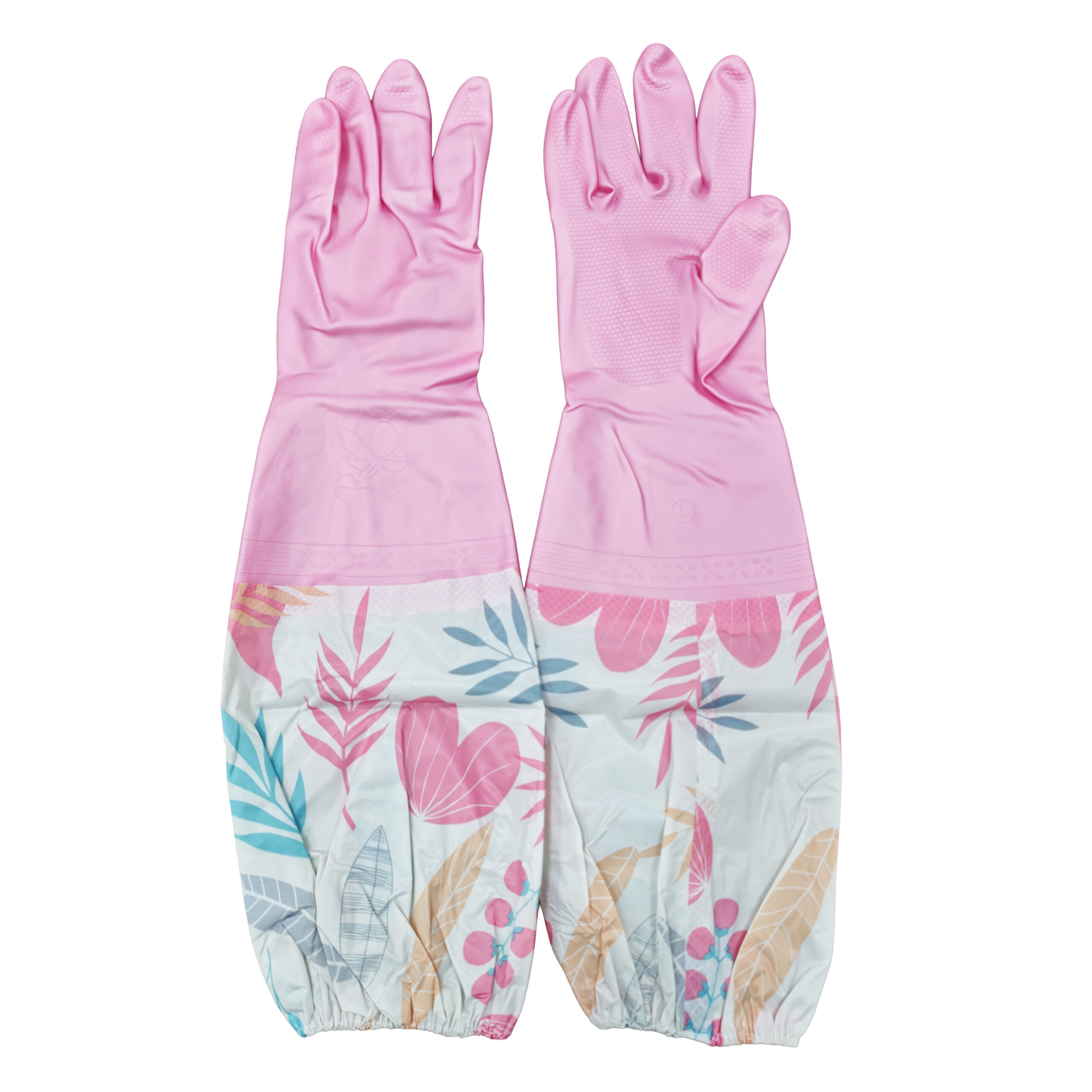
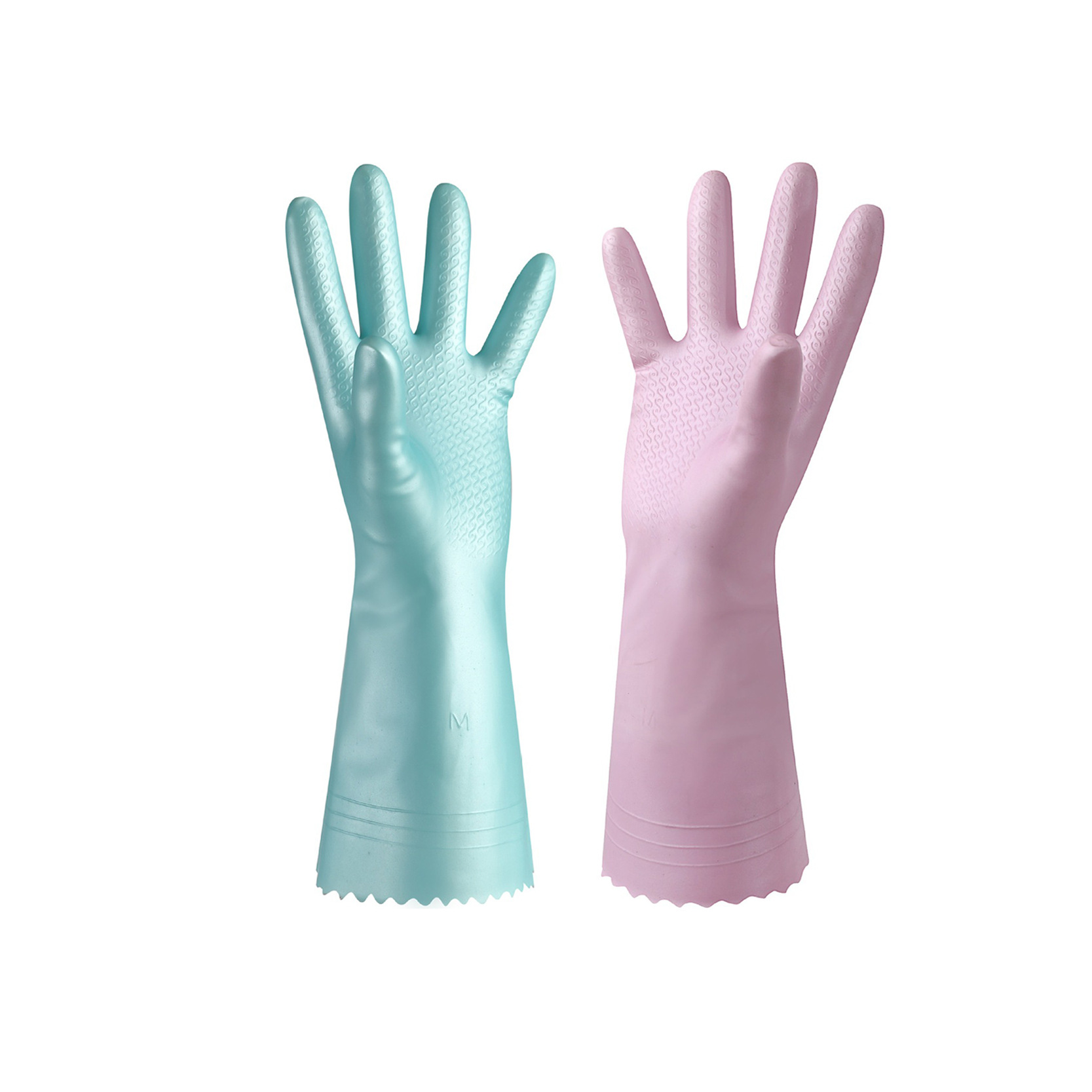
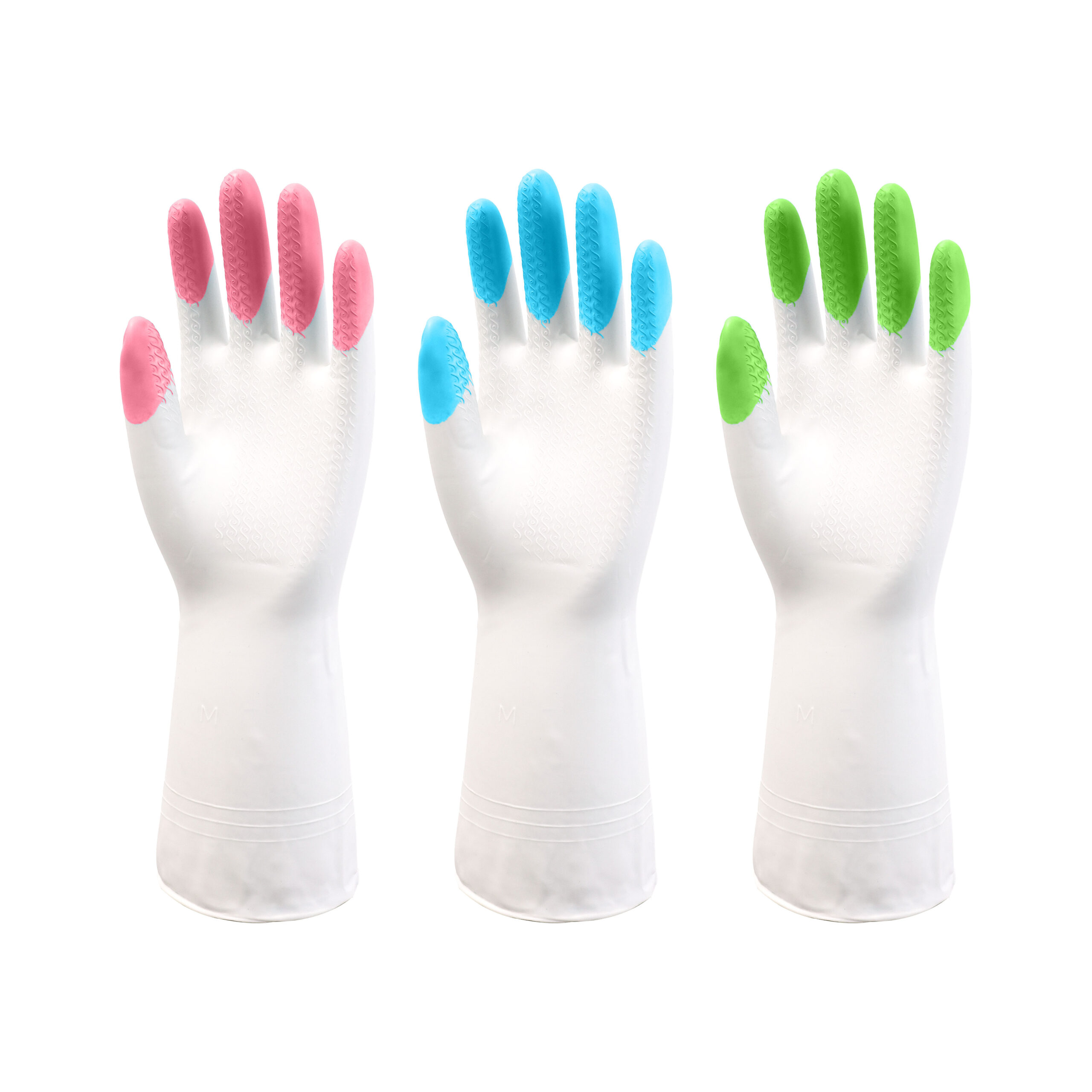
A model image can show finger shape, cuff, texture and color, but it cannot prove chemical resistance. Record the exact model in the commercial file so that the report, carton and purchase order agree.
3. Read the acid resistant gloves test evidence
The central document in an acid resistant gloves review is the test evidence for the relevant chemical and exact model. Ask which standard and edition the laboratory used, the tested chemical identity and concentration, test temperature, sample condition, breakthrough result and degradation observation. If the supplier gives a chart without a report, ask how the chart was produced and which model it covers. If the report concerns a different formulation or only a raw material film, classify the match as unresolved.
Permeation and degradation answer different questions. Permeation concerns molecules moving through the glove material. Degradation concerns physical change after contact, such as swelling or softening. A glove may retain its visible shape while a chemical permeates; conversely, visible damage can make a material unsuitable even when a single reported breakthrough value appears favorable. HSE’s glove guidance describes breakthrough time, permeation rate and degradation as separate selection terms. Its warning about mixtures matters when the worksite uses a proprietary product rather than a pure laboratory chemical.
Do not turn laboratory breakthrough time into permitted wear time. OSHA’s technical manual explains that temperature, flexing, pressure points, reuse and mixtures can change performance. Obtain use and discard instructions; let EHS set the work procedure.
For buyers comparing international documents, ISO’s official catalogue lists ISO 374-1:2024 as the published edition for chemical-risk protective gloves and shows the 2016 edition as withdrawn. This public catalogue verifies the version and scope; it does not expose the full paid text or prove that a particular glove complies. Request the actual certificate, test record and marking explanation from the supplier, and verify that their editions and product identities agree. A logo or standard number in a sales image is not equivalent to a matched test file.
Read a supplier evidence table line by line
| Document question | Acceptable direction | Hold or reject signal |
|---|---|---|
| Which glove was tested? | Exact model and representative construction are identifiable | Generic “latex” chart with no model |
| What was tested? | Acid/product, concentration and temperature are stated | “All acids” without conditions |
| Which method and date? | Standard edition, laboratory and test date can be checked | Unnamed method or obsolete claim copied forward |
| What happened to the material? | Permeation and relevant degradation information are available | Only a marketing adjective |
| How may it be used? | Instructions define limitations, care and discard | No instruction for contaminated reusable gloves |
This is a procurement review table, not a universal pass/fail threshold. The EHS team must decide what results are adequate for the specific process.
4. Match acid resistant gloves claims to the destination market
For an EU sale that claims protection against substances hazardous to health, the PPE Regulation’s risk categories place that hazard in Category III. Ask for the EU declaration of conformity, relevant certificate, notified-body information, marking and instructions that match the exact product and claim. The precise regulatory route depends on the product and intended use; an importer should have a competent compliance reviewer assess the finished file. A glove sold only for a weak cleaning task is not automatically the same category as one marketed for hazardous acid contact.
In the United States, OSHA 1910.138 places selection on the employer. Supplier evidence supports, but does not replace, task assessment. Check local requirements in other markets; an EU mark alone does not settle a U.S. workplace decision.
Review the website copy, carton, individual pack and instructions together. If the claim says “resists acids and bases,” ask which substances and conditions the file supports. Remove or narrow language that outruns the evidence. During this research, Red Sunshine’s public 55 cm industrial latex product page displayed broad acids-and-bases wording without a model-specific test report visible on the page. That observation is a request for internal document review, not a conclusion that the product failed a test. This article makes no protective claim for that model or any other Red Sunshine model.
5. Use an acid resistant gloves sample for what it can prove
A sample trial is still necessary. It answers construction and handling questions that a laboratory chemistry table cannot. Ask for a pair from the proposed model and size, then compare the pair with the technical sheet and purchase specification. Check that each hand has the expected shape, that the palm texture is where the photograph shows it, and that the cuff and lining match the quotation. Measure length and sample thickness with a defined method if those measurements are part of the approval plan. Note any defects rather than relying on a single “looks heavy duty” impression.
Have trained users try normal, non-hazardous handling motions that resemble the job: grasping the same style of handle, manipulating a valve and removing the glove without touching its outer surface. Record fit, dexterity, grip and cuff interaction. Do not conduct an improvised acid exposure test with an unapproved sample. A dry sample cannot demonstrate resistance to a chemical, and a splash trial without controlled procedures would create its own hazard. The actual chemical decision belongs to the site safety process and validated documents.
Compare more than one size when needed. Ask whether test evidence covers every proposed variant. For private label artwork, preserve the approved claim, warnings, limitations and model identity. “Same appearance” is not “same tested construction.”
6. Make the acid resistant gloves RFQ traceable
Procurement can lose a technically sound selection when the order document says only “acid resistant gloves, blue, 35 cm.” Translate the approved evidence into a controlled RFQ: exact model, material construction, size and color matrix, length and thickness specification, lining, cuff, pack count, labeling, relevant test documents, inspection method and change-control requirement. Ask what the supplier treats as a substitution and how a change in formula, thickness, factory or packaging will be reported before shipment.
Separate commercial terms from technical acceptance. Request a quote for each clearly defined variant, with MOQ, sample arrangements, tooling or artwork charges, lead time, shipment terms and carton configuration to be confirmed in writing. Do not copy a generic MOQ or delivery promise from a website into the purchase order. Red Sunshine’s public pages currently show inconsistent MOQ figures for some industrial models; confirm the applicable current offer for the exact variant. The order should not proceed on the assumption that an old page figure is binding.
Assign an owner for current sheets, reports, declarations, instructions and artwork. Link the physical sample to a dated record. Recheck the model and evidence before repeat orders. Any material substitution reopens the protection assessment.
A practical supplier document request
- Current model specification and construction drawing or clear front, back and cuff photos.
- Chemical test evidence for the named acid or product, concentration and relevant temperature.
- Test method, edition, laboratory, date, sample identity and limitations.
- Applicable market declaration, certificate, marking and use instructions if protective claims are made.
- Latex warning and user information where relevant.
- Sample approval procedure, change notification and batch traceability method.
- Written quote for the exact approved size, color, pack and delivery basis.
These are documents to request, not a statement that any supplier already holds them. The purchasing team should keep an unresolved-item column rather than silently turning a missing file into a pass.
7. Set an acid resistant gloves approval gate
The safest commercial decision is sometimes to delay an order. Establish who can sign off the chemical match, who reviews market claims, who approves the physical sample and who authorizes the purchase order. Make the gate visible: approved application; verified model and test conditions; acceptable instructions and market file; sample and pack agreement; commercial terms tied to that model. If any of the first three are missing, a lower price is not a substitute.
This approach also avoids overclaiming in sales copy. A distributor can accurately say it is evaluating acid resistant gloves for a defined task while the evidence review is open. It should not label the pair suitable for sulfuric, nitric, hydrochloric or hydrofluoric acid because a general material chart mentions one of them. NIOSH’s sulfuric-acid entry says to prevent skin contact and remove contaminated clothing; it does not certify a glove. The difference between a hazard reference and a product test is central to responsible sourcing.
If the report does not match the acid, concentration or model, seek a correctly scoped alternative. Without one, stop that protective use case and involve EHS. A different low-hazard use requires a separate specification and claim.
FAQ: questions that shape the buyer brief
Does latex itself prove that a glove resists acids?
No. The public user question captures a common assumption, but an industrial buyer needs test evidence for the exact model and named acid under relevant conditions. Natural latex is a material category, not a certificate for every acid or concentration.
Can we use the same gloves for another acid after one successful test?
Not on that test alone. The original laboratory question asks precisely this. Ask for data covering the other substance and conditions, and have the site’s safety lead assess the result. A mixture or changed temperature adds another variable.
Is a longer or thicker glove automatically more protective?
No. Length can address coverage and thickness may affect certain performance measures, but neither proves resistance to the actual chemical. Evaluate the cuff against the splash route and the tested material against the exposure. Grip and dexterity can also change as construction changes.
What if a supplier sends a chemical chart for a different brand?
Treat it as background information only. HSE warns that performance varies between manufacturers. Request the proposed model’s own data and ask how it was generated. Do not transfer a competitor’s result to a Red Sunshine product.
Can an importer publish “acid resistant gloves” before receiving the test file?
It should not make a specific protective promise without the evidence and market review to support it. A buyer’s internal search term is not the same as an approved product claim. State the intended application in the RFQ, leave the claim unapproved, and have the compliance owner check the finished label and instructions before publication.
Next step for an industrial sourcing team
Send the exact chemical or product SDS, concentration, temperature, contact pattern, target market and required glove sizes in your inquiry. Ask Red Sunshine through its contact and quote page to identify a current model and provide the corresponding specification and available test documentation for review. Do not approve a protective claim, sample or bulk order until your safety and compliance teams have checked the match. That is a better starting conversation than asking for a price on an undefined “acid glove.”