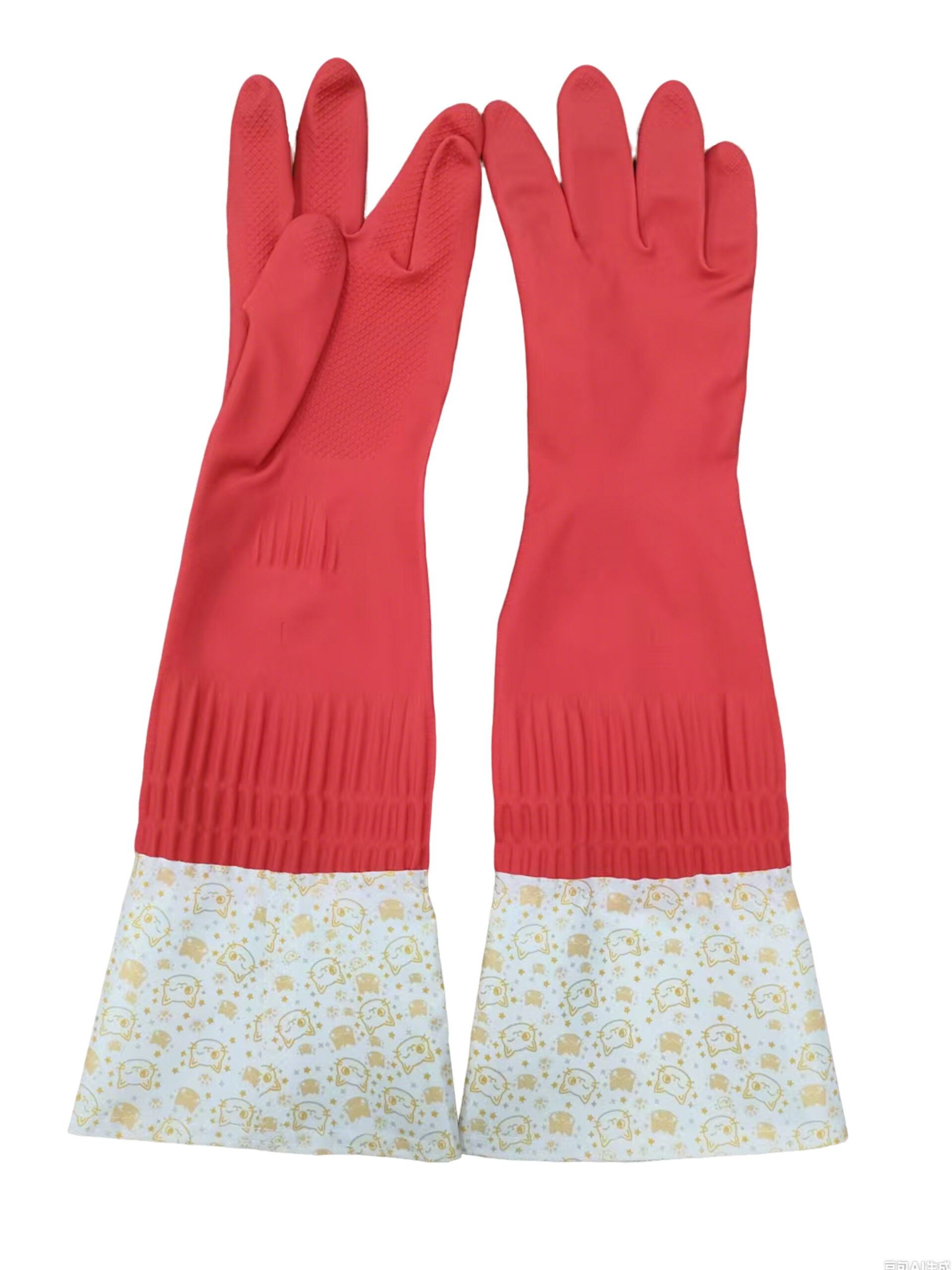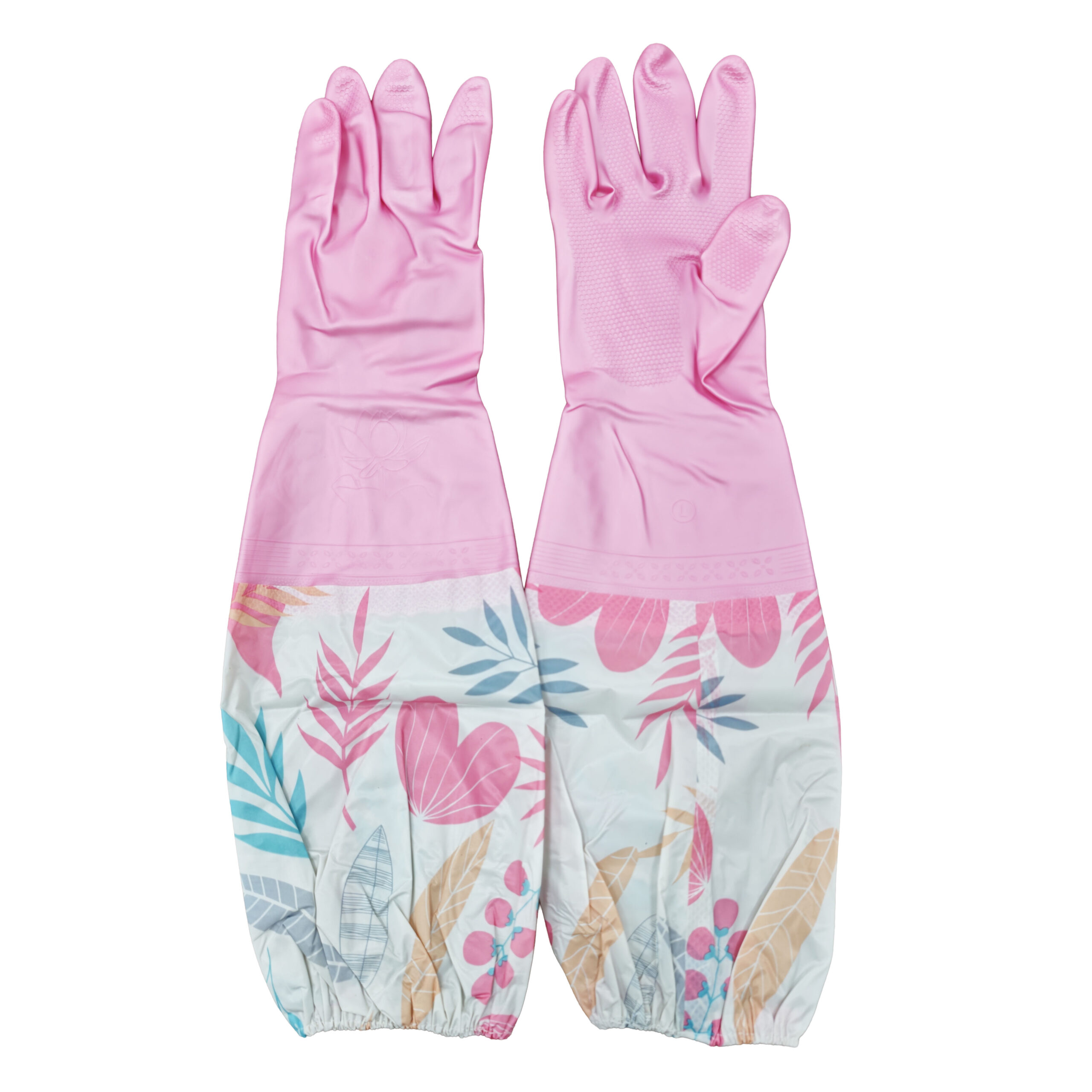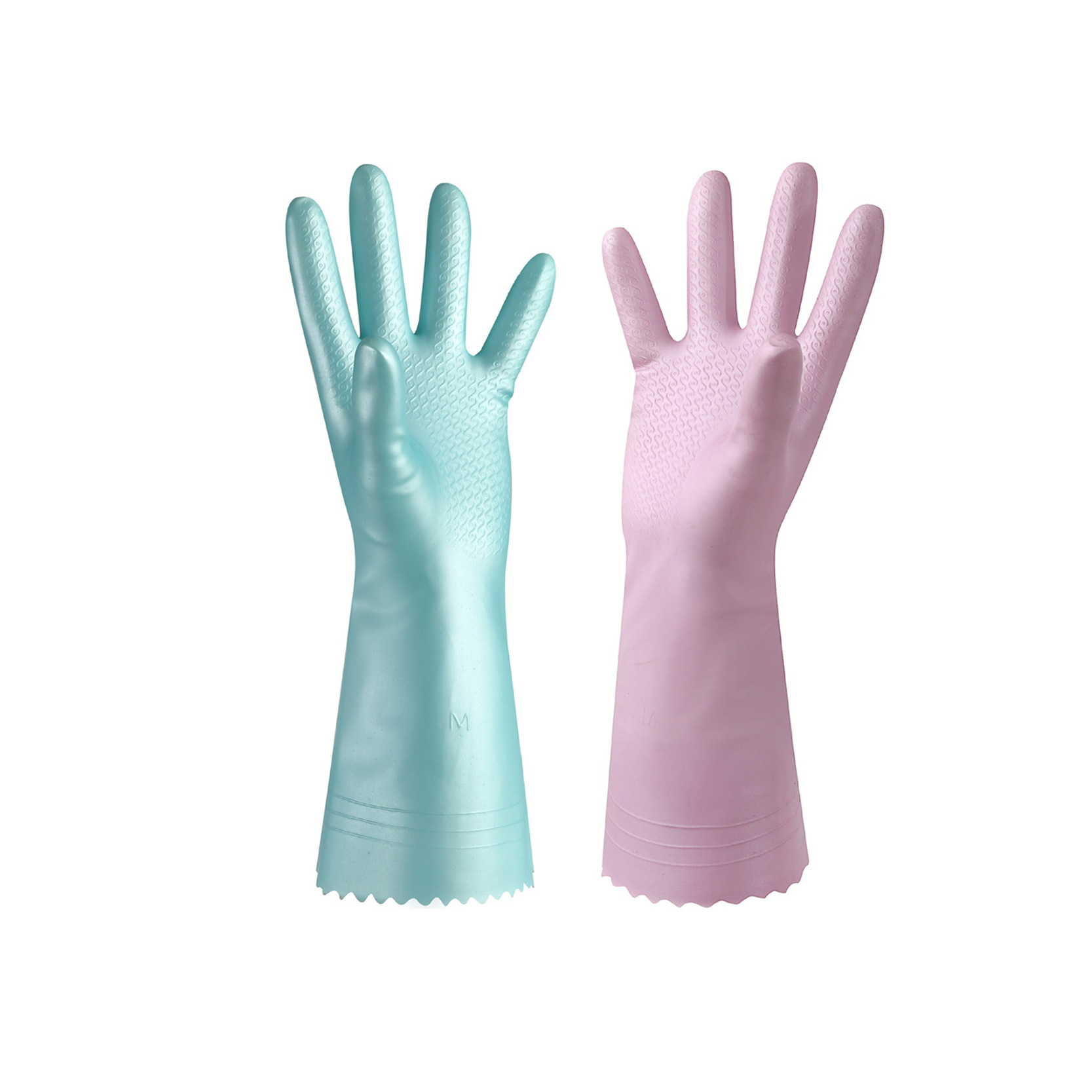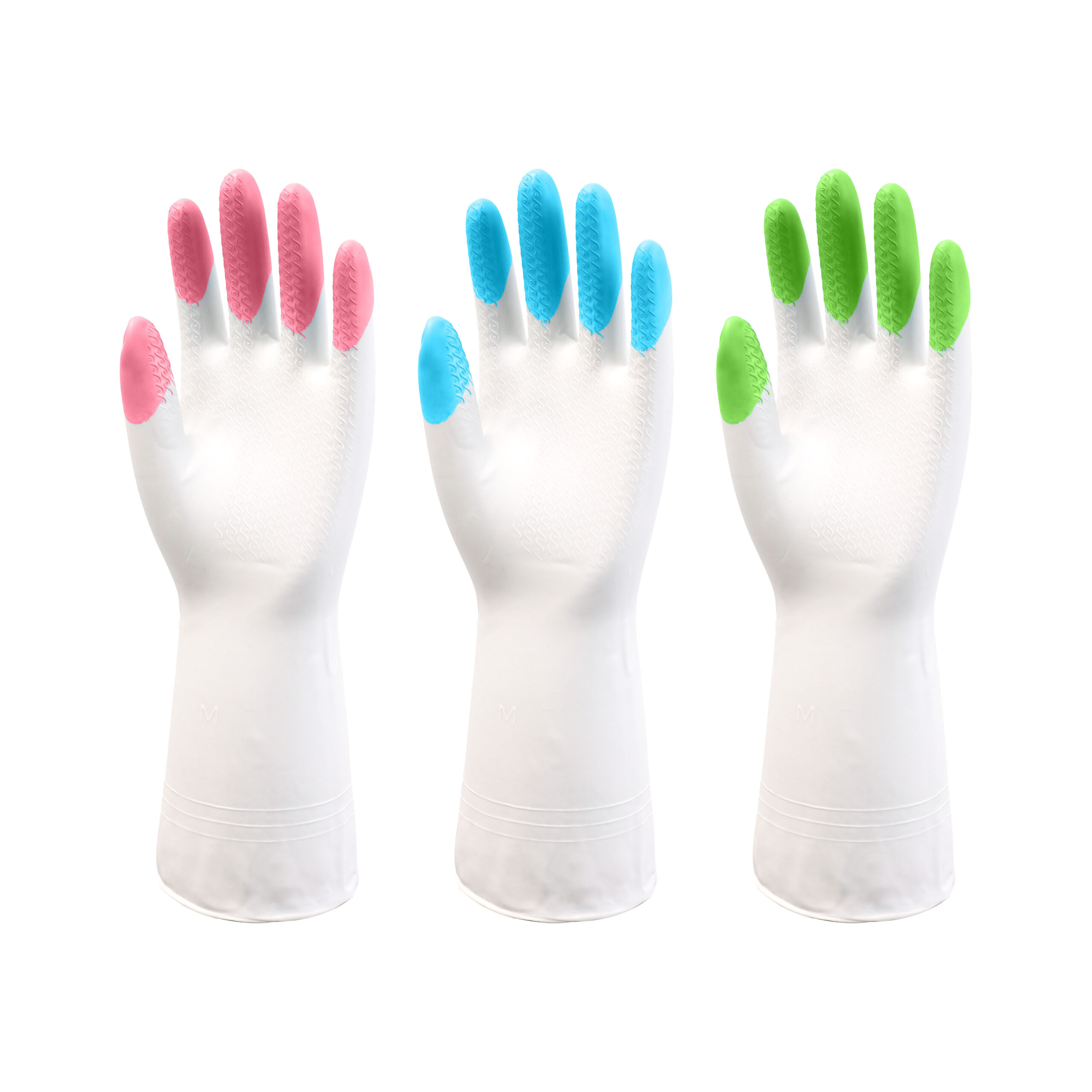
Introduction: The Dilemma of Choice in Hand Protection
For many procurement officers and category managers, the choice between Nitrile and Vinyl (PVC) comes down to cost. However, in 2026, savvy consumers are looking for performance over price. Providing a clear nitrile vinyl comparison is the key to reducing returns and building brand authority in the e-commerce and retail sectors.
At Guangzhou Red Sunshine (RSGlove), we have spent 20 years manufacturing both materials. We understand that while PVC has its place as a budget-friendly waterproof barrier, Nitrile is the “super-material” that modern households are demanding for deep cleaning and heavy-duty tasks. This glove material guide breaks down exactly when your brand should prioritize one over the other.
1 — Key Performance Differences: Science on the Shelf
When comparing PVC glove vs nitrile, it is important to look at the molecular structure and how it handles real-world household chemicals.
Nitrile: The Premium Heavy-Lifter
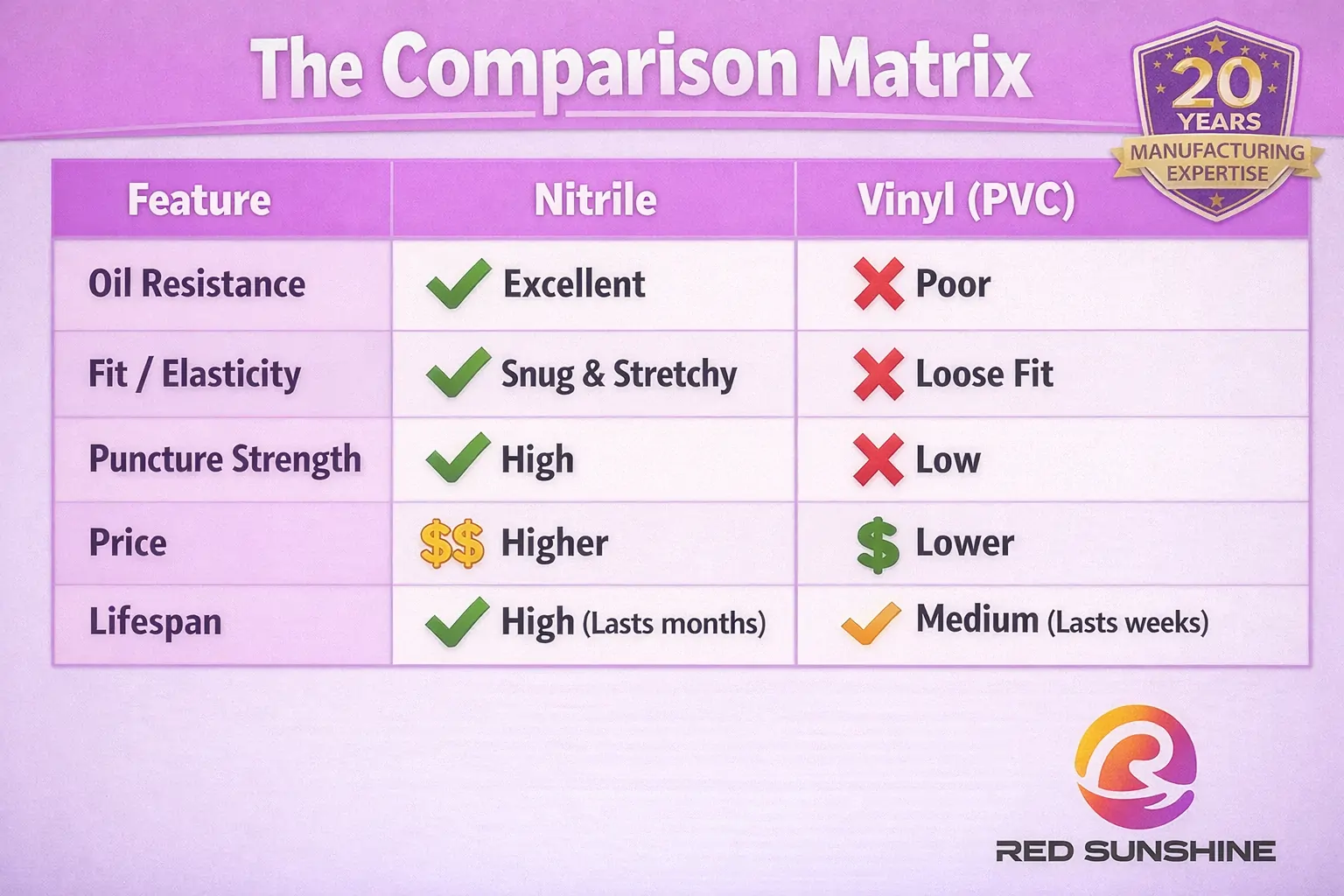
- Chemical & Oil Resistance: Nitrile is a synthetic rubber that is inherently resistant to petroleum-based products, oils, and grease. This makes it the only choice for oven degreasing or automotive cleaning.
- Elasticity & Fit: Nitrile “remembers” the shape of the hand through body heat, providing a fit that is nearly as comfortable as natural latex.
- Durability: Nitrile has 3x the puncture resistance of standard vinyl. For shoppers, this means “one pair lasts the whole season.”
Vinyl (PVC): The Economy Water-Barrier
- Latex-Free Budget Choice: PVC is naturally latex-free and is the most cost-effective way to provide waterproof protection.
- Fit & Dexterity: Vinyl is less elastic than nitrile and tends to have a “looser” fit. It is best suited for short-duration tasks.
- Sustainability: Because PVC is a more rigid polymer, it is often used for light, “wet-only” tasks like window washing or basic bathroom rinsing where chemical resistance isn’t the primary concern.
2 — B2B Strategy: How to Message “Nitrile vs. Vinyl” to Shoppers
As a retailer or e-commerce seller, your goal is to guide the customer to the product that best fits their task. We recommend using “Usage Tags” in your product listings:
- For Nitrile Products: Label them as “Heavy-Duty & Degreasing” or “Professional Strength.” Highlight that they are safe for people with sensitive skin and offer the best protection against harsh cleaning agents.
- For PVC Products: Label them as “Daily Waterproofing” or “Essential Cleaning.” Position them as the perfect glove for light housework where quick “on-and-off” use is required.
The Pro-Seller Tip: In your Amazon or e-commerce image carousels, add a glove material guide comparison chart. Show “Nitrile” with 5 stars for durability and “Vinyl” with 5 stars for value. This transparency builds buyer trust instantly.
3 — Why the Manufacturer’s Experience Matters
Choosing between materials is only half the battle; the other half is the consistency of the polymer.
- 20-Year Master Formula: At our Guangzhou facility, we have spent two decades refining the “blend” for our Nitrile and PVC lines. Budget factories often “water down” their nitrile with fillers to save cost, which leads to gloves that snap easily.
- Technical Compliance: Whether you choose Nitrile or PVC, our production lines are ISO, CE, and BSCI certified. For e-commerce sellers targeting the UK and USA markets, this means your products will pass all chemical permeation tests (EN 374) and food-contact standards (FDA).
4 — Strategic SKU Mix for 2026
Procurement officers should look to stock a 70/30 split.
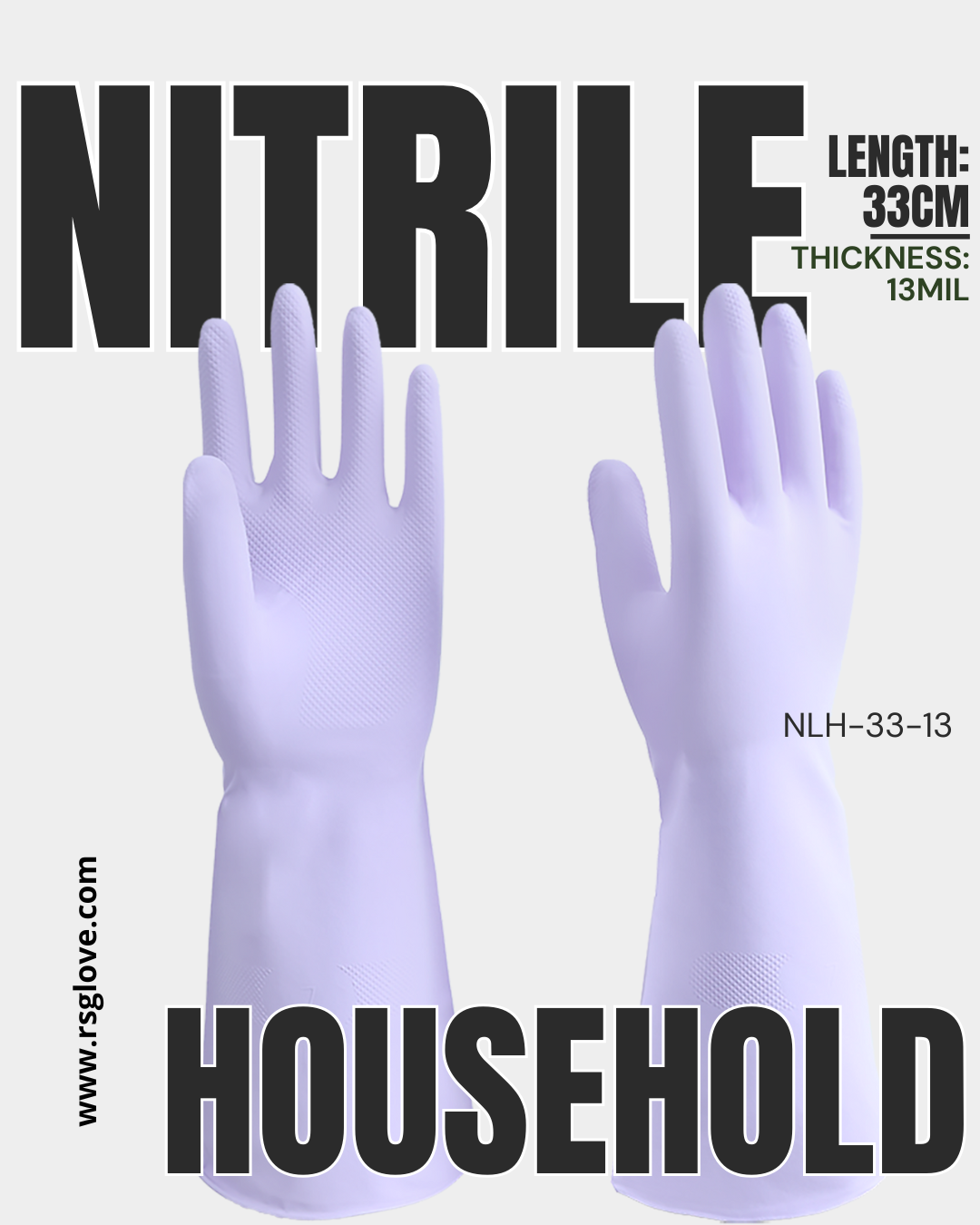
- 70% Nitrile: This is the high-growth area. Consumers are willing to pay a 20-30% premium for a glove that doesn’t tear during their first spring-cleaning session.
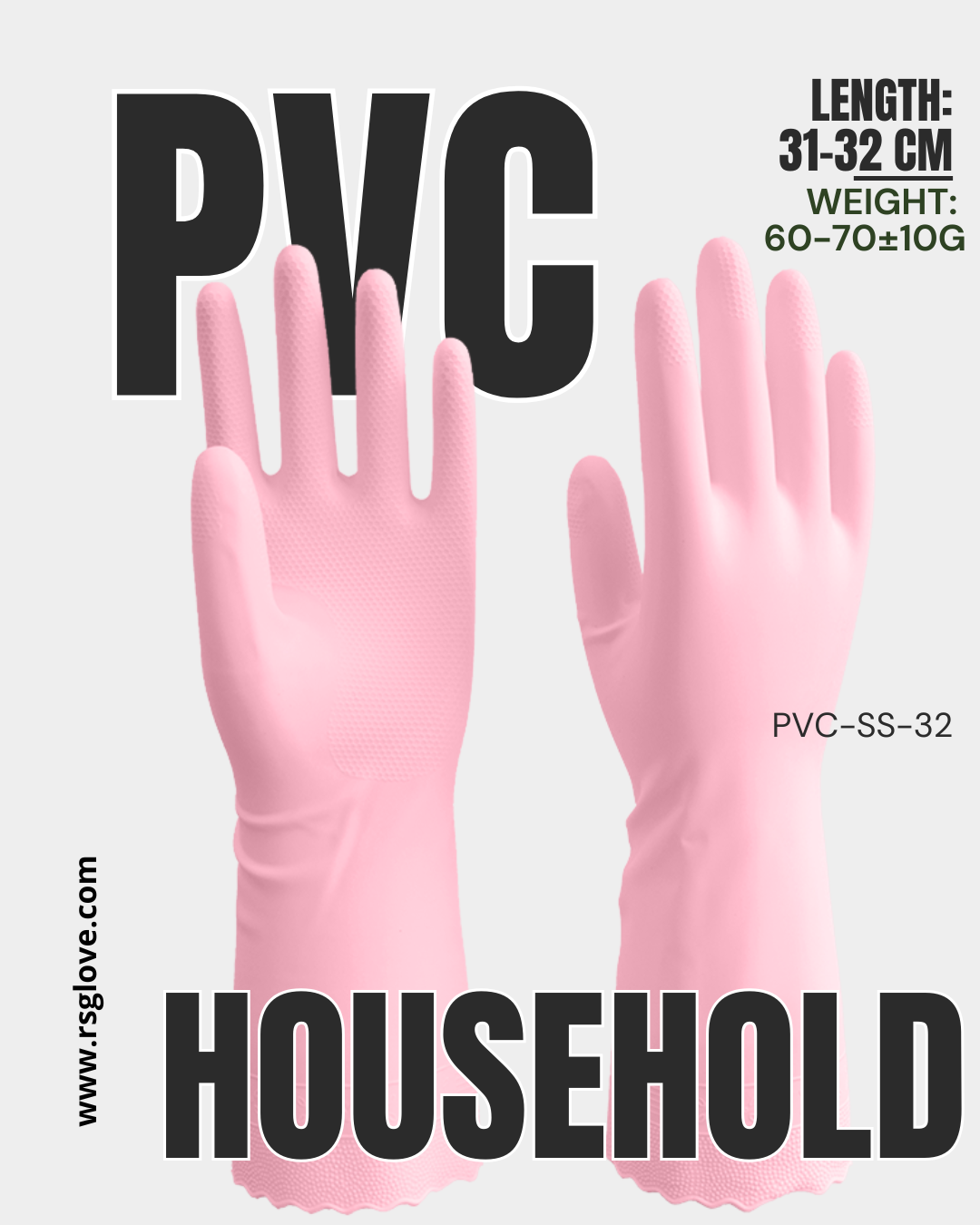
- 30% PVC: Maintain this for the “Price-Point” shopper who needs a simple, waterproof solution for light tasks.
FAQ (For Global Importers)
Q: Is Nitrile or Vinyl better for an e-commerce “Home Cleaning Kit”?
A: Definitely Nitrile. Its perceived value is much higher, it photographs better (especially in bicolor designs), and the lower return rate (due to high durability) protects your e-commerce margins.
Q: Can we customize the thickness (mil) for both materials?
A: Yes. As a 20-year factory, we can adjust the dipping duration to create “lightweight” retail variants or “heavy-weight” professional variants for either material.
Q: Are PVC gloves safe for food handling?
A: Yes, provided they are manufactured with food-grade plasticizers. Our PVC household gloves are tested to meet FDA standards, making them a great budget choice for commercial food prep.
Closing + CTA: Optimize Your Catalog with RSGlove
Stop guessing which material your customers want—stock both and guide them with expertise. Partner with Guangzhou Red Sunshine to secure a supply of high-performance Nitrile and reliable PVC gloves that keep your brand at the top of the market.
Ready to compare our Nitrile and PVC samples?