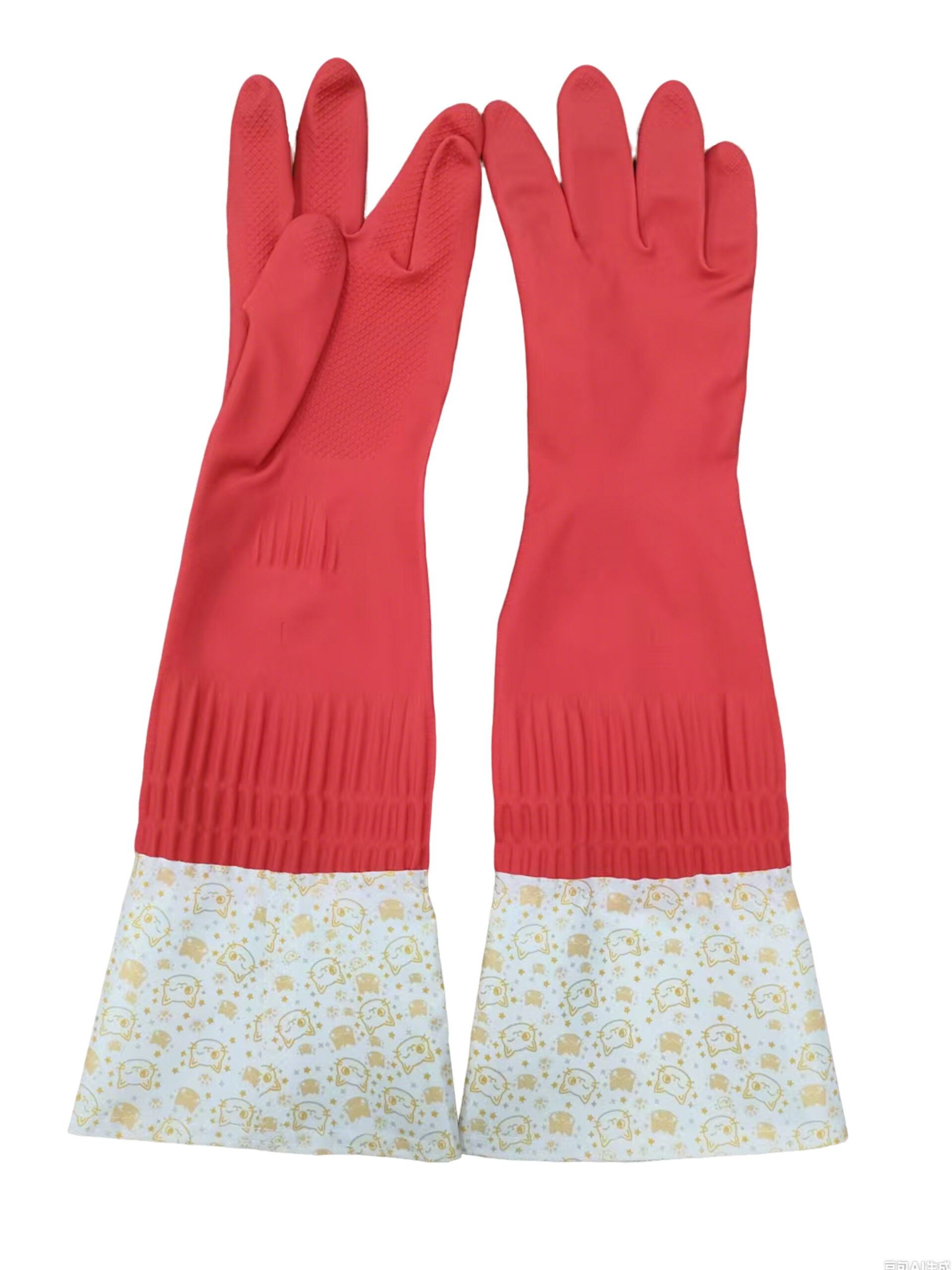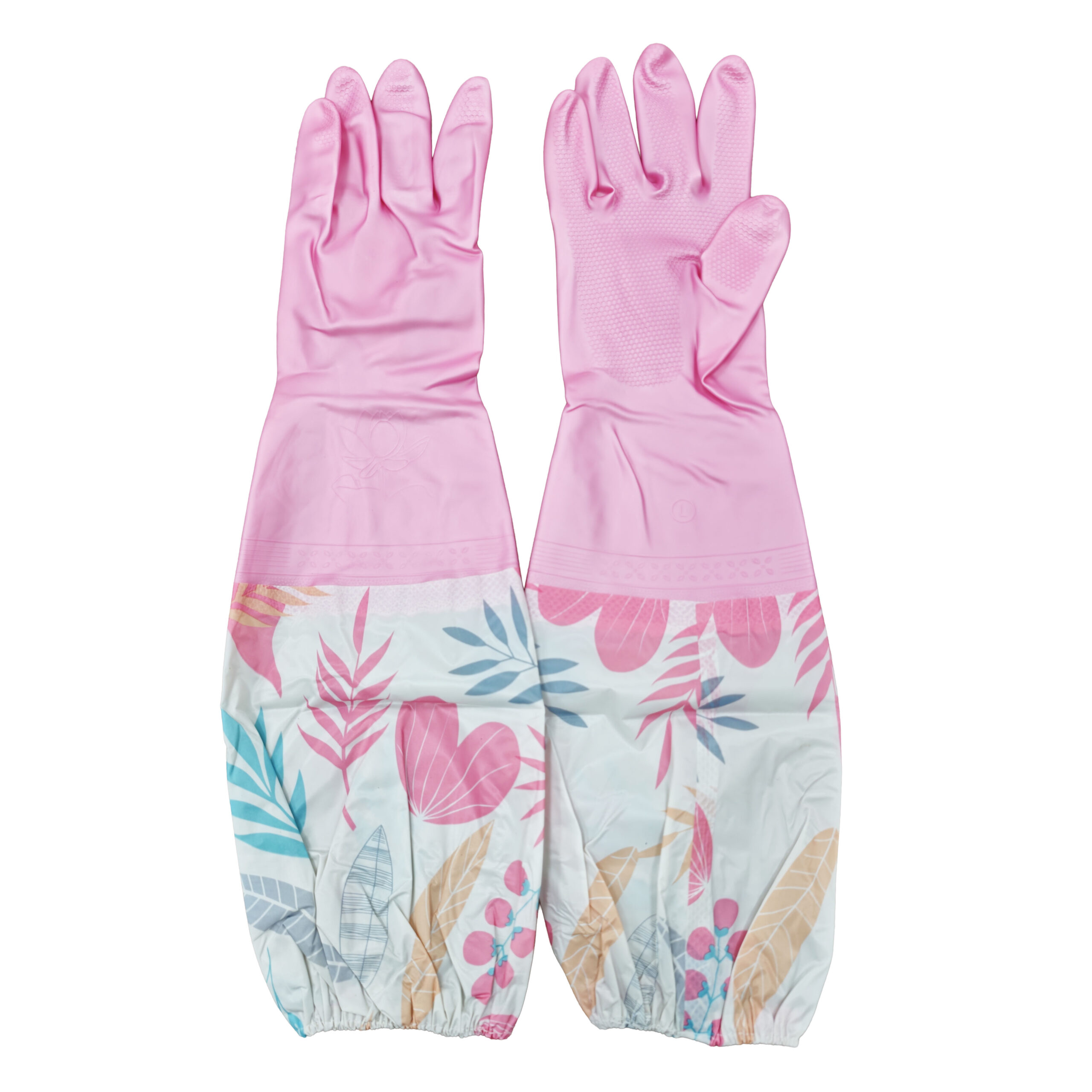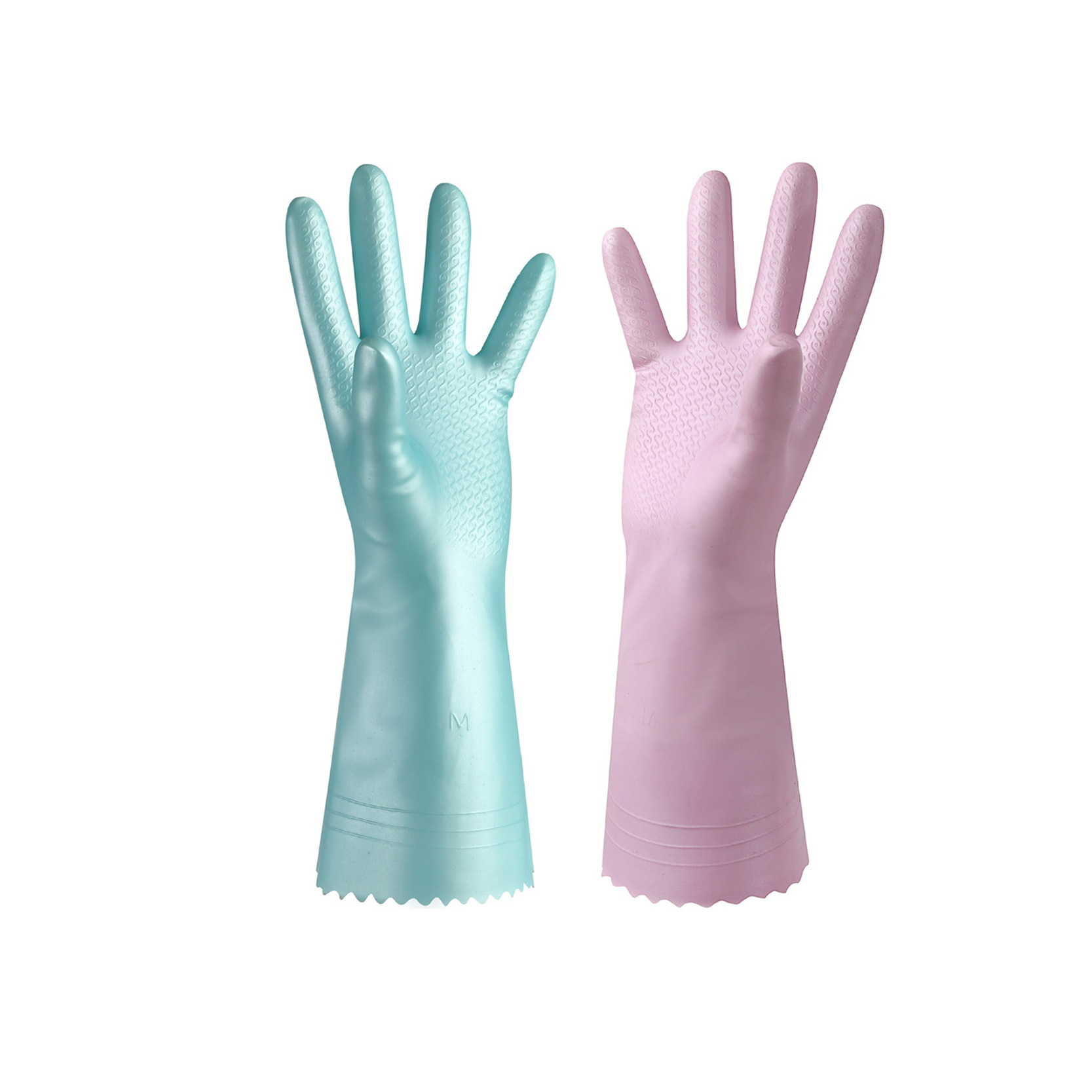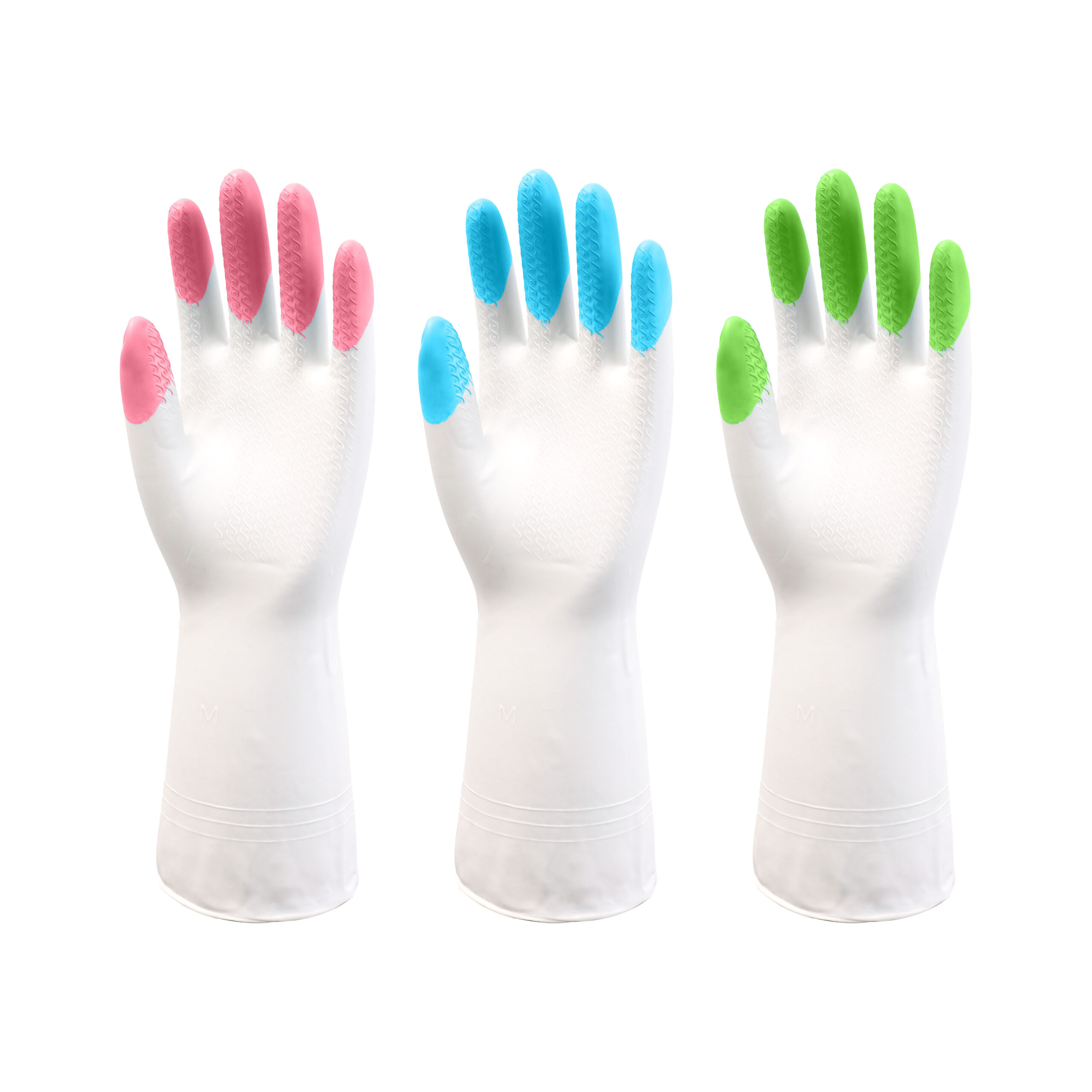
Introduction
In today’s world, protective gloves are an essential accessory for a wide range of activities, from household chores to industrial tasks and healthcare applications. The choice of glove material can significantly impact safety, comfort, and efficiency. This article provides a comprehensive comparison of three commonly used types of gloves: latex gloves, nitrile gloves, and PVC gloves. Each material has its unique properties, benefits, and drawbacks that suit different purposes. Understanding these differences will help you make an informed decision on which type of glove to choose for your specific needs.
Material Properties
Latex Gloves

Latex gloves are made from natural rubber latex, which is a biodegradable material derived from rubber trees. They are known for their excellent elasticity, comfort, and dexterity. The snug fit of latex gloves allows for a high degree of tactile sensitivity, making them ideal for tasks that require precision, such as medical examinations and intricate assembly work. However, latex gloves can cause allergic reactions in some individuals, which is an important consideration when selecting gloves.
In addition to comfort, latex gloves are resistant to a variety of chemicals, though not all. They are particularly effective against biological hazards, making them popular in the healthcare industry. However, they are not recommended for prolonged exposure to oil-based substances, which can degrade the material.
Nitrile Gloves
Nitrile gloves are made from synthetic rubber and are designed to mimic the properties of latex without the associated allergens. They are highly resistant to punctures and tears, making them an excellent choice for heavy-duty tasks. Nitrile gloves also offer good chemical resistance, particularly against oils and certain solvents, which makes them suitable for automotive and industrial applications.
Another significant advantage of nitrile gloves is their ability to provide a better grip under wet or oily conditions. This feature enhances safety in environments where slippery materials are handled. Furthermore, nitrile gloves are available in various thicknesses, which allows users to choose the level of protection suitable for their specific tasks.
PVC Gloves

PVC, or polyvinyl chloride, gloves are made from synthetic plastic polymers. They are often more affordable than latex and nitrile gloves, making them an economical choice for many applications. However, PVC gloves offer less flexibility and sensitivity compared to their latex and nitrile counterparts. This can make them less suitable for tasks that require fine motor skills.
Protection Levels
Latex Gloves
Latex gloves provide a high level of protection against biological hazards, making them ideal for medical professionals. They act as a barrier against pathogens and bodily fluids, which is critical in preventing infections. However, their chemical resistance is not universal; certain solvents and oils can weaken the material, reducing protective qualities.
Due to their susceptibility to tears and punctures, the protection level of latex gloves can vary based on the thickness and quality. For tasks involving potentially hazardous materials, using thicker latex gloves can enhance safety. Users must also consider allergies, as latex sensitivity can compromise protection if worn by an allergic individual.
Nitrile Household Gloves
Nitrile gloves offer robust protection against punctures, cuts, and a wide range of chemicals, making them suitable for various tasks. Their durability is particularly beneficial in industrial or automotive settings where the risk of exposure to harmful substances is higher. The excellent grip provided by nitrile gloves enhances safety when handling slippery objects.
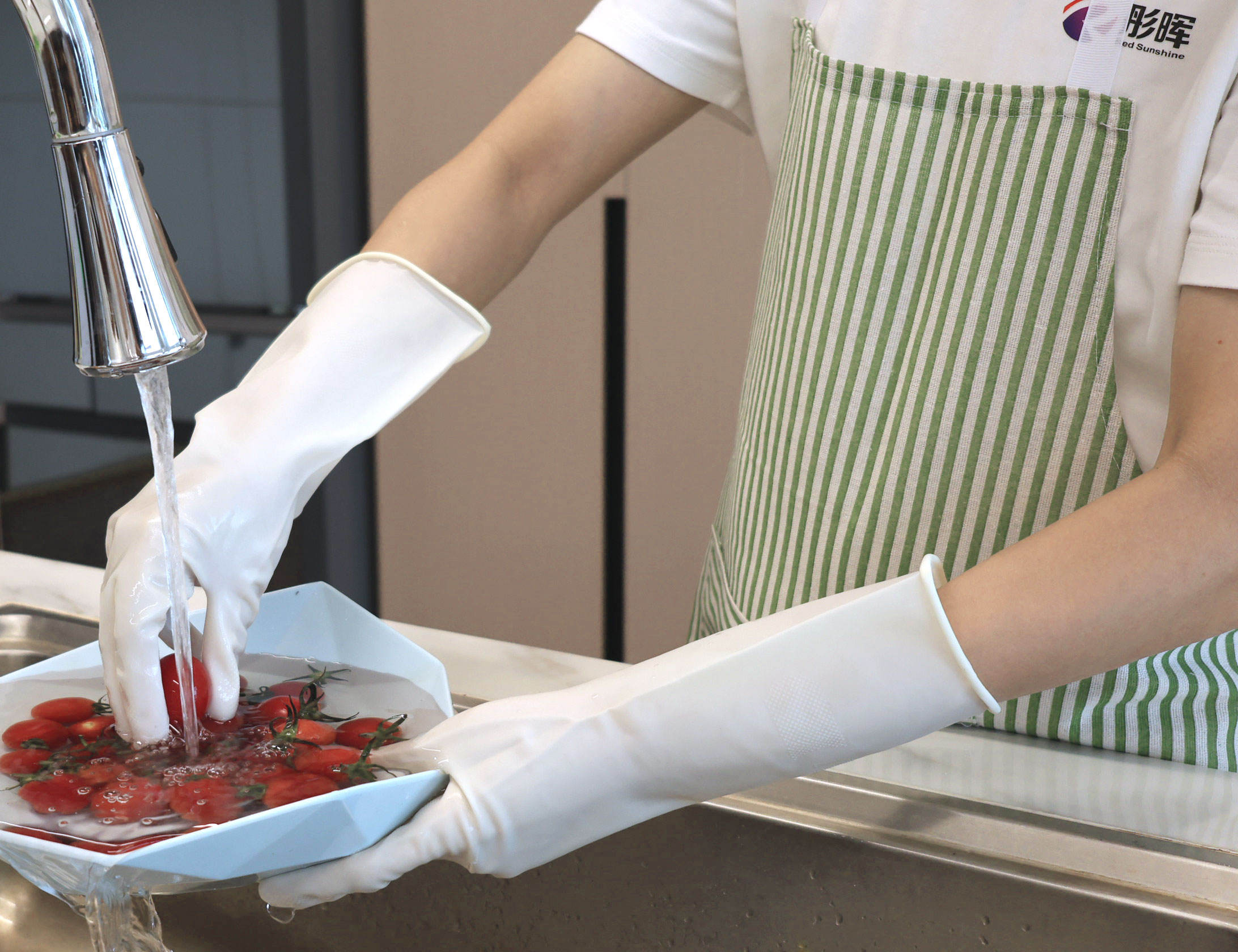
In household settings, nitrile gloves can effectively protect against cleaning agents, oils, and other chemicals typically found around the home. They are also less likely to cause allergic reactions, making them a safer option for individuals sensitive to latex. This versatility and safety make nitrile gloves a popular choice for both professionals and DIY enthusiasts.
PVC Household Gloves
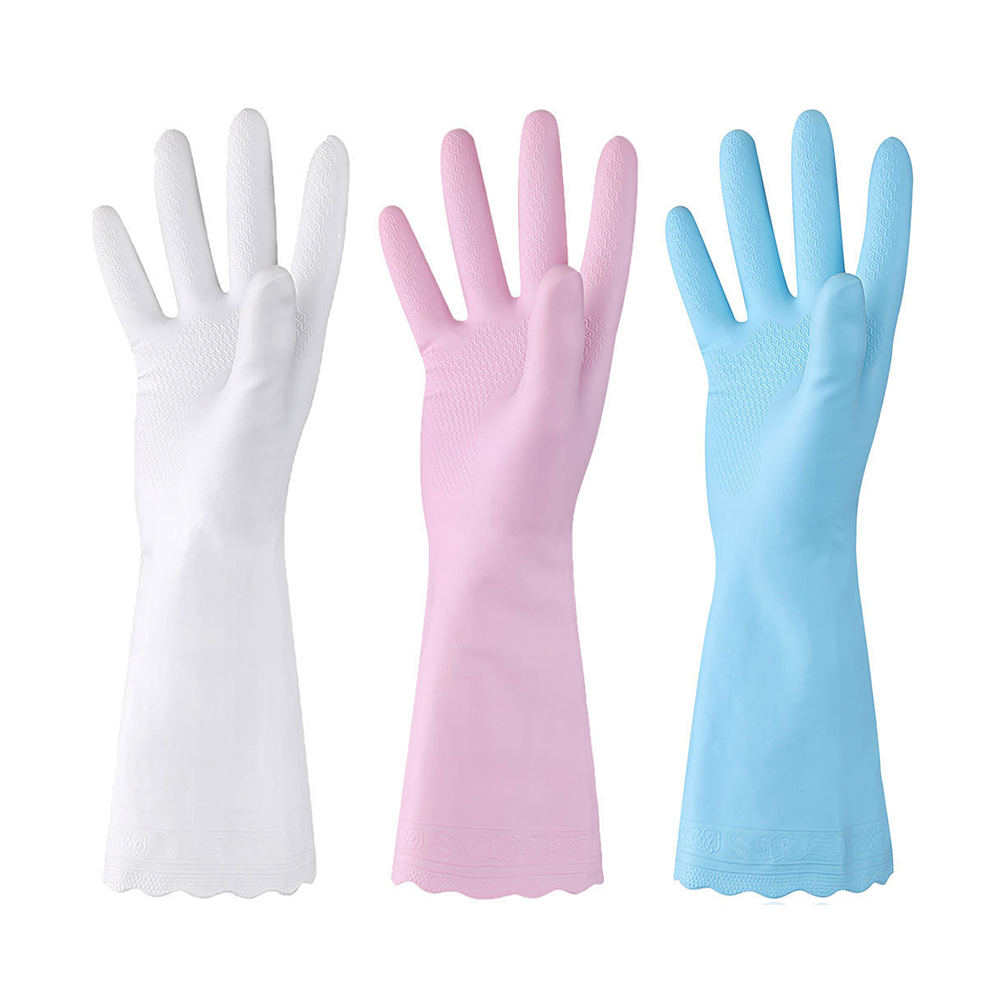
PVC gloves provide a basic level of protection suitable for light household tasks, such as washing dishes or handling non-hazardous materials. They are resistant to certain chemicals, but their effectiveness can degrade over time with exposure to harsh substances. As a result, while they serve well for general cleaning tasks, they may not be reliable for more demanding applications that require superior protection.
While PVC gloves are suitable for light-duty applications, they can wear out more quickly than latex or nitrile gloves. Users should consider this when selecting gloves for extended or rigorous tasks. Furthermore, the reduced tactile sensitivity may limit their use in activities requiring fine motor skills.
Glove Functions
Latex Gloves
Latex gloves excel in functions requiring high sensitivity and dexterity, making them indispensable in healthcare settings. Medical professionals often rely on latex gloves for examinations and surgical procedures, where tactile feedback is crucial. The elasticity of latex provides a comfortable fit, allowing the wearer to perform delicate tasks effectively.
Moreover, latex gloves are often used in the food industry, where hygiene is paramount. Their ability to conform to the hand’s shape ensures minimal interference during food handling. However, given the potential for allergic reactions, many food service establishments are moving towards nitrile or vinyl alternatives.
Nitrile Household Gloves
Nitrile gloves serve multiple functions in household settings, from cleaning and gardening to automotive work. Their puncture resistance and chemical durability make them versatile for various tasks. Users can handle cleaning agents, oils, and solvents without worrying about glove integrity, which can be a concern with latex and PVC options.
In addition, nitrile gloves are increasingly being used in food preparation environments, where the absence of latex allergies is a significant advantage. Their grip and tactile sensitivity, while not as high as latex, are adequate for many everyday tasks, making them a popular choice for consumers seeking reliable protection.
PVC Household Gloves
PVC gloves are primarily used for basic household chores such as washing dishes or general cleaning. Their waterproof nature prevents hands from getting wet, which is particularly useful when working with soapy water. However, due to their limited flexibility and sensitivity, they are not the first choice for tasks requiring precision.
While PVC gloves can protect against minor irritations and splashes, they lack the robust protection offered by nitrile or latex. Therefore, users should reserve PVC gloves for lighter duties where exposure to hazardous substances is minimal. The affordability of PVC gloves makes them appealing for casual use, but it is essential to understand their limitations in performance.
Applications
Domestic Use
In domestic environments, gloves play a vital role in protecting hands from chemicals, allergens, and pathogens. For everyday tasks like washing dishes, cleaning bathrooms, or gardening, the choice of gloves can significantly affect the user’s experience. Latex and nitrile gloves are often favored for tasks requiring dexterity and chemical resistance, while PVC gloves can be adequate for lighter duties.
As consumers become more aware of health and safety standards, the demand for high-quality gloves has increased. Many households now opt for nitrile gloves due to their versatility and resistance to allergens. This shift reflects a broader trend towards prioritizing safety and comfort in domestic environments.
Industrial Use
In industrial settings, the choice of gloves is driven by the need for durability, protection, and functionality. Nitrile gloves are often preferred in industries such as manufacturing, automotive, and maintenance due to their puncture and chemical resistance. Their ability to withstand harsh conditions makes them suitable for a variety of tasks, from handling heavy machinery to dealing with hazardous materials.
Latex gloves, while still used in some industries, are being phased out in favor of alternatives due to allergy concerns. PVC gloves, while inexpensive, may not provide adequate protection for more demanding industrial applications. Therefore, caution should be exercised when selecting gloves for tasks involving potential hazards.
Healthcare Use
Healthcare settings require the highest standards of glove performance due to the risks associated with infection and exposure to pathogens. In these environments, latex gloves have traditionally been the standard choice. However, the rise in latex allergies has led many healthcare providers to adopt nitrile gloves for their excellent protective qualities and absence of allergens.
In surgical and examination settings, the tactile sensitivity of latex gloves is invaluable. Conversely, nitrile gloves offer comparable protection and are gaining acceptance in these applications. The choice of gloves in healthcare settings is critical, as it directly impacts both patient and provider safety.
Cost Effectiveness
Pricing Comparison
The cost of gloves varies significantly based on material and intended use. Latex gloves are generally more affordable than nitrile but can be more expensive than PVC gloves. Nitrile gloves, while slightly pricier, provide enhanced durability and resistance, which may justify the higher cost for professional settings.
PVC gloves are typically the least expensive option, making them appealing for casual or light-duty use. However, their limited protection and longevity may lead to increased costs in the long run due to frequent replacements. It is essential to weigh the initial cost against the functionality and durability of each glove type when making a purchase.
Durability and Longevity
Durability is a critical factor in assessing cost-effectiveness. Nitrile gloves tend to outlast both latex and PVC options due to their superior resistance to tearing and puncturing. While latex gloves can provide excellent performance, they may not withstand prolonged exposure to harsh chemicals as effectively as nitrile gloves.
PVC gloves, while cost-effective, often show signs of wear and tear after limited use. Their lower durability may lead to additional costs over time, as frequent replacements become necessary. Thus, while initial investment in PVC gloves may be lower, the long-term costs due to their shorter lifespan should be considered.
Conclusion
Choosing the right gloves for your needs involves understanding the properties, protection levels, functions, applications, and cost-effectiveness of latex, nitrile, and PVC gloves. Latex gloves offer excellent dexterity and protection against biological hazards but pose allergy concerns. Nitrile gloves provide superior durability and versatility, making them a popular choice across various industries. PVC gloves, while budget-friendly, may not offer adequate protection for all tasks.
Ultimately, the decision should be based on specific requirements, including the nature of the tasks involved, the level of risk, and budget constraints. By making an informed choice, you can ensure optimal safety and efficiency in your daily activities.
FAQs
1. Are nitrile gloves hypoallergenic?
Yes, nitrile gloves are generally considered hypoallergenic since they do not contain the proteins found in latex that can cause allergic reactions.
2. Can PVC gloves be used for food handling?
PVC gloves can be used for food handling, but they are not as commonly recommended as nitrile or latex gloves due to their lower durability and sensitivity.
3. How do I choose the right glove for cleaning tasks?
For cleaning tasks involving chemicals, nitrile gloves are usually the best choice due to their resistance to punctures and chemicals. For lighter tasks, PVC gloves may suffice.
4. Can I use latex gloves for food preparation?
Yes, latex gloves can be used for food preparation, but consider potential allergic reactions. Many food service providers now prefer nitrile gloves for safety reasons.
5. How do I store gloves to maintain their quality?
Gloves should be stored in a cool, dry place away from direct sunlight and chemicals to maintain their quality and longevity.