Intro
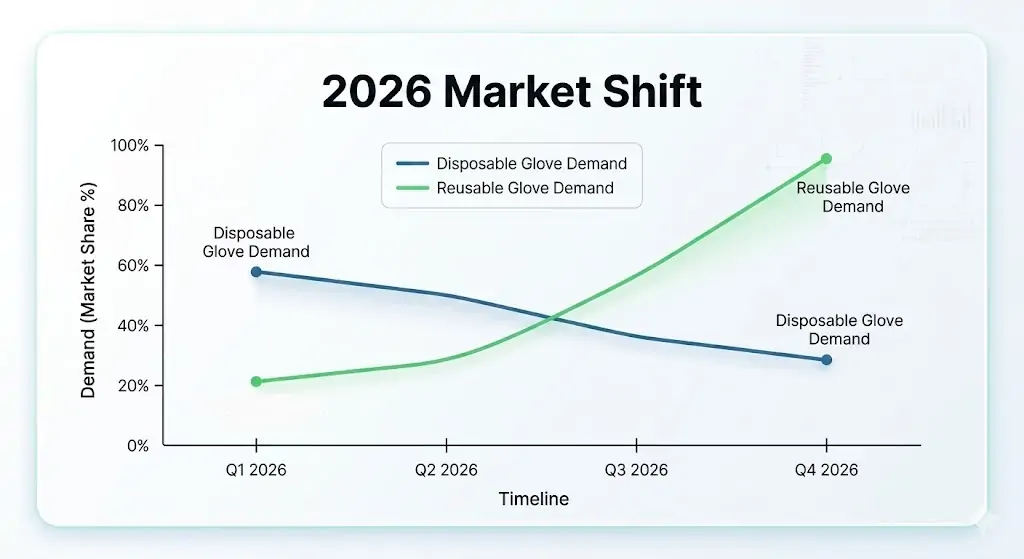
As we move into Q2 of 2026, the global rubber glove market is no longer defined by the chaotic supply shortages of the early 2020s, nor the massive oversupply crash that followed. We have entered a new era: The Era of Strategic Procurement.
At RS Glove (Guangzhou Red Sunshine), we talk to retail buyers, distributors, and e-commerce aggregators across Japan, South Korea, and Taiwan every single day. The conversations have shifted. Buyers aren’t just asking “How fast can you ship?”—they are asking “How can we stabilize our costs against currency fluctuations and volatile raw materials?”
Global natural rubber production is projected to hit 15.3 million tonnes this year, signaling a stabilization in latex supply. However, geopolitical tensions continue to make the petrochemicals required for synthetic gloves (like PVC and Nitrile) highly unpredictable.
If you are sourcing reusable household or industrial gloves for the East Asian market in 2026, a generic buying strategy will no longer protect your margins. Here is our factory-floor outlook on where the market is heading, and how smart buyers are adapting.
1. The Accelerated Shift from Disposable to Reusable
For the past decade, many light-industrial and commercial cleaning sectors defaulted to cheap, single-use disposable gloves. In 2026, that math no longer works.
Between heightened import tariffs on single-use plastics and aggressive ESG (Environmental, Social, and Governance) legislation across Japan and Korea, the cost of disposing of millions of single-use gloves has skyrocketed. We are seeing a massive B2B migration toward ultra-durable reusable rubber gloves.
Facility managers and retail buyers realize that purchasing a premium, thicker PVC or natural latex glove that lasts for 60 days is vastly more cost-effective than burning through a box of thin disposables in a week. If your 2026 catalog is heavily weighted toward disposables, you are fighting a losing battle against local waste regulations.
2. The Raw Material Tug-of-War (Latex vs. Synthetics)
In 2026, there is no single “perfect” material. Procurement teams must balance their SKUs to hedge against raw material volatility:
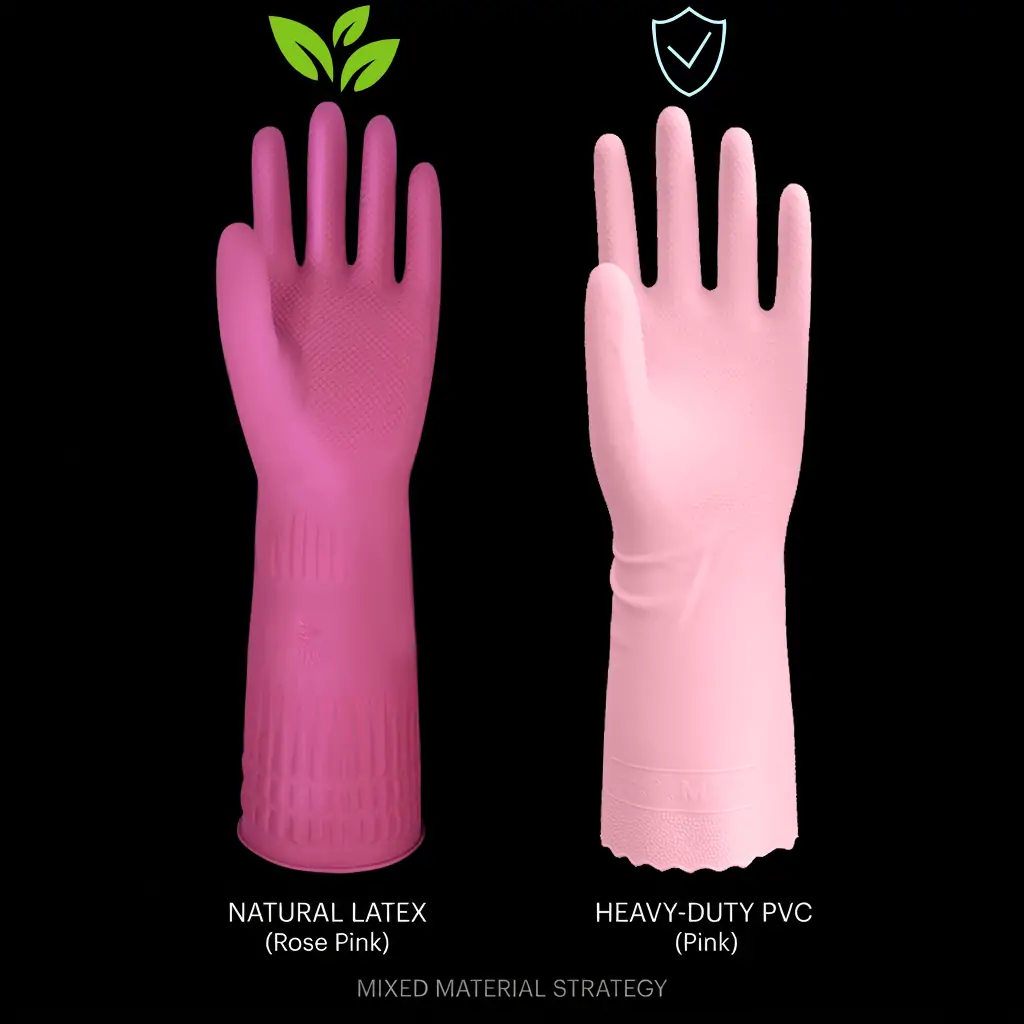
- Natural Rubber Latex: With plantation output stabilizing in Southeast Asia, natural latex offers a highly predictable cost structure. Furthermore, its inherent biodegradability makes it the ultimate choice for eco-conscious consumer brands in Japan and Taiwan.
- PVC & Nitrile (Synthetics): These remain essential for users with latex allergies or those requiring heavy chemical resistance. However, because these are petroleum-derived, sudden spikes in global energy markets immediately impact factory-gate prices.
The 2026 Playbook: We advise our OEM clients to utilize a “mixed-material” catalog. Stock high-margin natural latex gloves for your eco-friendly retail lines, and durable PVC gloves for your cost-sensitive, heavy-duty commercial clients.
3. Navigating Currency and the RCEP Advantage
You cannot talk about the 2026 market outlook without talking about macroeconomics. With the fluctuating strength of the Japanese Yen and Korean Won against the US Dollar, East Asian importers are under intense margin pressure.
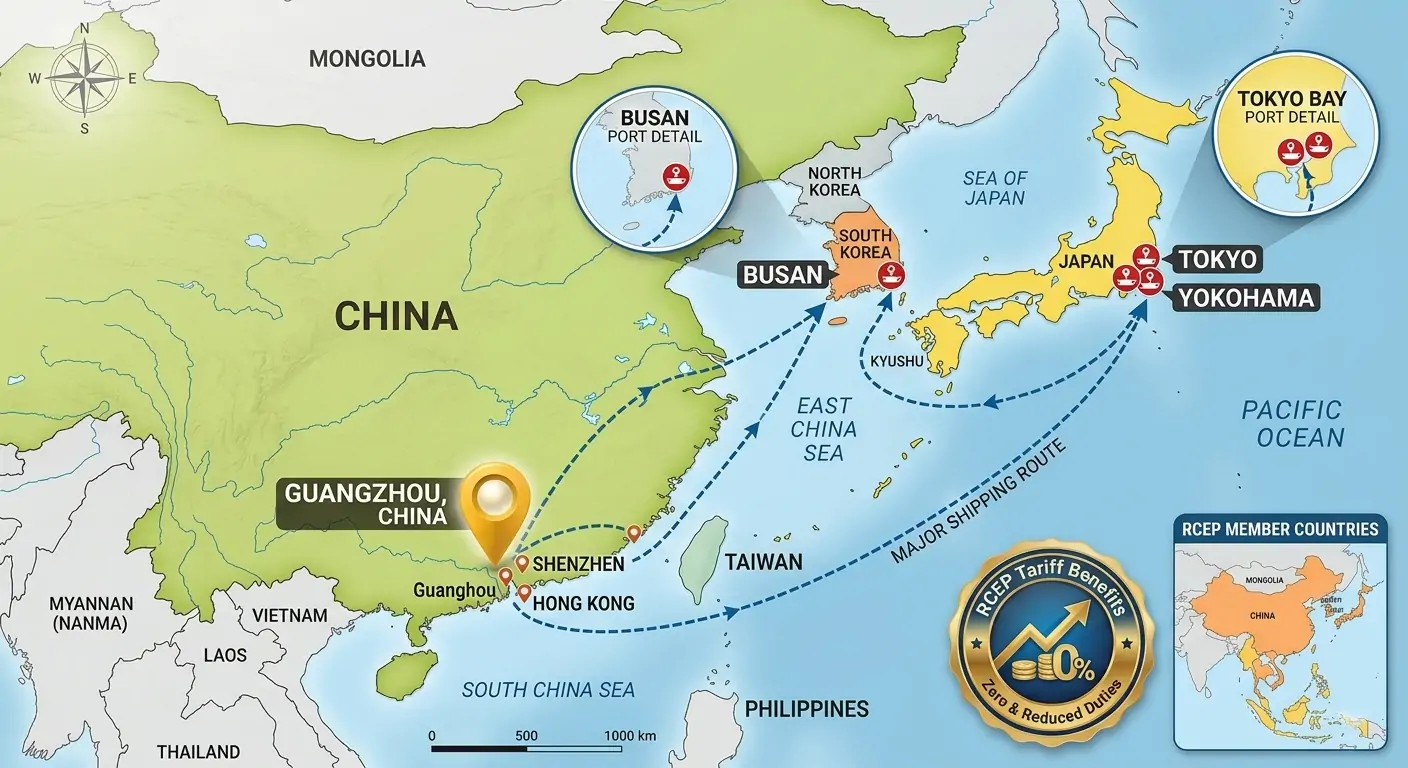
This is where regional supply chains become a competitive weapon. Sourcing from RS Glove’s Guangzhou facility doesn’t just mean fast ocean freight to Busan or Yokohama (usually under 5 to 7 days). It means leveraging the Regional Comprehensive Economic Partnership (RCEP). Smart buyers are actively consolidating their vendor lists to factories within the RCEP zone to benefit from reduced import tariffs, completely offsetting local currency weaknesses.
4. Demand for “Aesthetic Utility” is Peaking
Finally, the consumer expectation of what a rubber glove should look like has permanently changed. In 2026, utility is not enough; aesthetics drive sales.
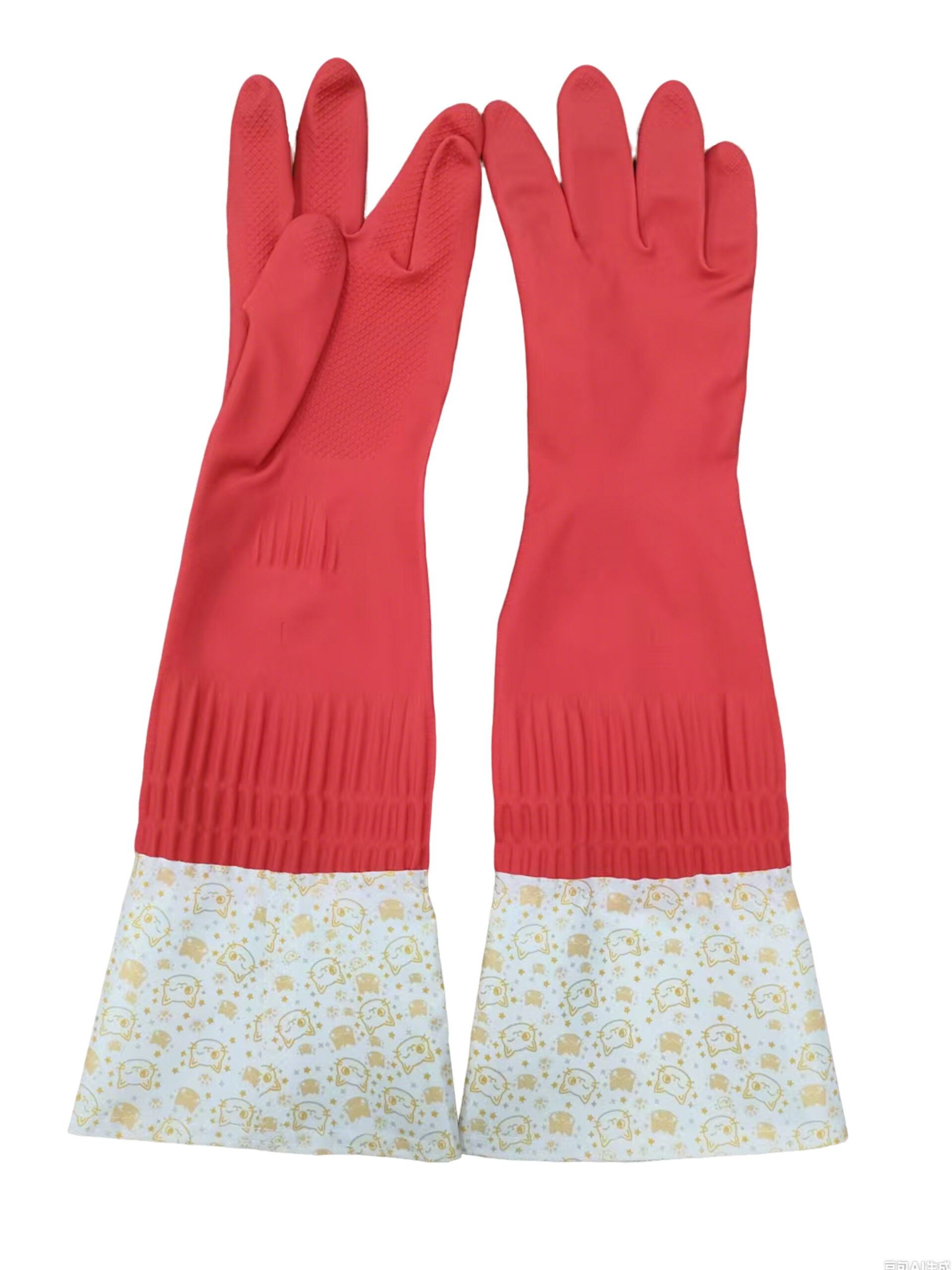
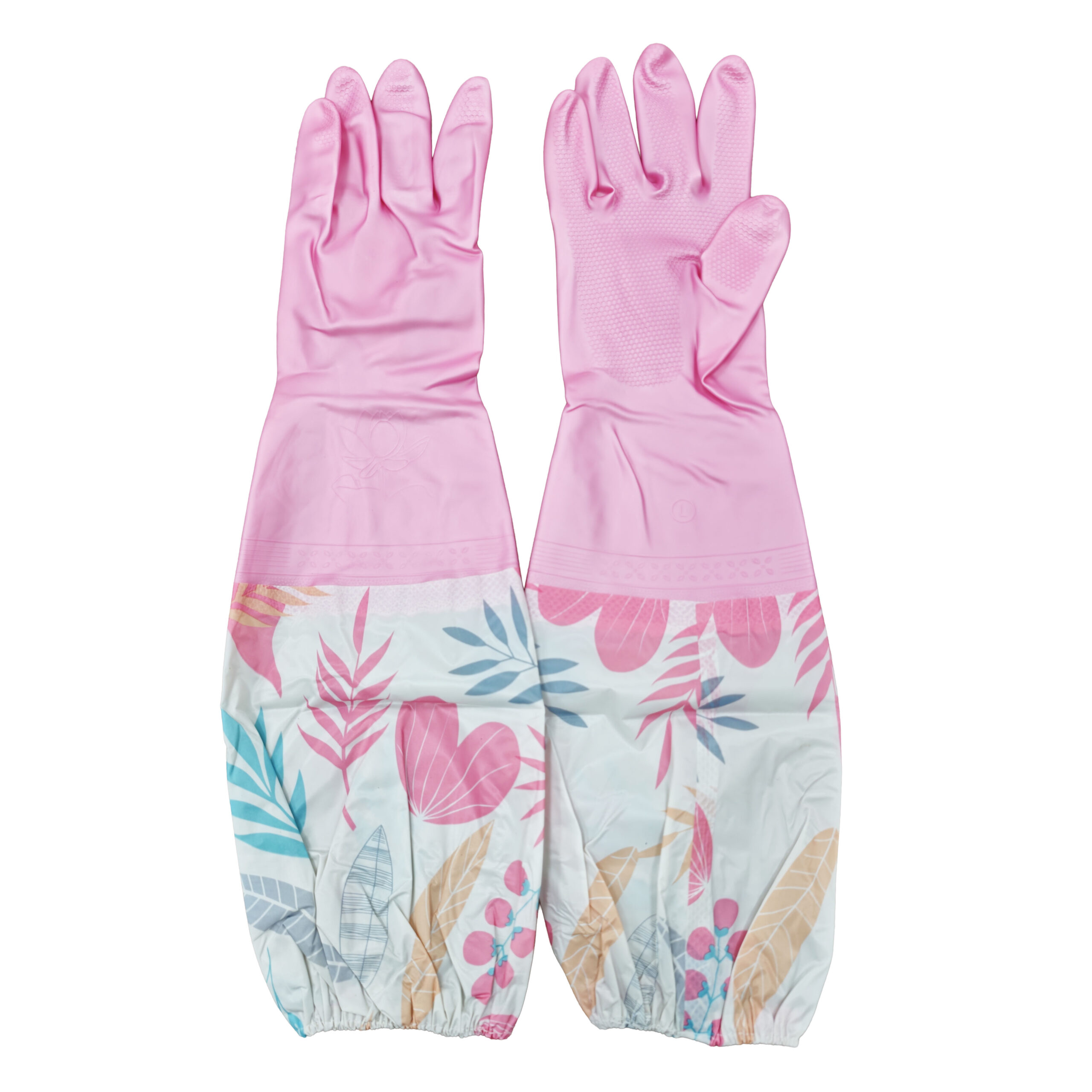
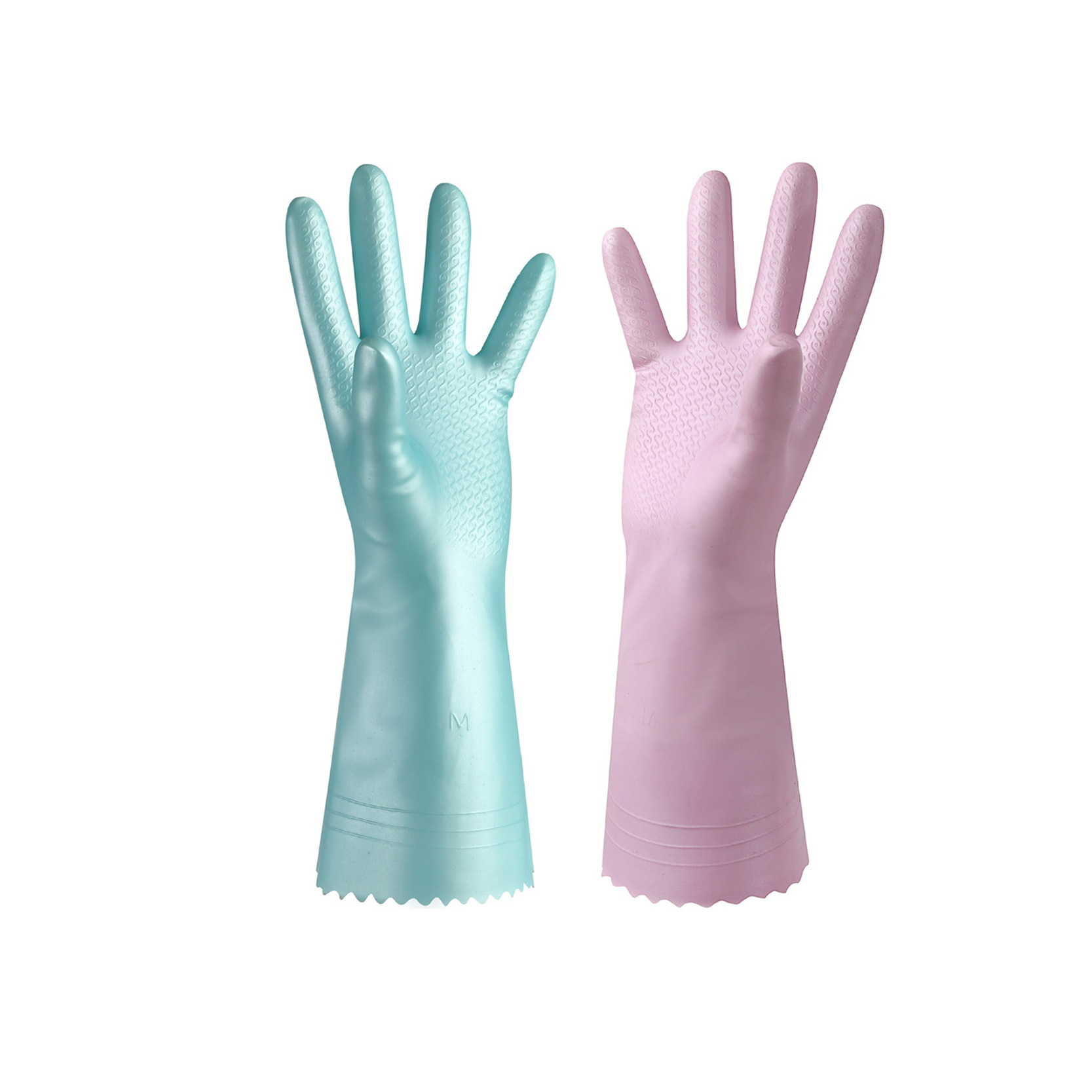
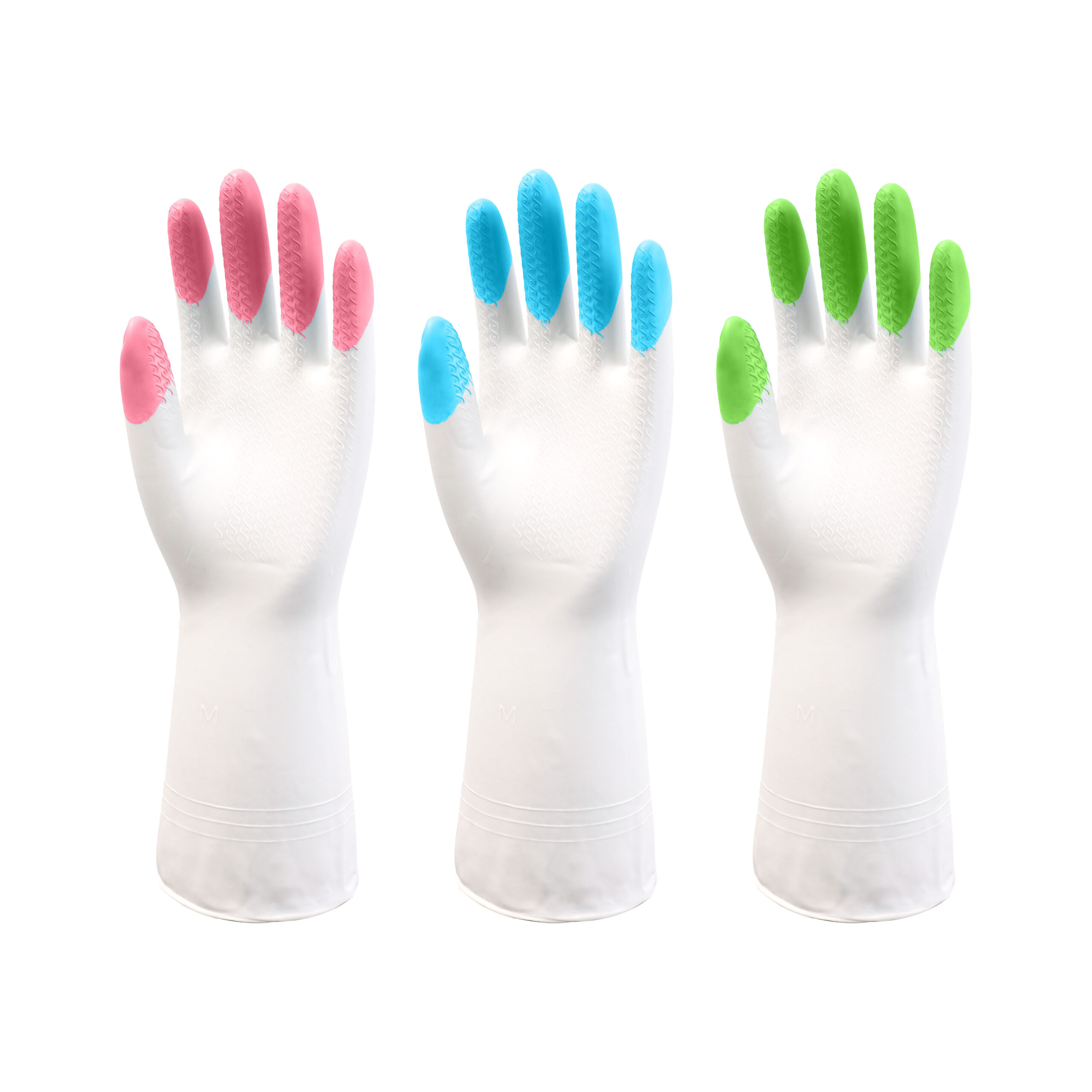
Whether it is a Korean home-shopping network or a Japanese supermarket, the demand for custom Pantone matching (soft pastels, matte blacks, minimalist whites) is at an all-time high. Buyers are moving away from factories that only offer “standard industrial yellow” and migrating toward OEM partners who can deliver retail-ready, highly branded consumer products.
Conclusion: Supplier Reliability is the New Currency
The key takeaway from our 2026 rubber glove market outlook is simple: The most successful procurement managers this year will not be the ones chasing the absolute lowest penny on a spot-market order. They will be the ones who secure a reliable, transparent manufacturing partner.
With 12 automated production lines and a daily capacity of over 300,000 pairs, RS Glove offers the scale to keep your pricing stable and the OEM flexibility to keep your brand competitive.
Are you planning your Q3/Q4 procurement strategy? [Contact RS Glove today] to discuss how we can optimize your supply chain for the East Asian market.
FAQ: 2026 Rubber Glove Procurement
Will rubber glove prices increase in 2026?
Natural latex glove pricing is expected to remain relatively stable due to steady plantation outputs. However, synthetic gloves (like PVC and Nitrile) may see price fluctuations tied directly to global petrochemical and energy costs.
Why are buyers shifting to reusable rubber gloves?
Rising inflation and strict new single-use plastic regulations (especially in Japan and South Korea) make disposable gloves too expensive to maintain and dispose of. High-quality reusable gloves offer a much lower total cost of ownership for both households and commercial facilities.
How does the RCEP agreement affect glove imports to Japan and Korea?
Because China, Japan, and South Korea are all members of the RCEP trade pact, importing manufactured rubber gloves from our Guangzhou factory allows buyers to benefit from significantly lowered or eliminated import tariffs, improving overall profit margins.