Intro
If you have ever tried to supply consumer goods to a Japanese retailer, you already know the golden rule: “Almost perfect” is a defective product.
The Japanese market is arguably the most quality-driven, meticulous retail environment in the world. Whether you are stocking the shelves of major supermarkets like Aeon, home goods stores like Nitori, or supplying Japan’s rapidly expanding Kaigo (nursing and elderly care) sector, your household rubber gloves must be flawless.
At RS Glove (Guangzhou Red Sunshine), we export heavily to the Japanese market. We know firsthand that Japanese procurement managers do not just hunt for the lowest price; they hunt for absolute consistency. The gatekeeper to this consistency is compliance with JIS (Japanese Industrial Standards).
Here is a factory-floor guide on how successful importers, brands, and OEM suppliers meet Japanese quality expectations for reusable household gloves in 2026.
1. Understanding JIS for Household Gloves
While formal JIS certification (the actual stamp on the product) is not legally mandatory for every single type of household glove, major Japanese buyers use JIS benchmarks as their strict baseline for procurement.
When buyers ask if our gloves meet Japanese standards, they are usually referring to JIS T 8116 (guidelines for general protective gloves) combined with Japan’s strict Food Sanitation Law (Shokuhin Eisei Ho).
To pass these benchmarks, an OEM glove must pass rigorous third-party testing in three areas:
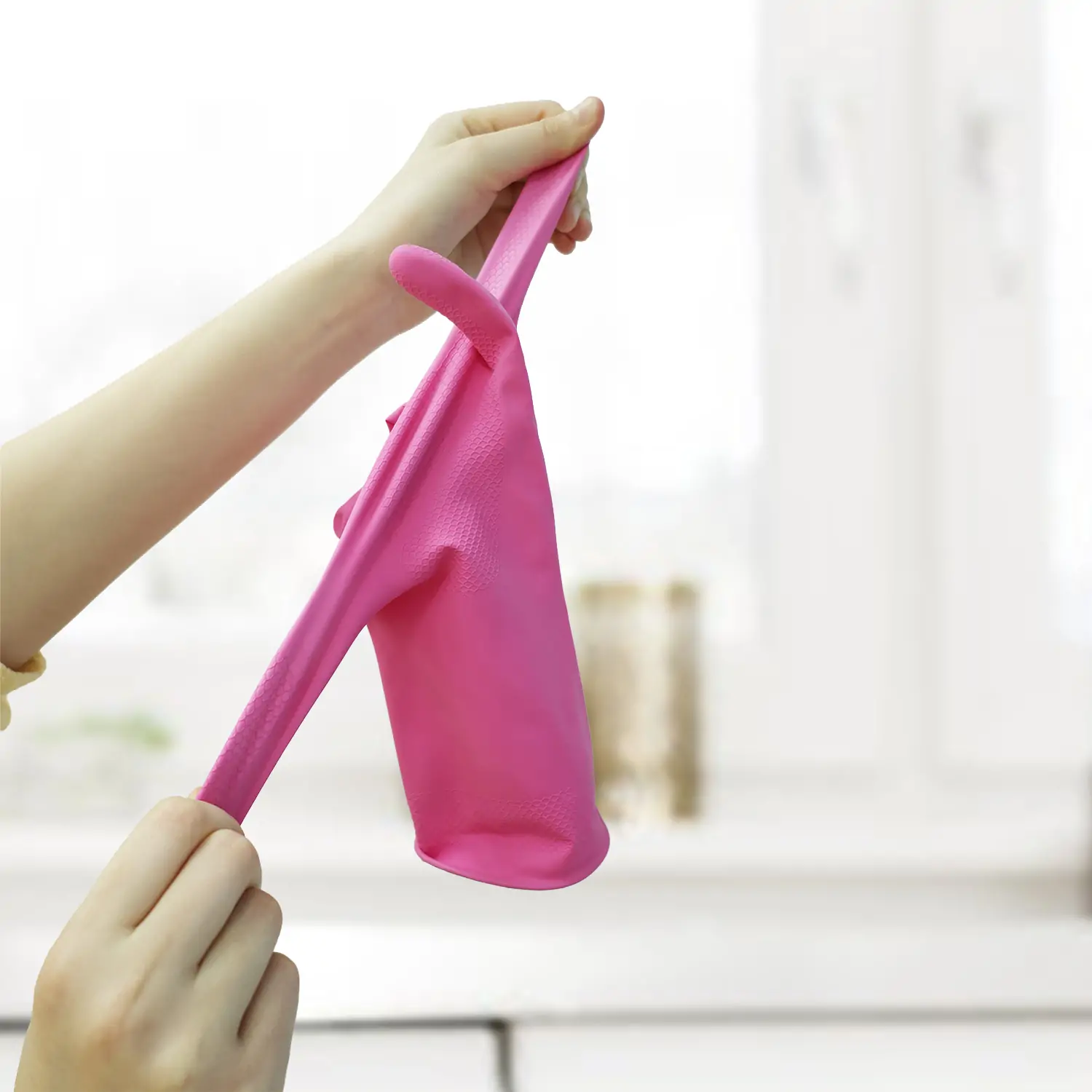
- Physical Strength (Tensile & Elongation): Japanese consumers use household gloves for heavy scrubbing. The gloves must meet strict tensile strength thresholds before and after aging tests to ensure they won’t tear under pressure.
- Pin-Hole Testing (AQL Standards): Japan has zero tolerance for leaks. While a standard market might accept an AQL (Acceptable Quality Level) of 2.5 or 4.0, Japanese buyers often demand a much stricter AQL of 1.5 or lower for waterproof integrity.
- Food Contact Safety: Because household gloves in Japan are heavily used for washing dishes and preparing food, the materials (whether Natural Latex, PVC, or Nitrile) must be entirely free of toxic plasticizers, heavy metals, and harmful chemical residues.
2. The “Zero Defect” Quality Control Culture
You can pass a JIS test in a laboratory once, but Japanese buyers care about what happens on the production line every single day.
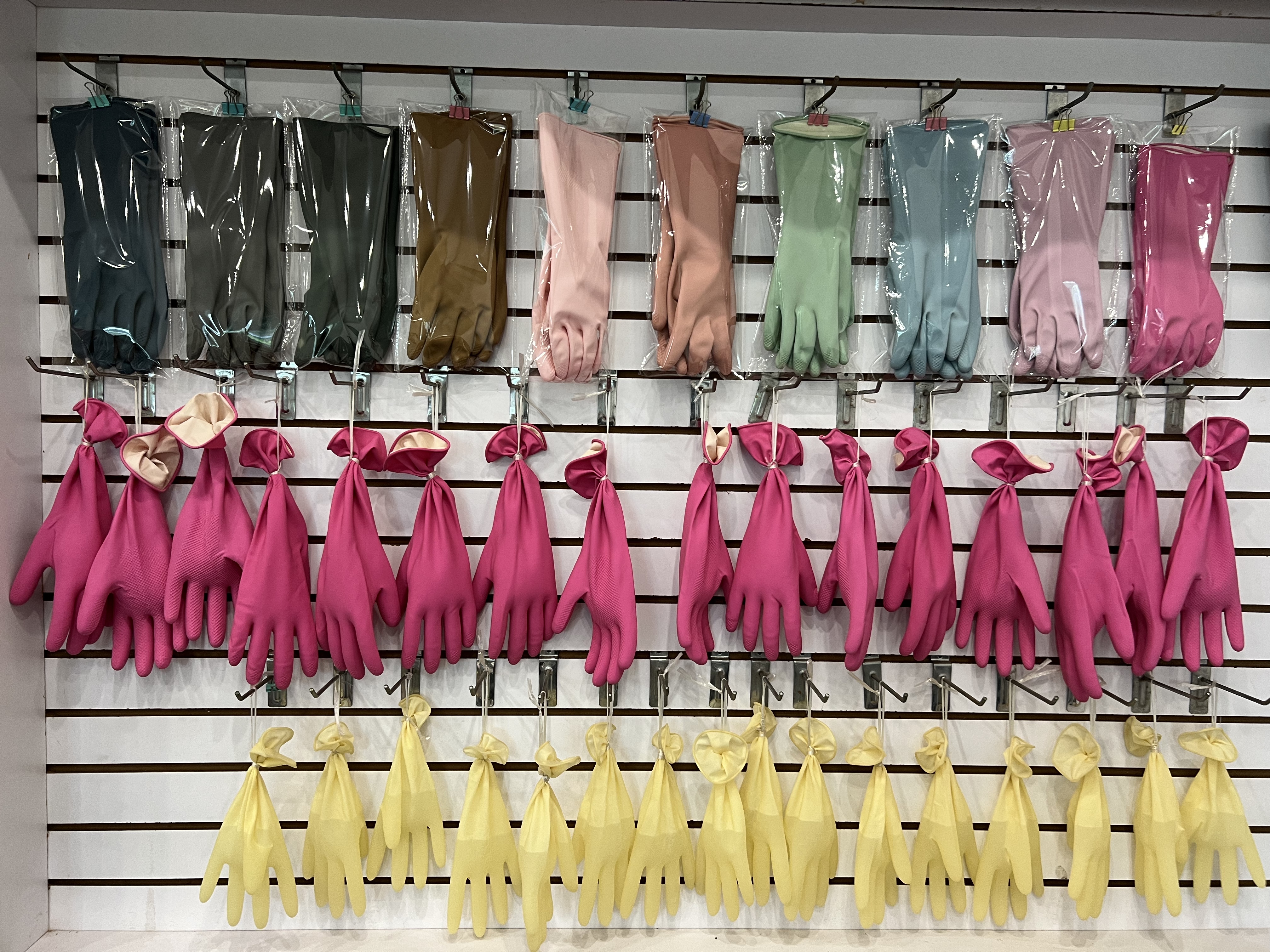
In Japan, trust is built slowly. Buyers will audit your factory’s Quality Management System (QMS) before they ever sign a purchase order. They want to see ISO 9001 compliance, strict batch-tracking, and a clean facility.
At RS Glove, we support our Japanese clients through a highly controlled manufacturing process across our 12 production lines. Our quality control teams conduct continuous visual inspections, water-leak tests, and thickness measurements throughout the day. By maintaining our self-owned factories rather than outsourcing to sub-contractors, we guarantee the batch-to-batch consistency that Japanese importers demand.
3. Material Selection for the Japanese Consumer
Meeting Japanese standards also means understanding local consumer pain points. Japan’s humid summers and cold winters require specific material properties:
- Low-Protein Natural Latex: Japanese consumers are highly aware of latex allergies. To succeed with natural rubber gloves, the factory must use advanced leaching (washing) processes to reduce extractable proteins to an absolute minimum, ensuring skin safety.
- Phthalate-Free PVC: For buyers sourcing PVC household gloves, ensuring the formulation is free from restricted phthalates is a strict requirement for Japanese customs and retail compliance.
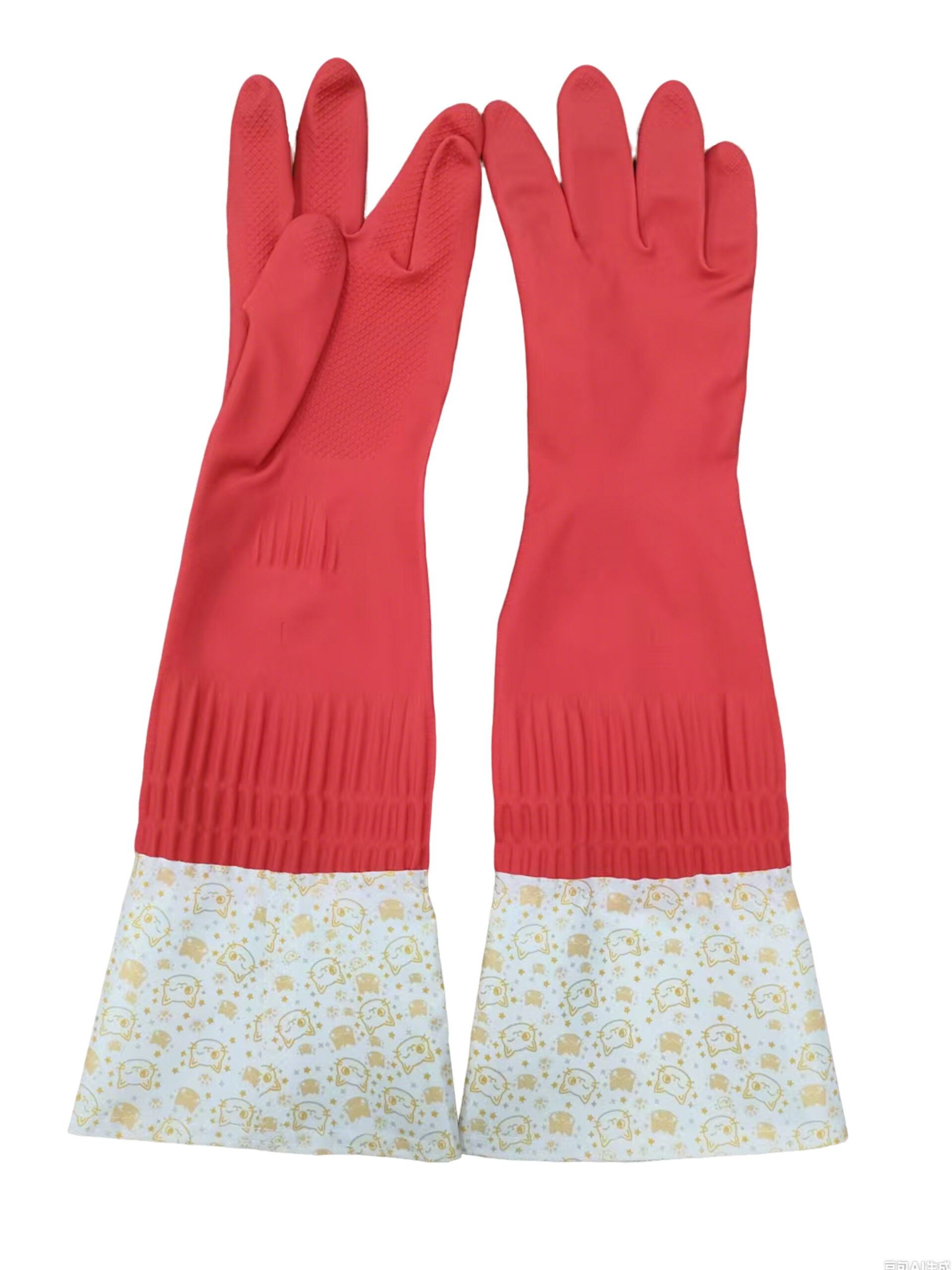
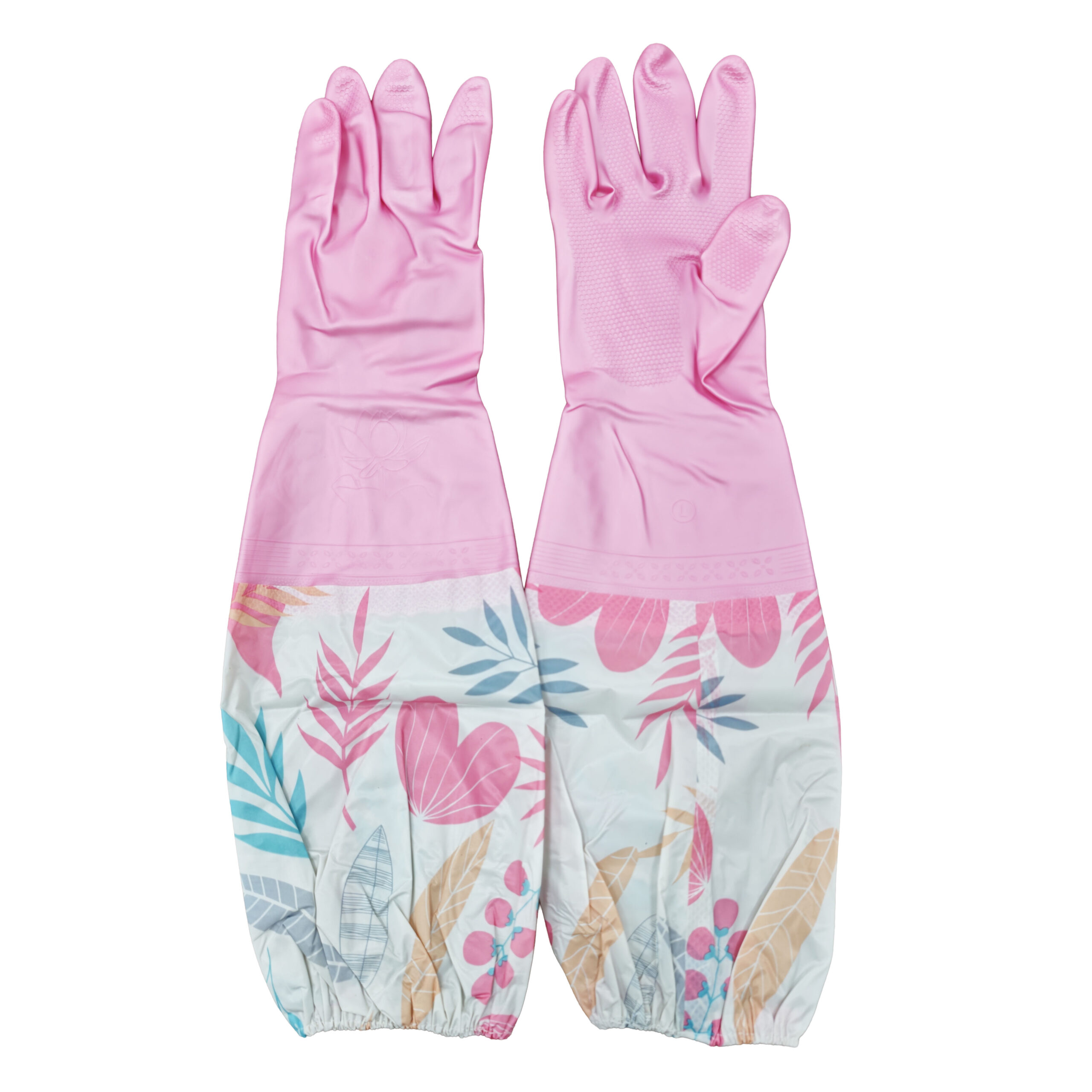
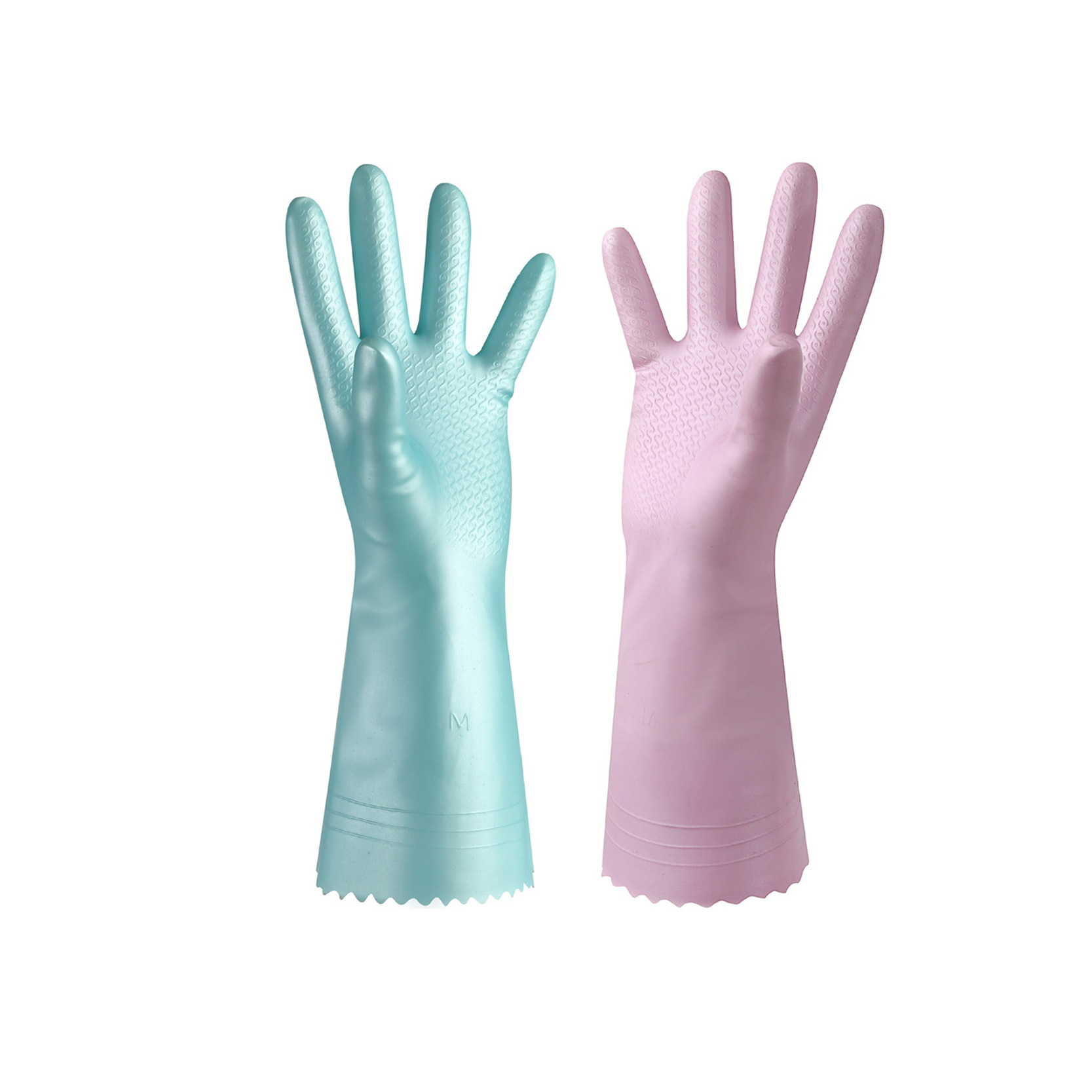
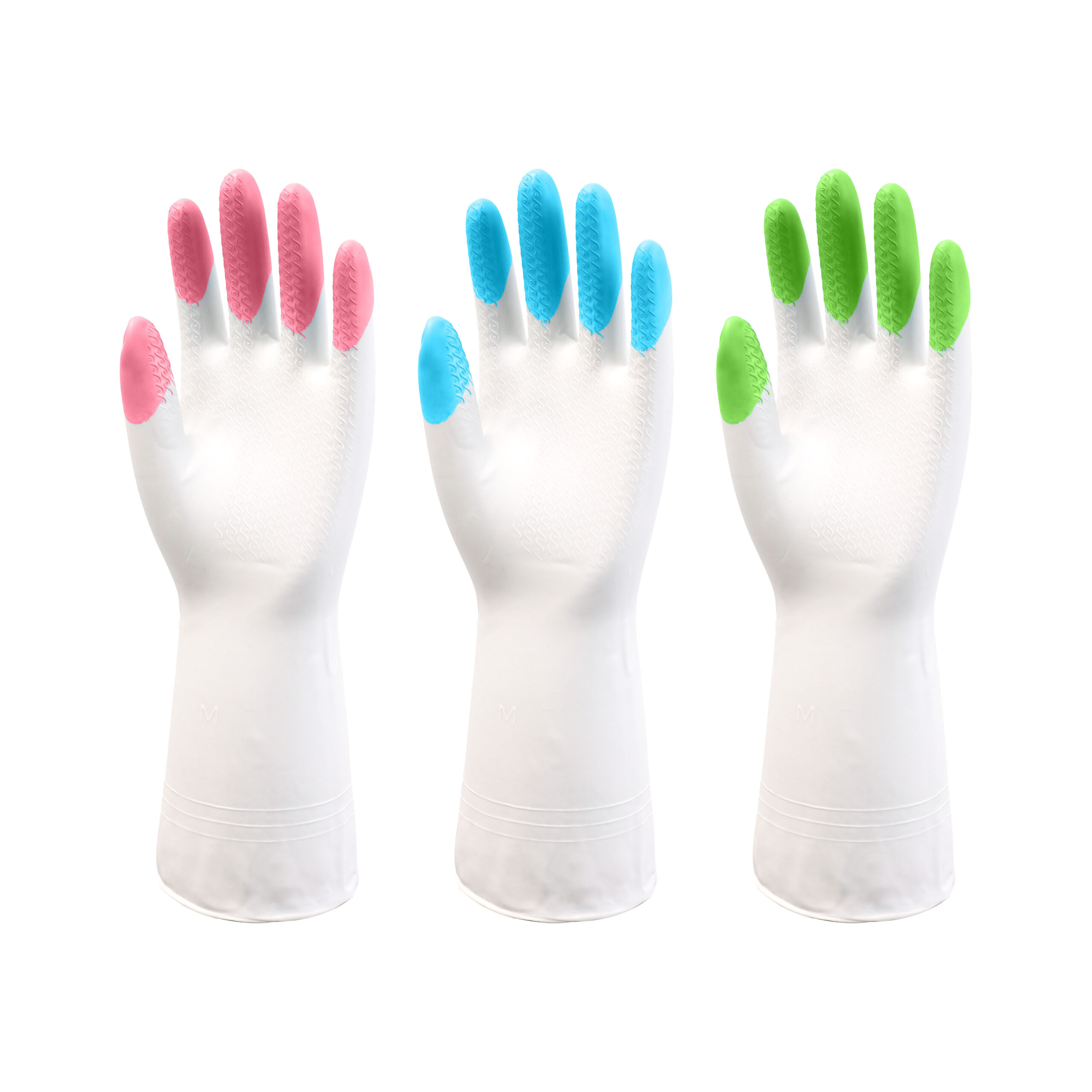
- Flock-Lining for Comfort: Because of the humid climate, Japanese buyers heavily favor gloves with a high-quality, sweat-absorbing cotton flock lining. The lining must be evenly distributed and firmly bonded so it doesn’t peel off onto the user’s hands.
4. The Unseen Standard: Packaging Perfection
In many markets, a slightly wrinkled cardboard box or a scratched polybag is acceptable as long as the glove inside is fine. In Japan, a wrinkled box is a defective product.
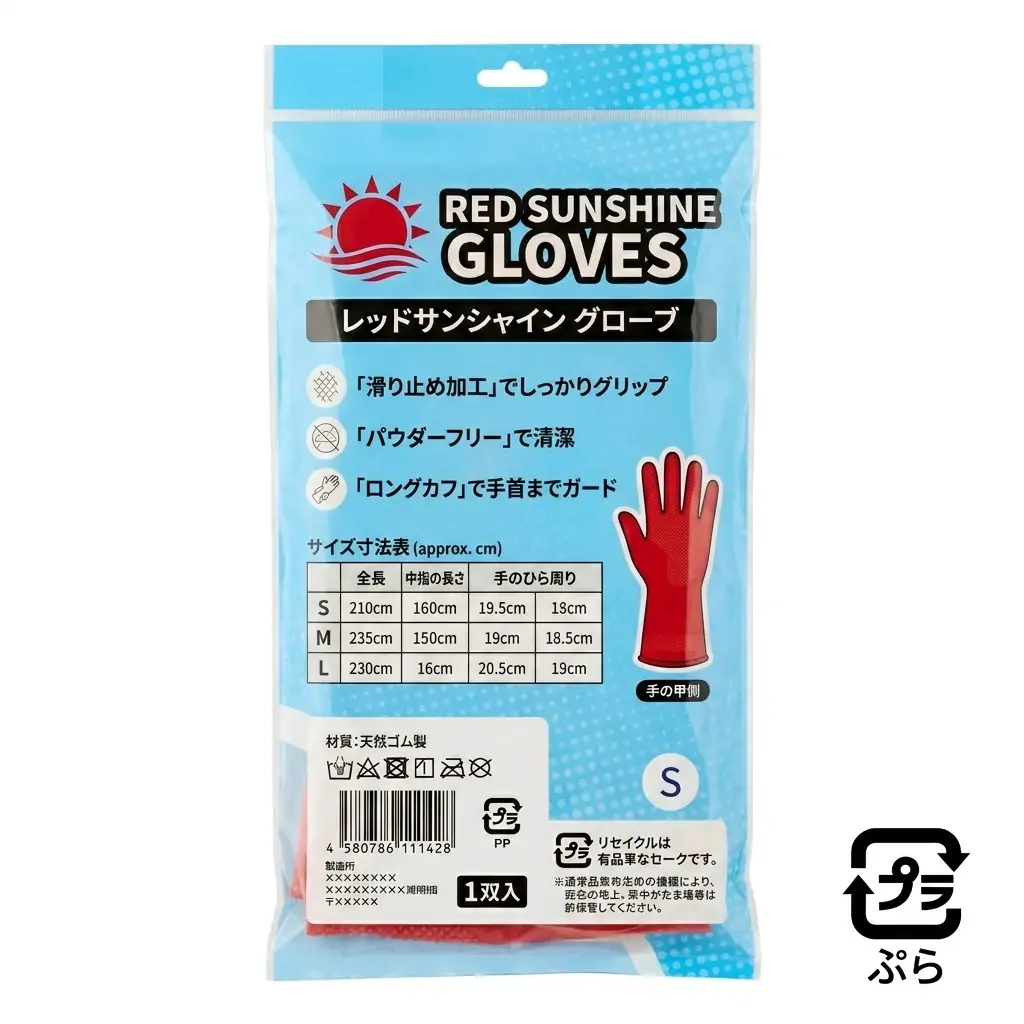
Packaging must be pristine. Japanese buyers expect clean, minimalist designs with hyper-accurate sizing charts, clear material disclosures, and proper recycling sorting symbols (the Pura or Kami marks).
As an end-to-end OEM supplier, RS Glove handles this internally. We provide precision-printed OPP header bags, twin-pack sleeves, and master cartons that arrive at ports in Yokohama or Kobe in 100% retail-ready condition, saving importers the massive cost of repackaging locally.
Conclusion: Partnering for Long-Term Success
Breaking into the Japanese household glove market offers massive, stable, long-term volume—especially with the booming demand in home hygiene and elderly care facilities. But you cannot win this market with a factory that cuts corners.
Success requires a manufacturing partner who views JIS standards not as an annoyance, but as the baseline for operations.
If you are an importer or retail brand looking to source high-quality, JIS-aligned household gloves for the Japanese market, [contact RS Glove today]. Let’s discuss our testing data, our AQL standards, and how our 300,000-pair daily capacity can support your growth in Japan.
FAQ: Sourcing Gloves for the Japanese Market
Do all household gloves need a JIS mark to be sold in Japan?
No, a formal JIS stamp is not legally required for basic household cleaning gloves. However, major Japanese retailers and importers require third-party testing (from labs like SGS or Boken) proving the gloves meet the physical strength and material safety benchmarks outlined in JIS standards.
What AQL standard do Japanese glove buyers expect?
Japanese buyers have very strict quality expectations. While some global markets accept an AQL (Acceptable Quality Level) of 2.5 or 4.0 for household gloves, Japanese importers typically require AQL 1.5 or stricter for pinholes and visual defects.
Are PVC gloves allowed in Japan?
Yes, PVC household gloves are incredibly popular in Japan due to their durability and cost-effectiveness. However, they must comply with strict Japanese regulations regarding chemical plasticizers, meaning they must be free of harmful phthalates, especially if they are marketed for dishwashing or food contact.