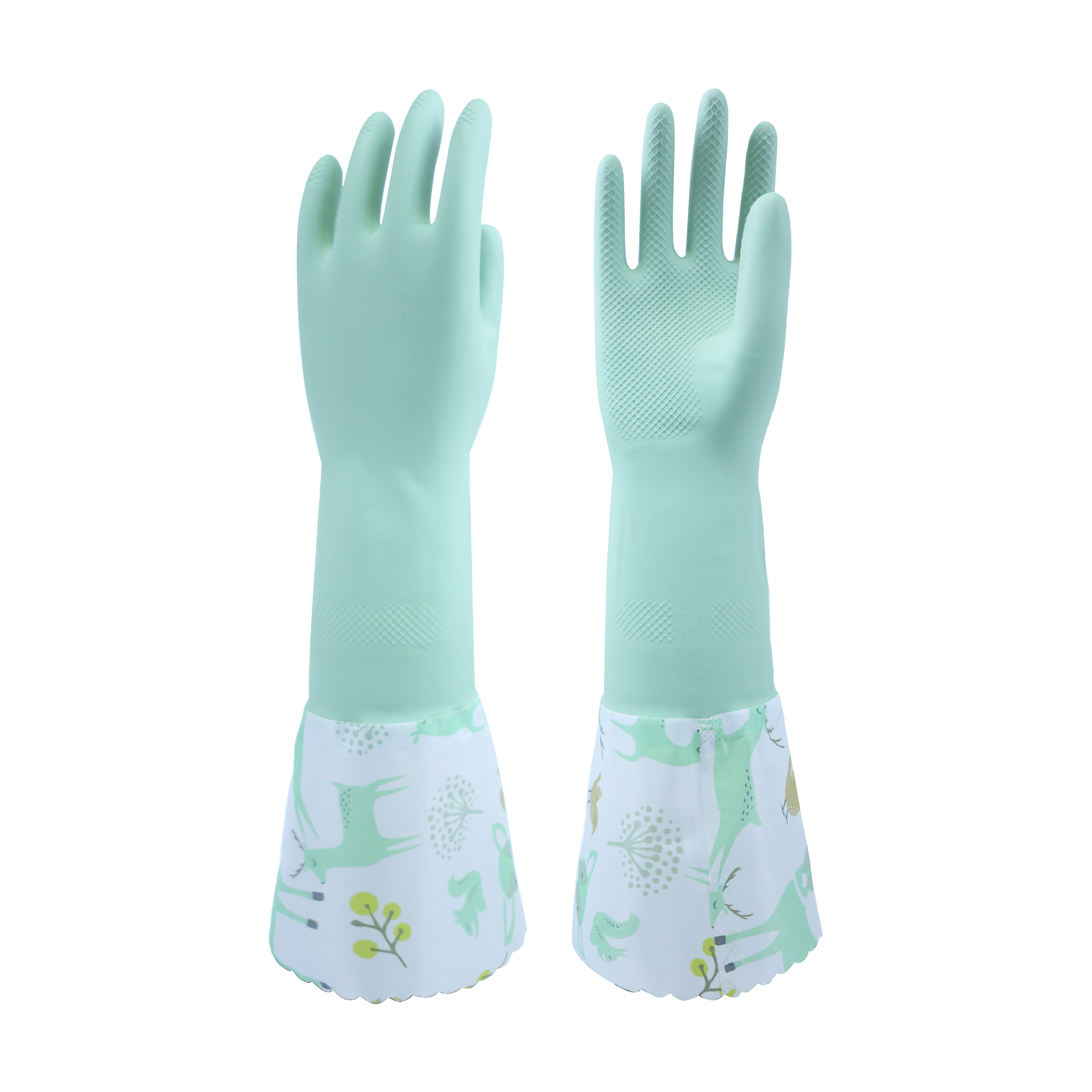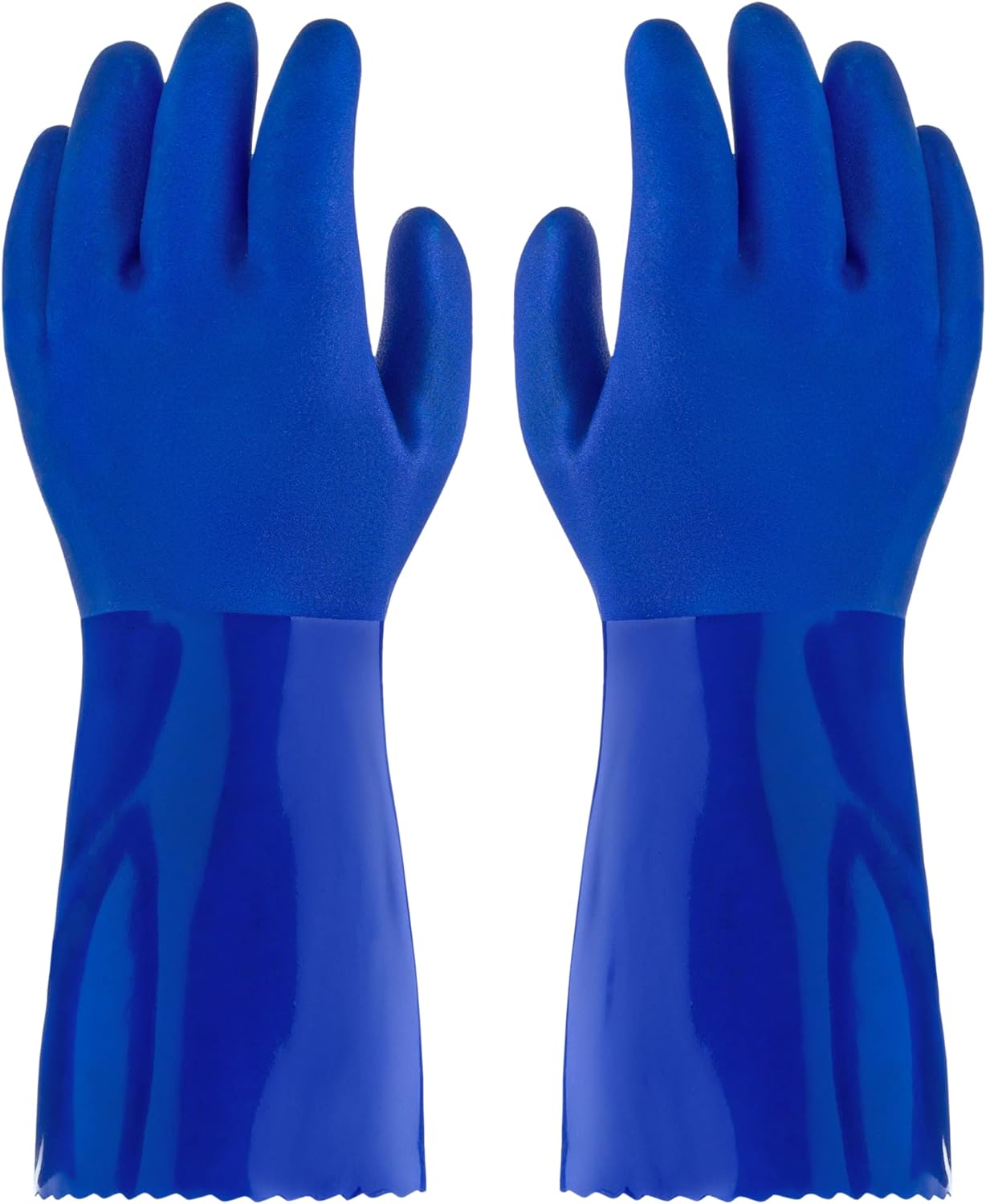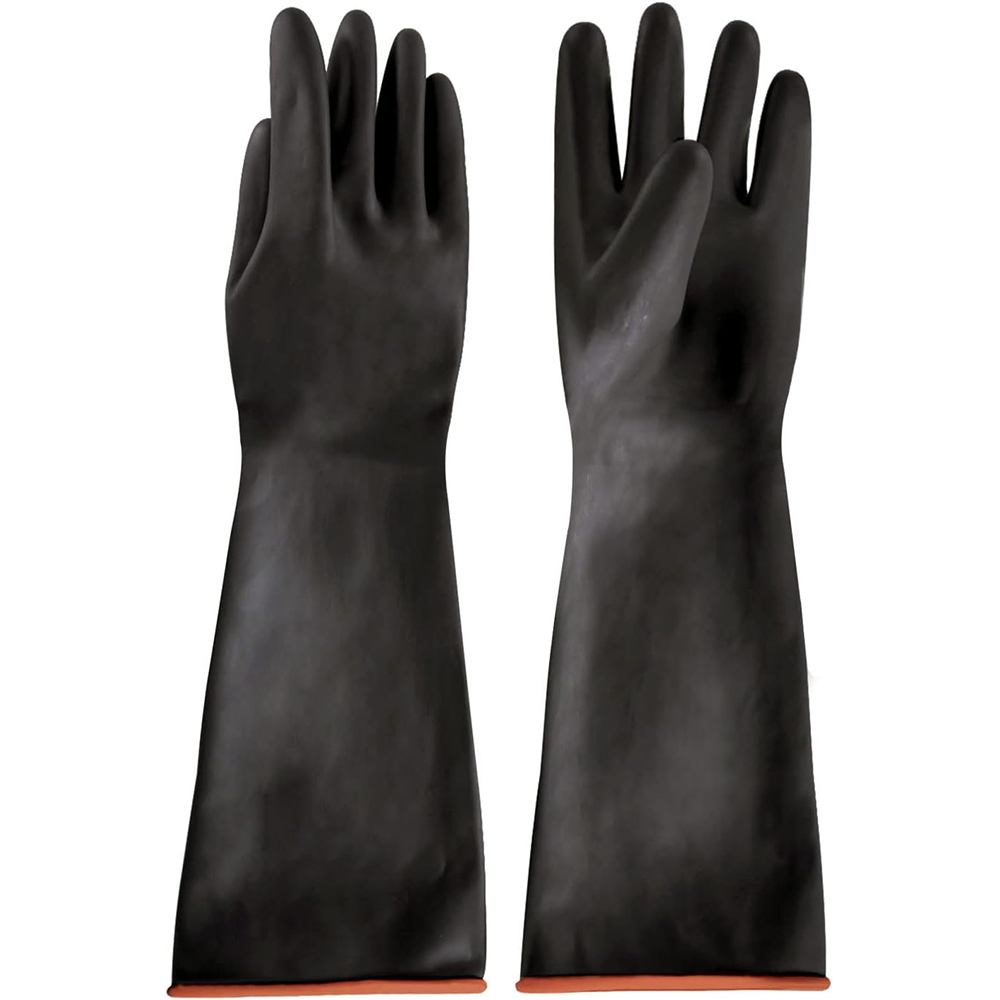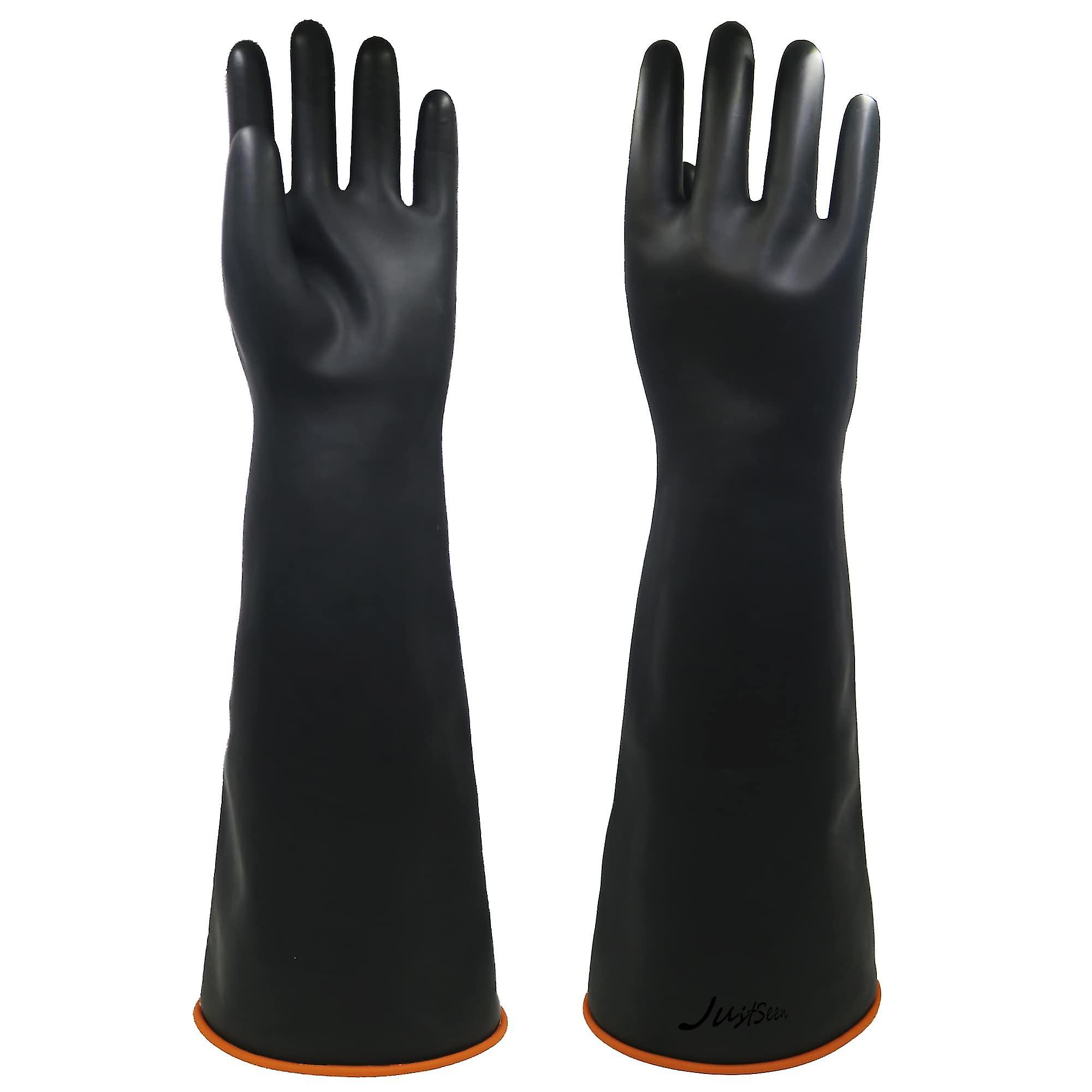
Intro (Work hazard gloves, cut-resistant gloves, nitrile for chemicals, PVC gloves for oil, glove selection guide)
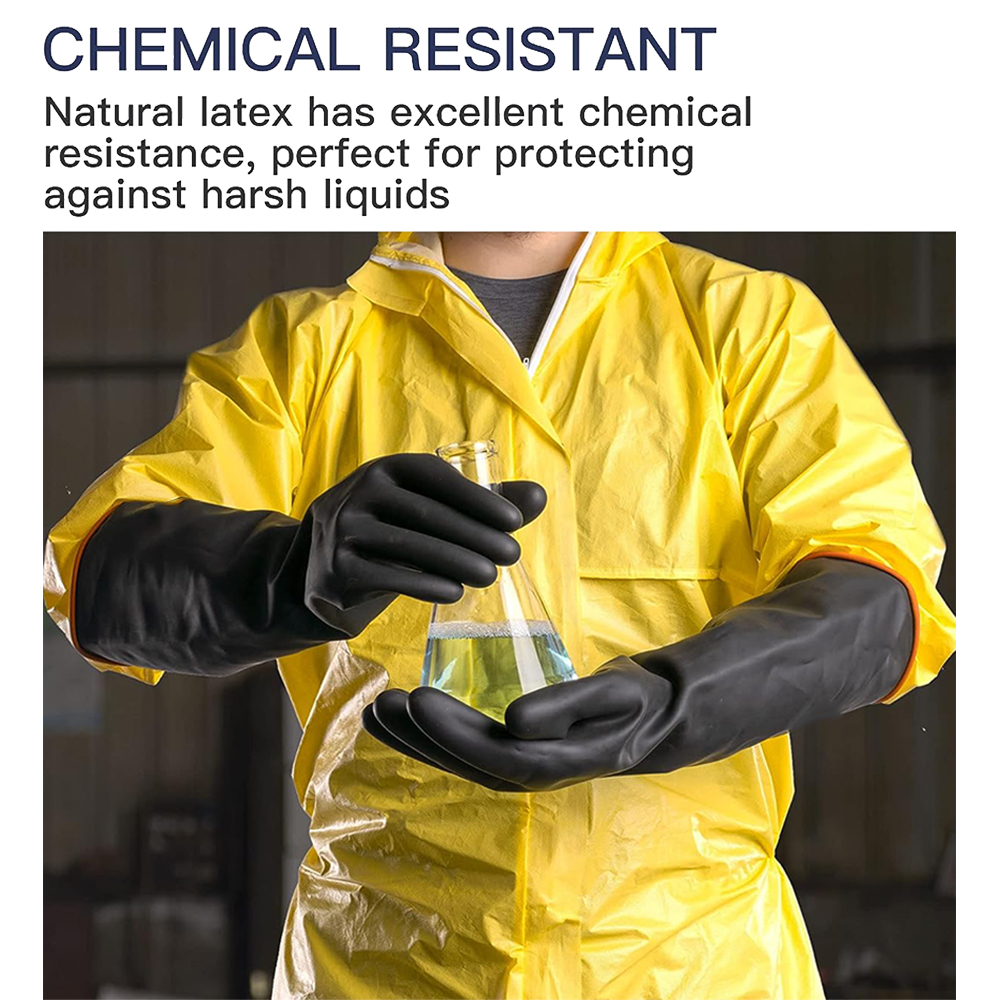
Different jobs expose workers to very different hazards. Choosing the wrong glove risks cuts, chemical burns, or contamination. This guide walks safety officers and procurement teams through seven common workplace hazards and recommends the best material types, product features, and procurement tips for each.
Section 1 — Quick hazard index
- Chemicals & solvents
- Oils & grease
- Abrasion & cuts
- Puncture risk
- Heat & hot surfaces
- Wet handling / food contact
- Fine dexterity & assembly tasks.
Section 2 — Hazard-by-hazard recommendations
1.Chemicals & solvents

- Best choice: Nitrile (chemical-resistant grades) — check chemical breakthrough charts.
- Features: Powder-free, thicker mil (if disposable) or reusable nitrile with known breakthrough times.
- Procurement tip: Request chemical compatibility data and run small-batch tests with actual shop chemicals.
2. Oils & grease

- Best choice: Nitrile or PVC-dipped gloves — nitrile grips better; PVC handles oil-rich environments well.
- Features: Textured palms, oil-wicking liner options for long shifts.
- Tip: Choose smooth nitrile for precision; choose dipped PVC for heavy wet handling.
3.Abrasion & cuts
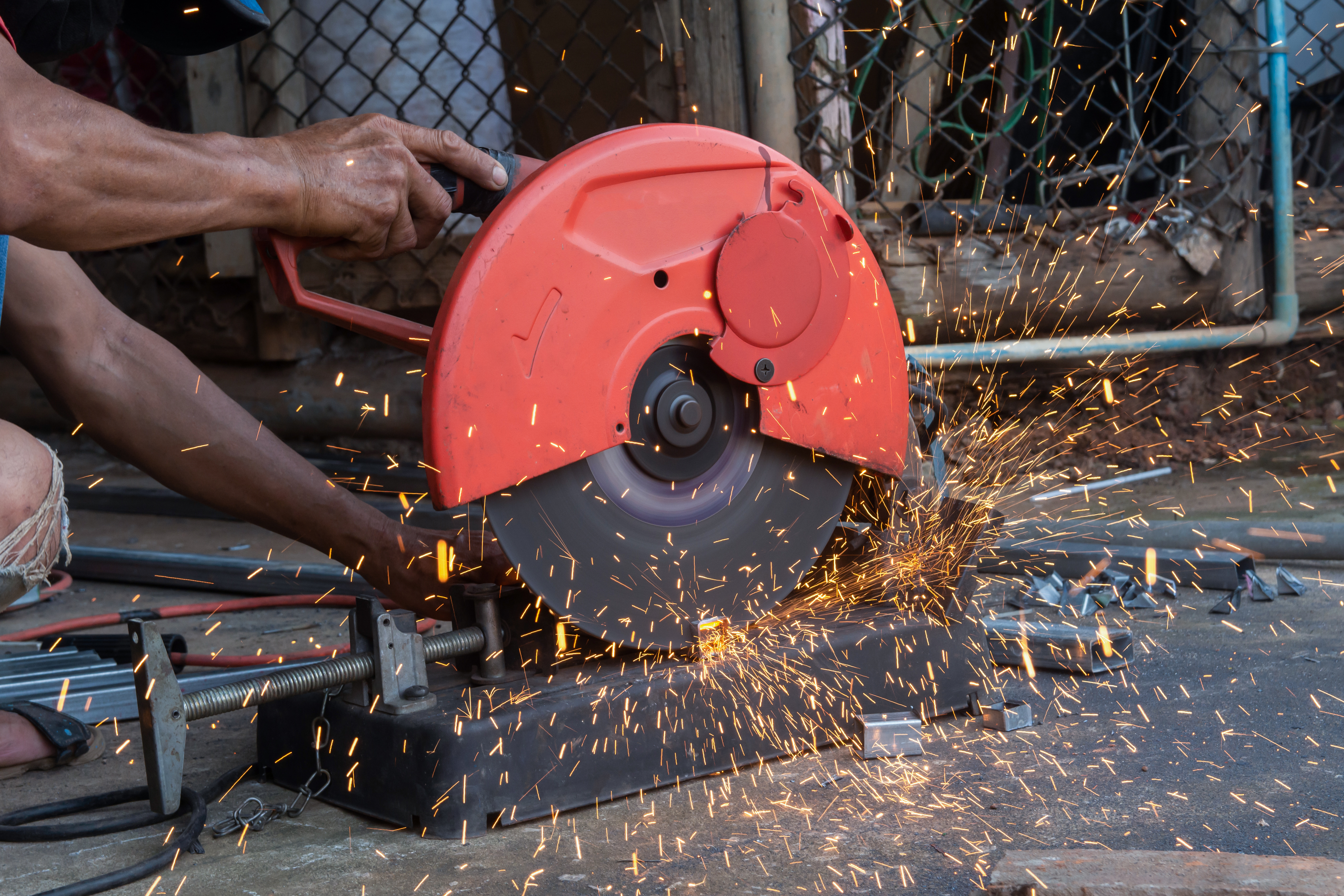
- Best choice: Nitrile with cut-resistant liners or composite gloves (cut-rated shells + nitrile coating).
- Features: ANSI/EN cut ratings, reinforced palms.
- Tip: For packing lines, a thin cut liner + nitrile shell often balances dexterity and protection.
4.Puncture risk

- Best choice: Heavy-duty nitrile; consider thicker reusable nitrile or coated gloves with knit shells.
- Features: High puncture resistance ratings; consider double-gloving for extreme risk.
- Tip: Track the common puncture devices and test in real work conditions.
5.Heat & hot surfaces

- Best choice: Specialized heat-resistant gloves (not standard nitrile/latex) — though nitrile offers some thermal buffering for brief contact.
- Features: Insulating liners, aramid or aluminized outer layers.
- Tip: Consult supplier for thermal rating if heat exposure is frequent.
6.Wet handling & food contact
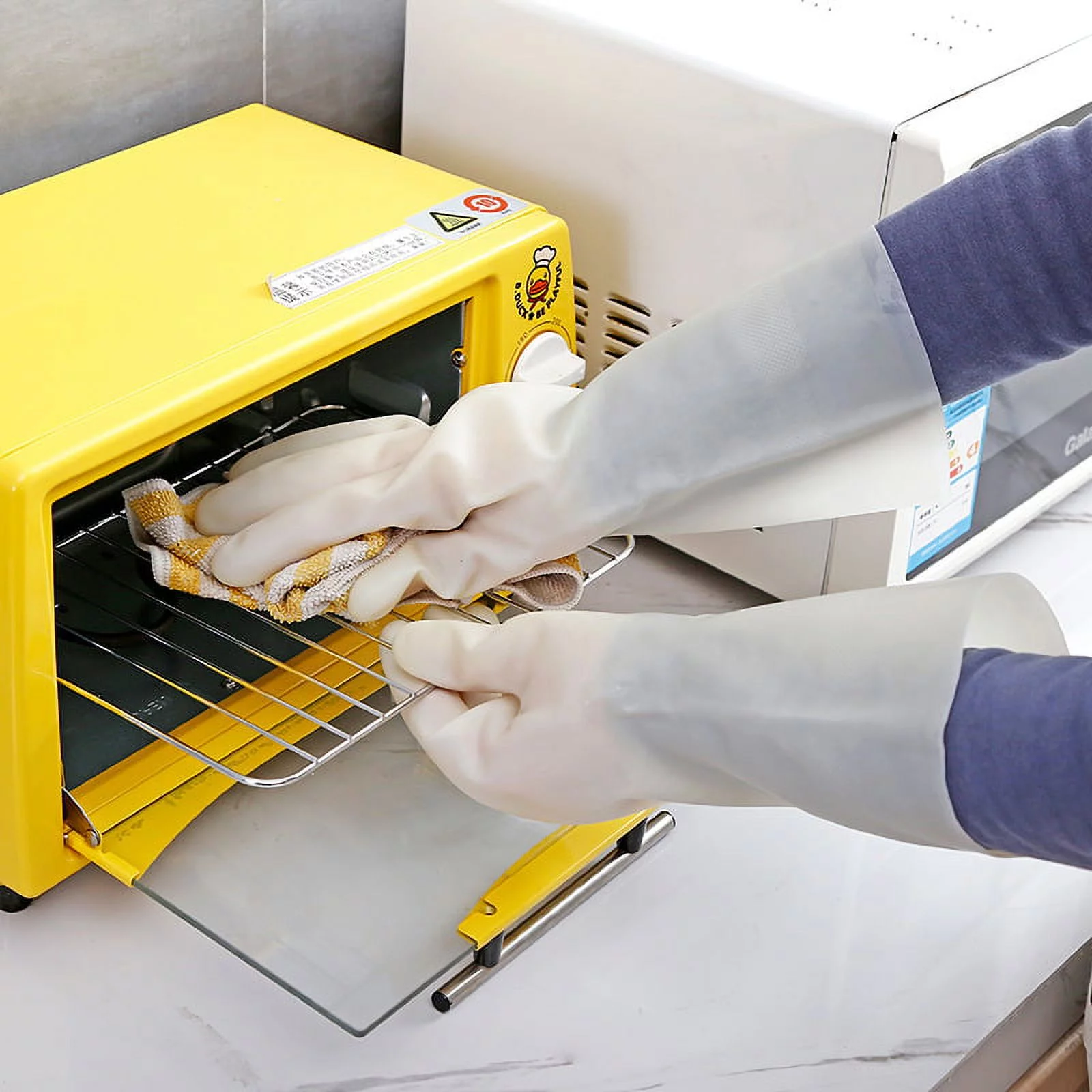
- Best choice: PVC (food-safe grades) or food-grade nitrile.
- Features: Food-safe certification; easy-change packs to reduce cross-contamination.
- Tip: Use color-coding (e.g., blue gloves for food prep) to avoid misuse.
7.Fine dexterity & assembly

- Best choice: Thin latex (if no allergy risk) or thin nitrile for a latex-free option.
- Features: High tactile sensitivity, snug fit, low thickness.
- Tip: Select from suppliers offering multiple thickness SKUs for different tasks.
Section 3 — Procurement & field-testing playbook
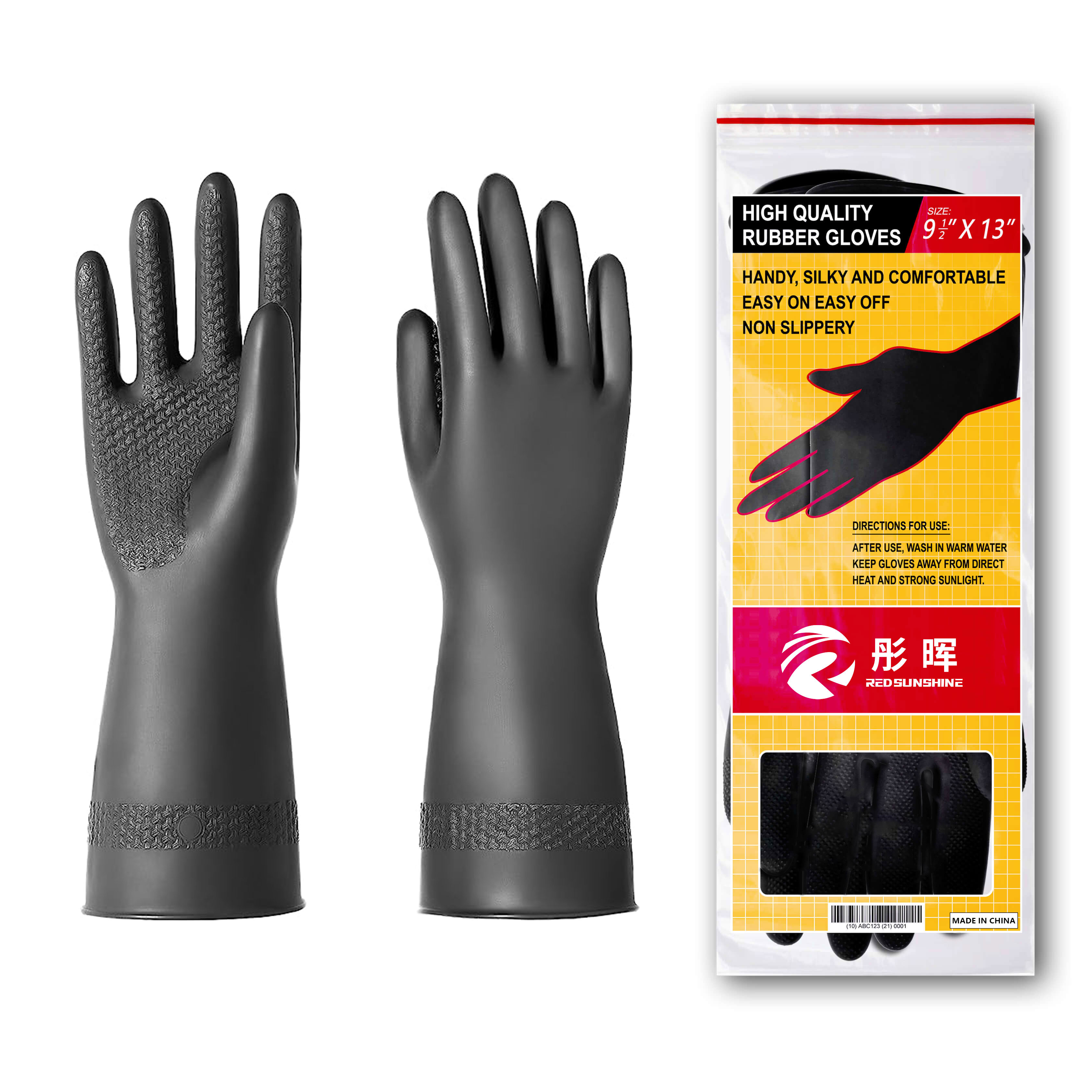
SKU: RIH-34-JJW
- Segment roles by hazard type and order representative sample packs.
- Run 2–4 week field trials with clear feedback forms for comfort, failures, and preference.
- Collect failure data (location of tear, task at time of failure) and reconcile with supplier specs.
- Use cost-per-use calculations and safety incident reduction data to justify changes.
Section 4 — Labeling, training & compliance
- Label glove boxes with hazard suitability (cut rating, chemical resistance, food-safe).
- Train staff on when to change gloves and correct removal to avoid contamination.
- Keep certificates and test reports on file for audits.
Closing + CTA
Need a custom sample pack for your facility’s hazards? Guangzhou Red Sunshine Co., Ltd. offers hazard-specific sample kits and on-site procurement support.