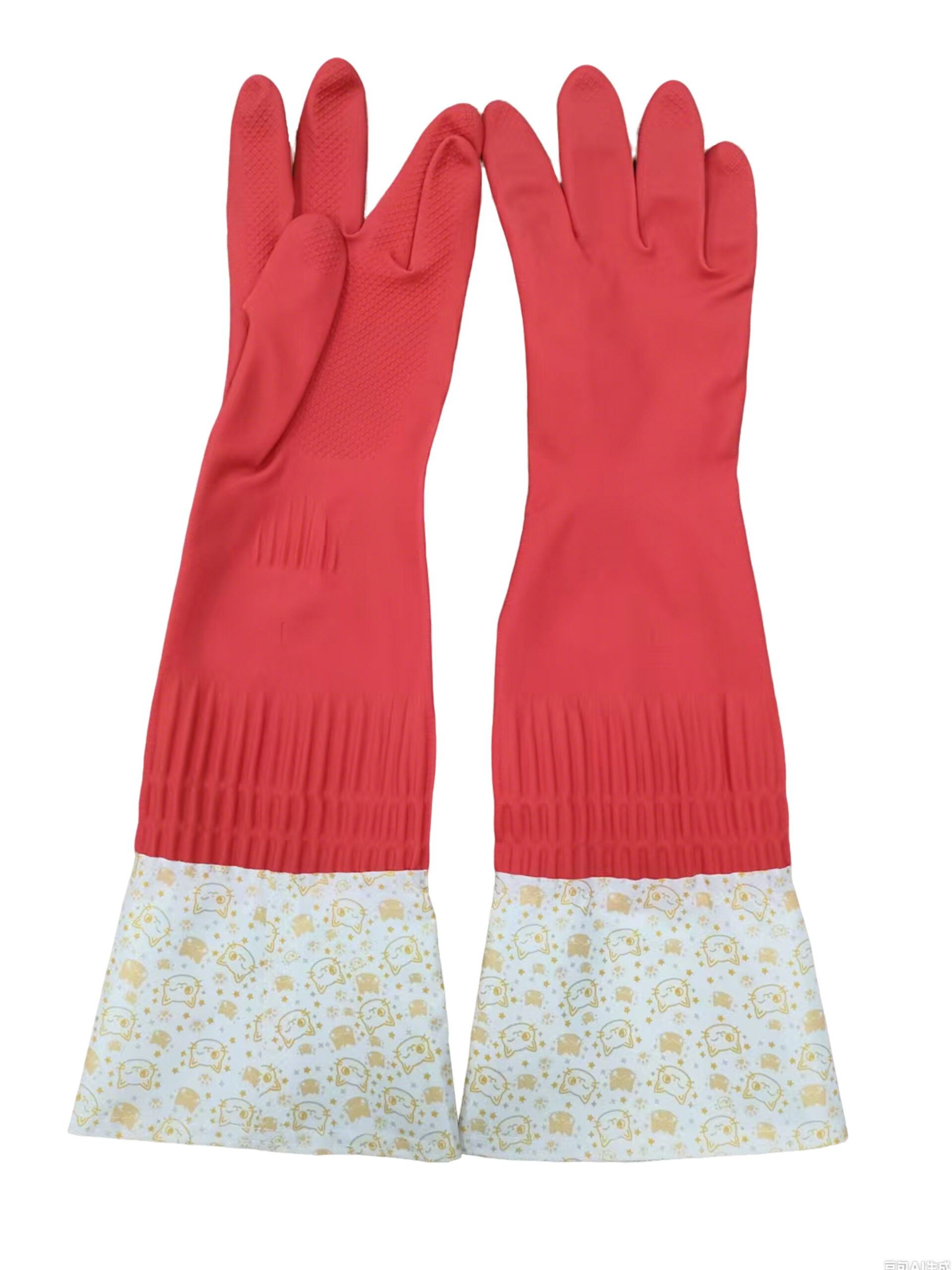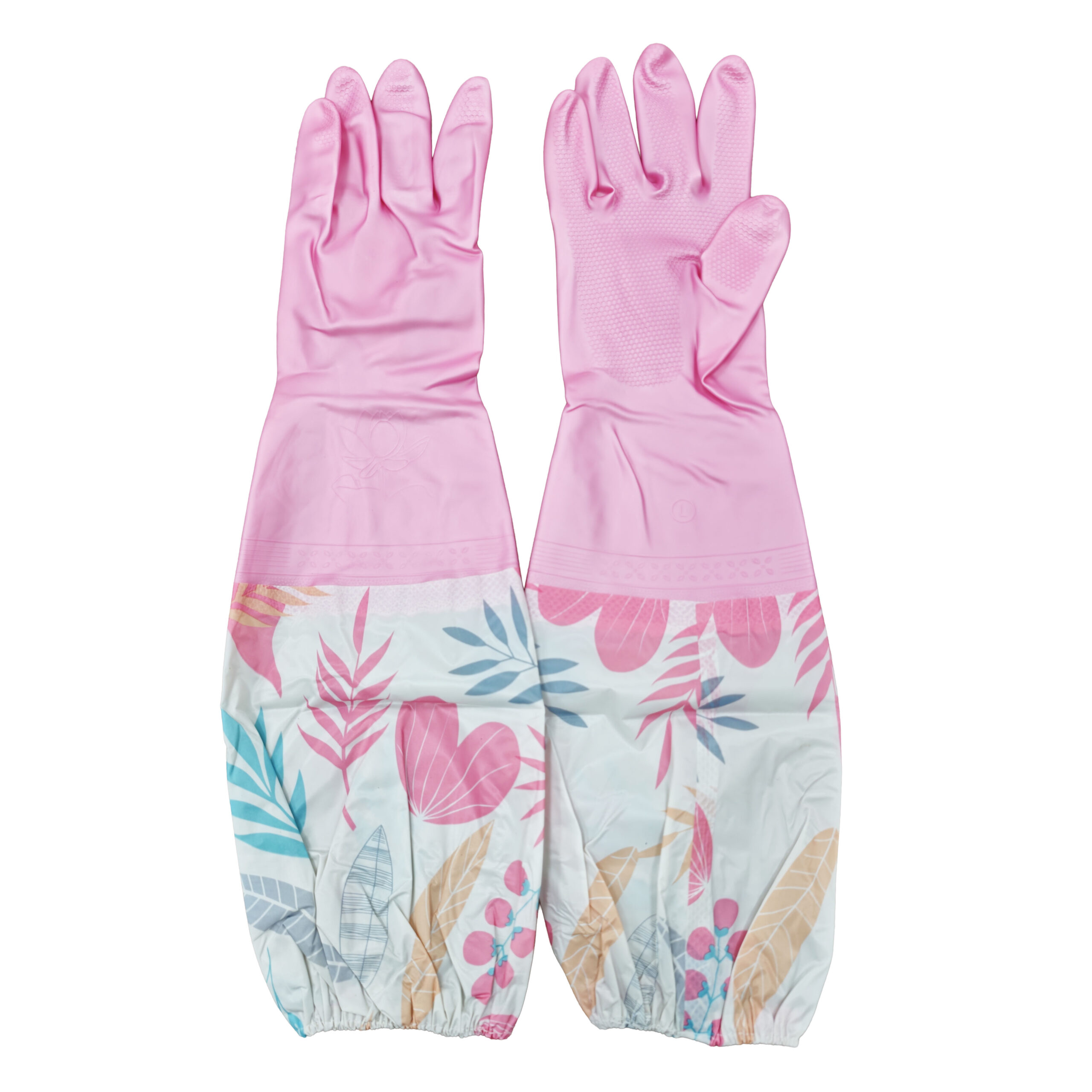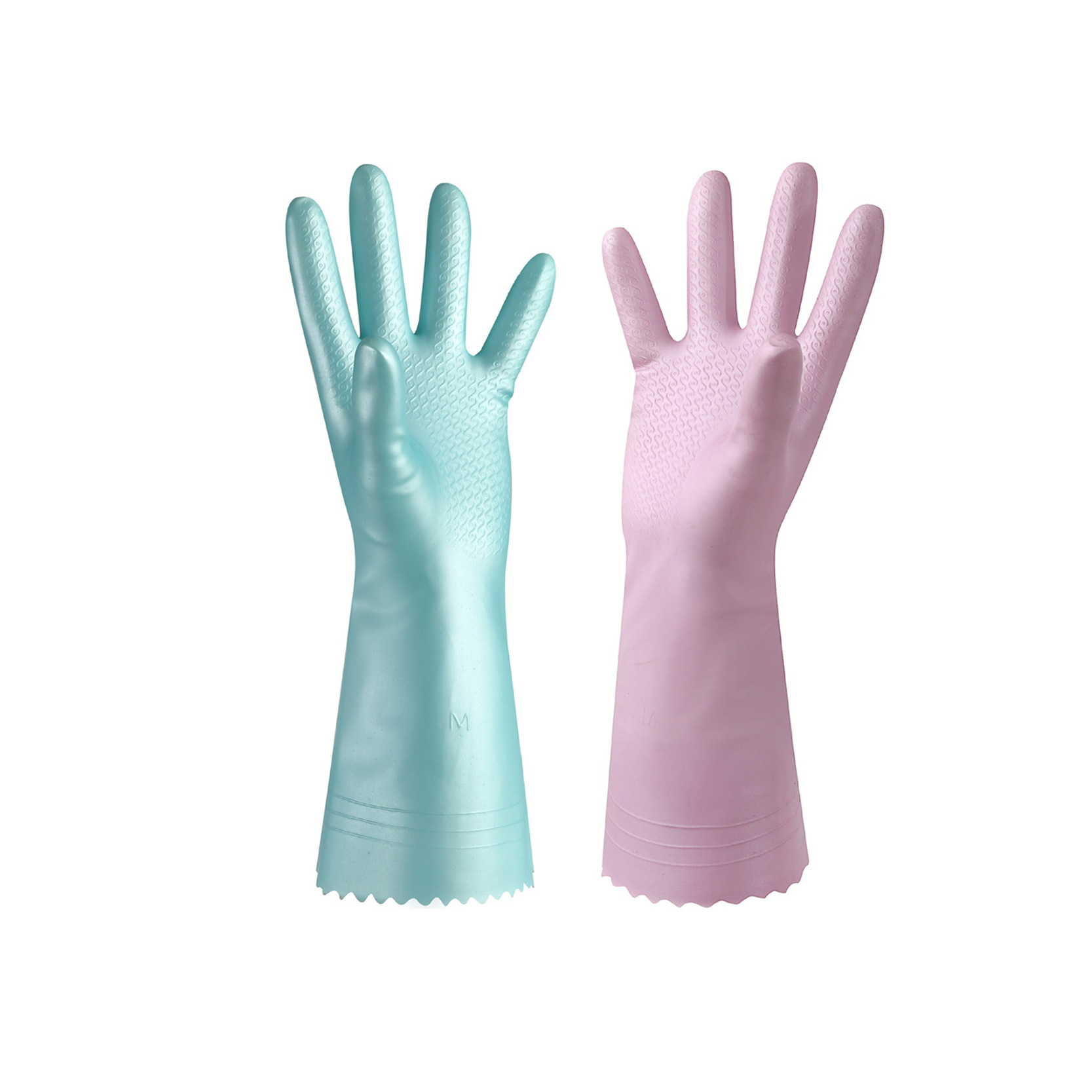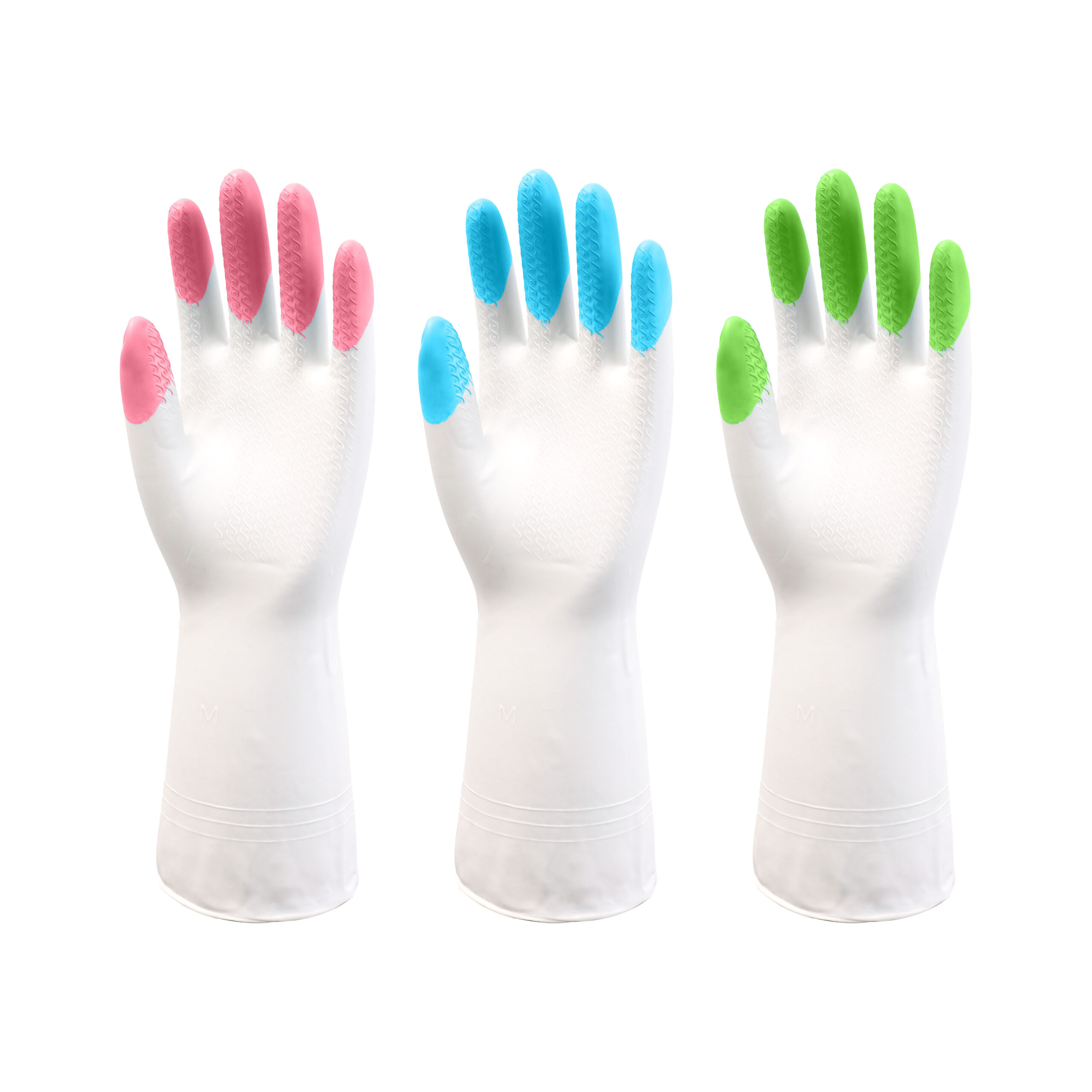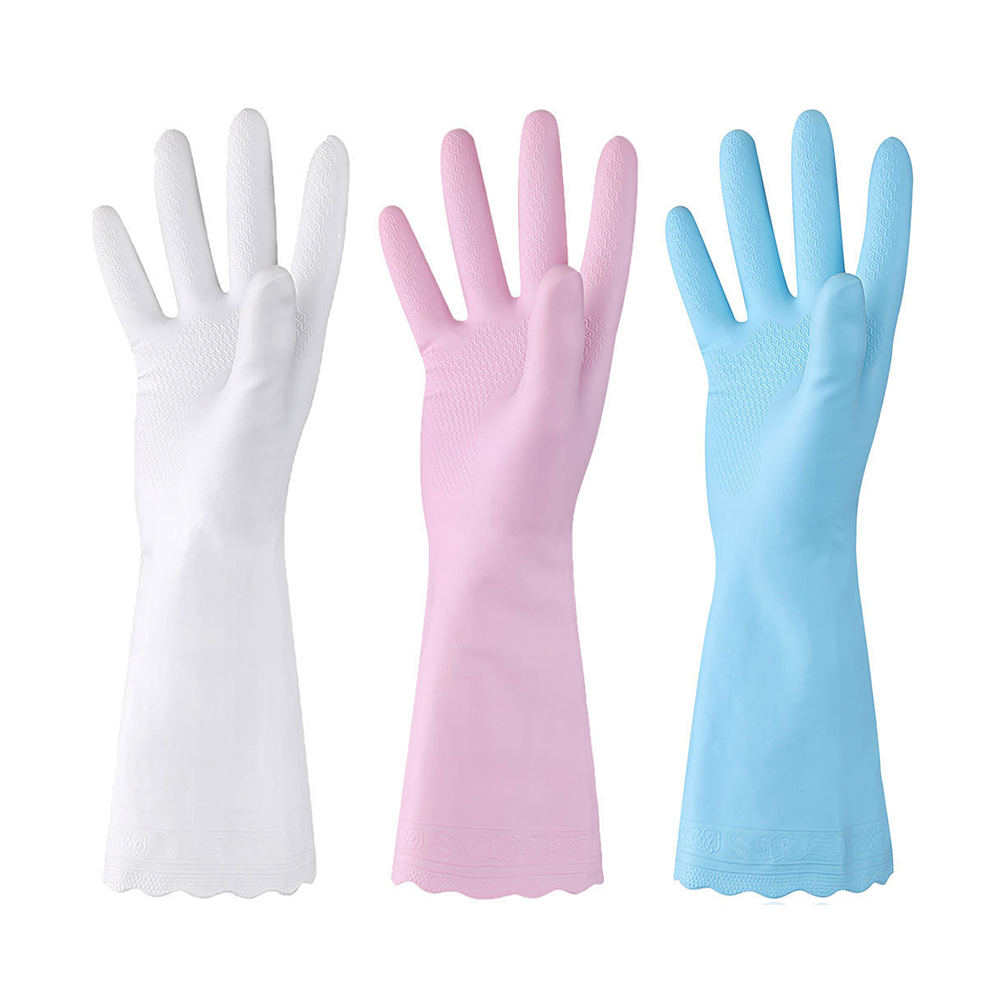
Intro(glove care, reuse gloves, glove disposal, latex glove cleaning, nitrile glove maintenance)
Gloves protect hands — but only if you care for them properly. Whether customers buy latex for dishes, nitrile for tough chores, or PVC for food prep, simple cleaning and storage habits extend glove life, cut costs, and lower waste. This guide shows the right way to clean, store, reuse, and responsibly dispose of household and industrial gloves.
Section 1 — Why care and disposal matter
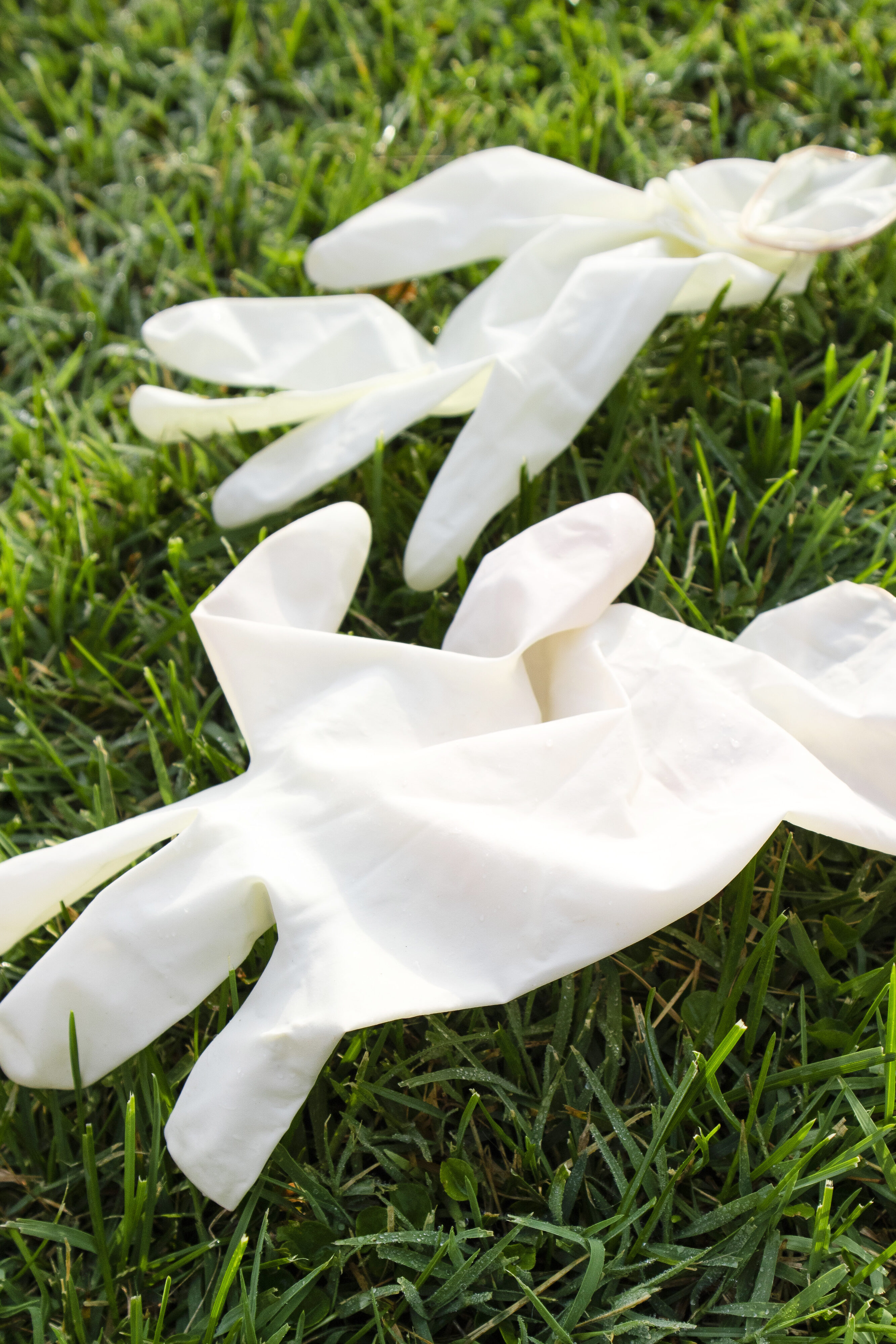
● Lower cost-per-use by keeping reusable gloves in good shape.
● Safer workplaces and cleaner homes when gloves don’t fail mid-task.
● Environmental benefits: fewer single-use replacements and better disposal habits.
Section 2 — Quick care rules by material
Latex

- Rinse after use with warm water and mild soap. Air dry inside-out, then right-side out. Store away from sunlight and heat. Replace if sticky, cracked, or stained.
Nitrile
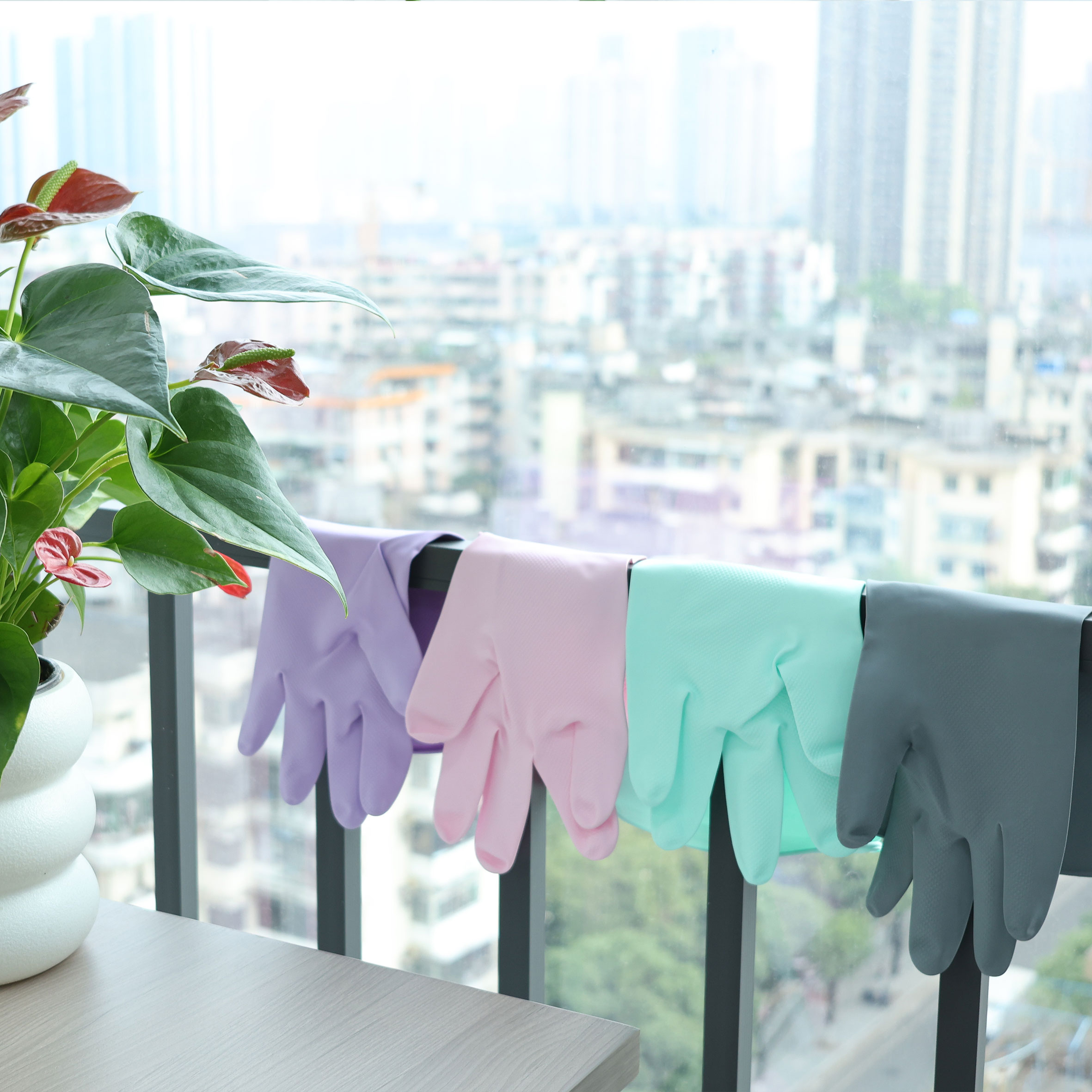
- Wipe chemicals off immediately; for light soil, rinse and air dry. Avoid prolonged exposure to strong solvents — use disposable nitrile for heavy solvent jobs or follow supplier chemical breakthrough guidance.
PVC (Vinyl)
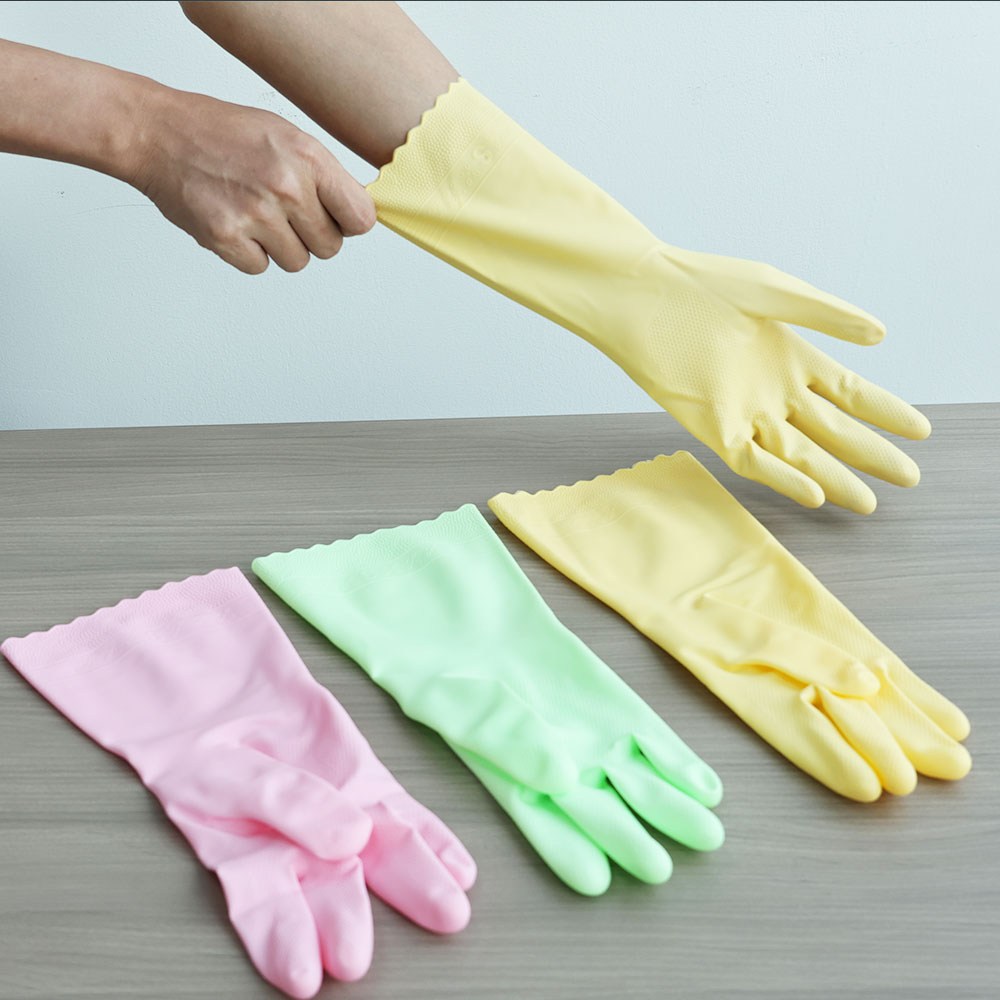
- Rinse well after food or wet tasks. Pat dry; store flat or hung. PVC tolerates wet conditions well but can become stiff in cold — keep at room temperature.
Section 3 — Deep-cleaning & disinfecting
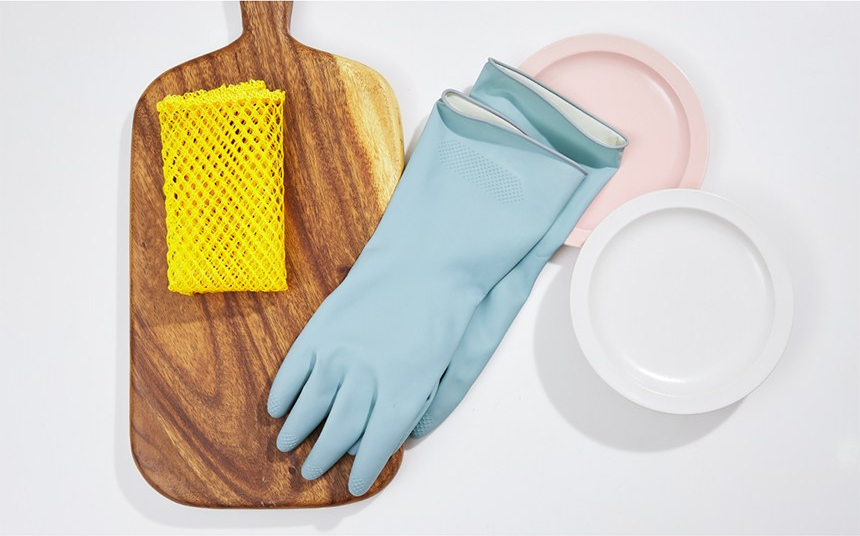
- Gentle soap + water for everyday dirt.
- Mild disinfectant (diluted bleach or alcohol wipes) for shared or heavily soiled gloves — check material compatibility first.
- Never machine-wash gloves unless manufacturer allows it.
- Let gloves air-dry fully before storing to prevent mold.
- For reusable nitrile, avoid prolonged immersion in strong solvents.
Section 4 — Storage & handling best practices
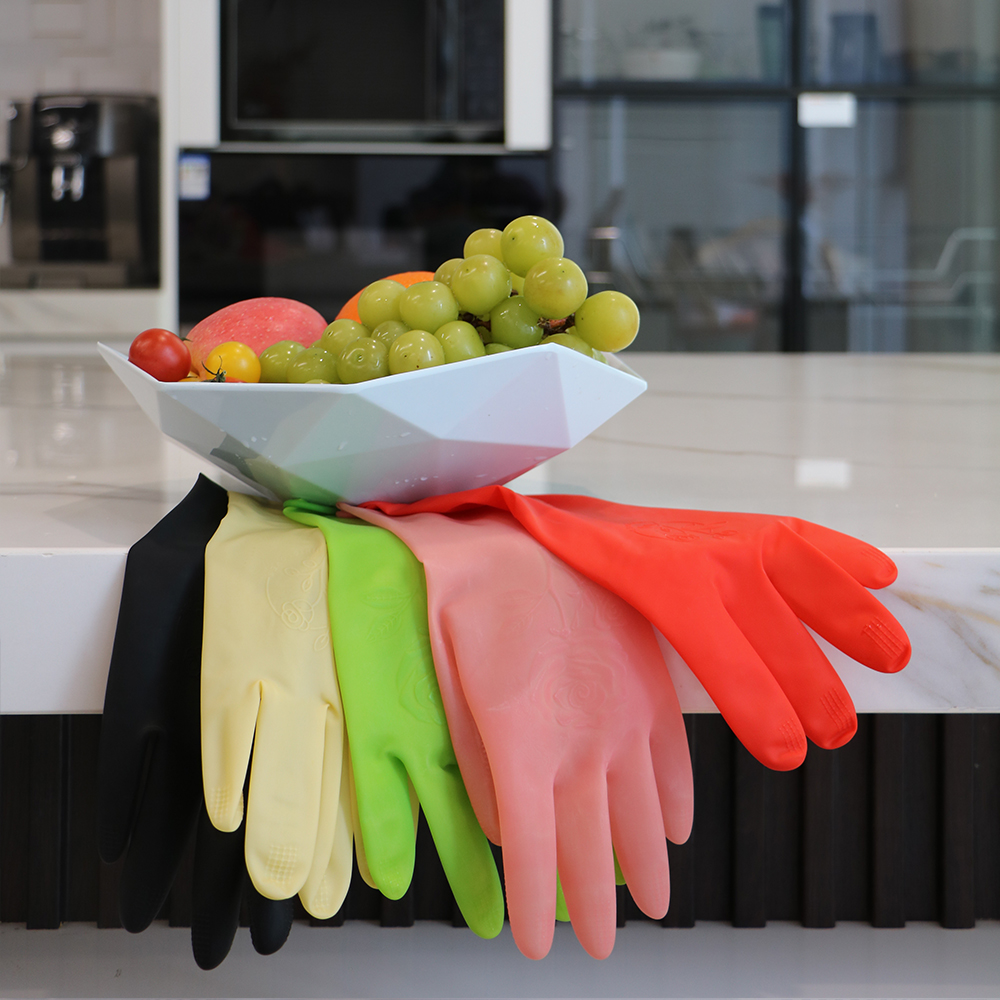
- Keep away from sunlight, direct heat, or ozone sources.
- Avoid folding or creasing stored gloves for long periods.
- Use labeled hooks, bins, or dispensers to avoid cross-contamination.
- Rotate stock to use older batches first.
Section 5 — Repair vs. replace — practical rules

- Small surface dirt/paint → clean and continue use.
- Puncture or seam failure → replace immediately.
- Elasticity loss or persistent odor → replace.
- For industrial use, track failure modes and return feedback to supplier.
Section 6 — Eco & disposal options
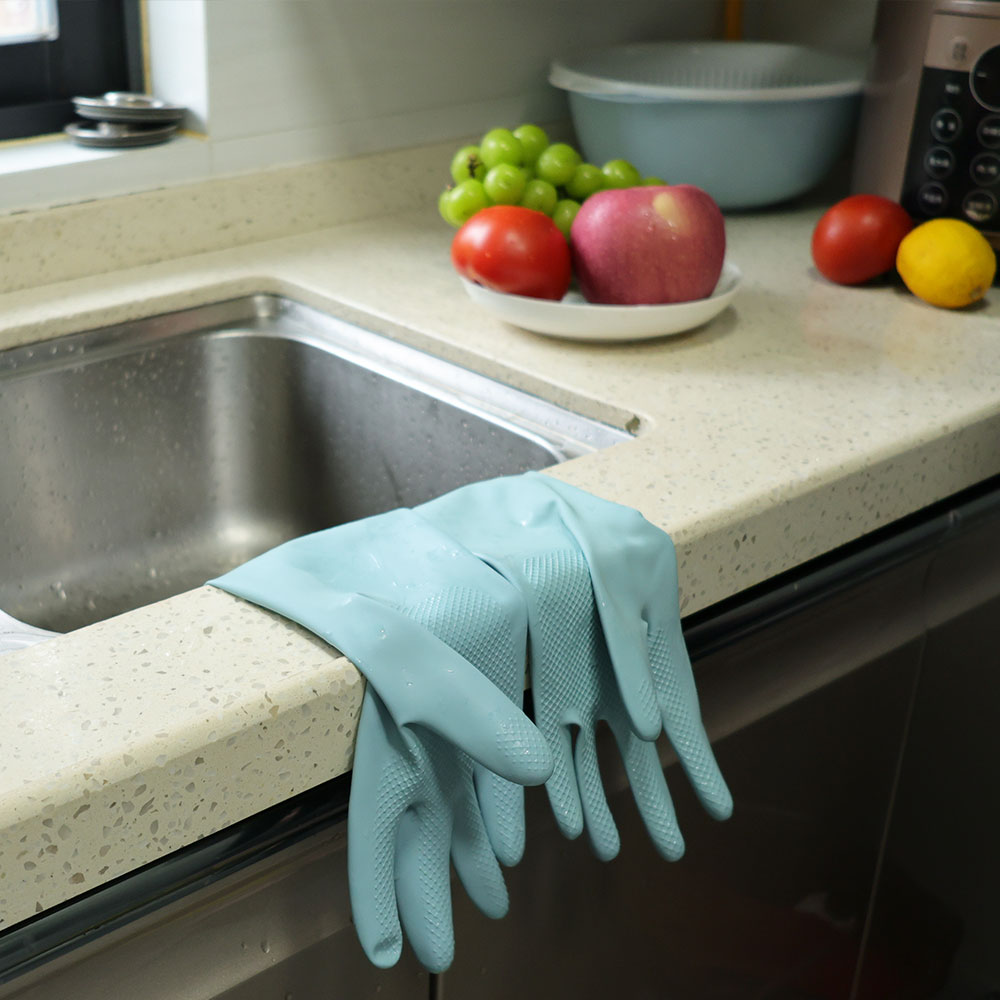
- Latex is biodegradable under industrial composting conditions; check local programs.
- Nitrile and PVC currently have limited recycling streams — encourage customers to seek dedicated recycling programs or take-back initiatives where available.
- Offer tips for reducing waste: buy higher-quality reusable gloves, use correct glove per task to avoid unnecessary replacements, and consider bulk packs to reduce packaging waste.
- As a supplier, consider labeling with care instructions and partnering with local recycling/test programs — it’s a strong differentiator.
FAQ
Can I disinfect reusable gloves for food work?
Yes, with food-safe disinfectants if material is compatible — rinse thoroughly.
How long should household gloves last?
With proper care, reusable household gloves can last weeks to months depending on frequency and task.
Are glove recycling programs common?
Not yet widespread; availability depends on region. Encourage customers to check local programs.
Closing + CTA
Help customers protect their hands and the planet — include care labels and responsible-disposal info with every pack. Contact Guangzhou Red Sunshine Co., Ltd. for sample care leaflets or branded hang-tags.