Reusable Glove Upgrades Introduction: The Logic of the “Unsupported” Glove
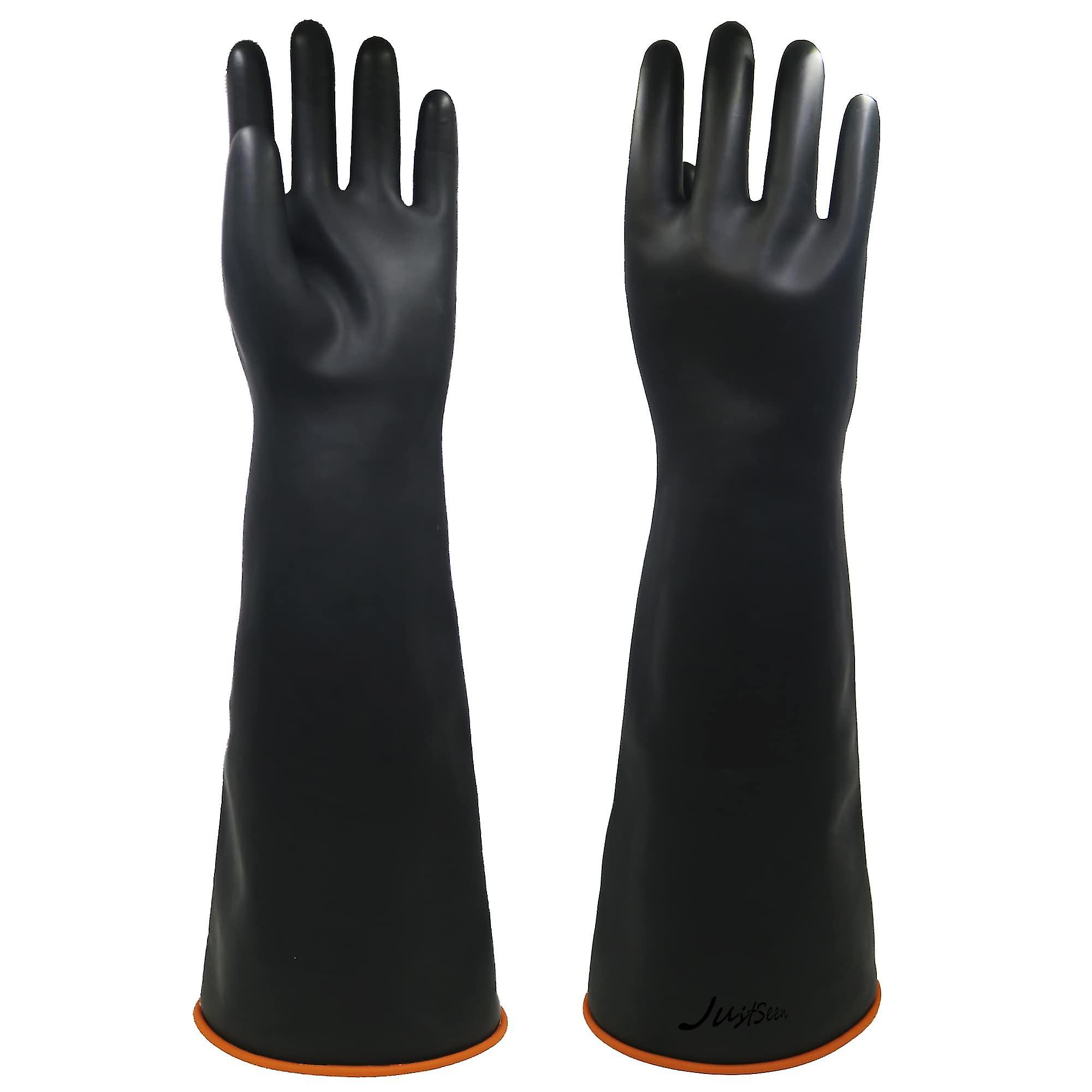
When it comes to 100% liquid-proof protection, not all gloves are created equal. While many industrial gloves use a fabric liner dipped in rubber (known as “supported” gloves), professional-grade unsupported gloves are made from a solid, continuous layer of polymer.
Because they lack a fabric interior that can “wick” or trap liquids, these solid rubber gloves are the gold standard for tasks involving total chemical immersion or high hygiene requirements. However, choosing a “basic” rubber glove can lead to hand fatigue and poor grip. By specifying strategic upgrades—such as internal flocking, specialized textures, and extended cuffs—you can significantly improve worker safety and compliance while lowering your Total Cost of Ownership (TCO).
1. Common Comfort & Safety Upgrades Explained
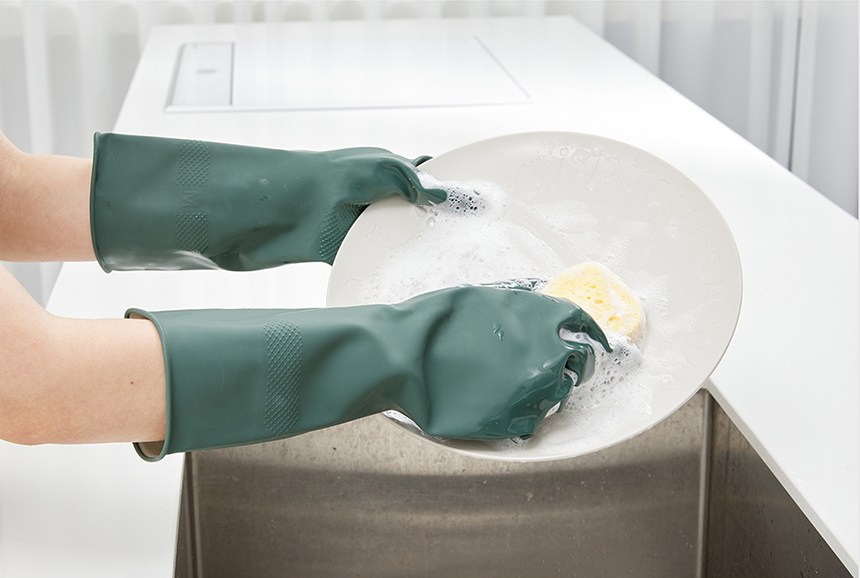
The biggest challenge with solid rubber gloves is moisture. Because the material is non-breathable, hands can become sweaty and uncomfortable during long shifts.
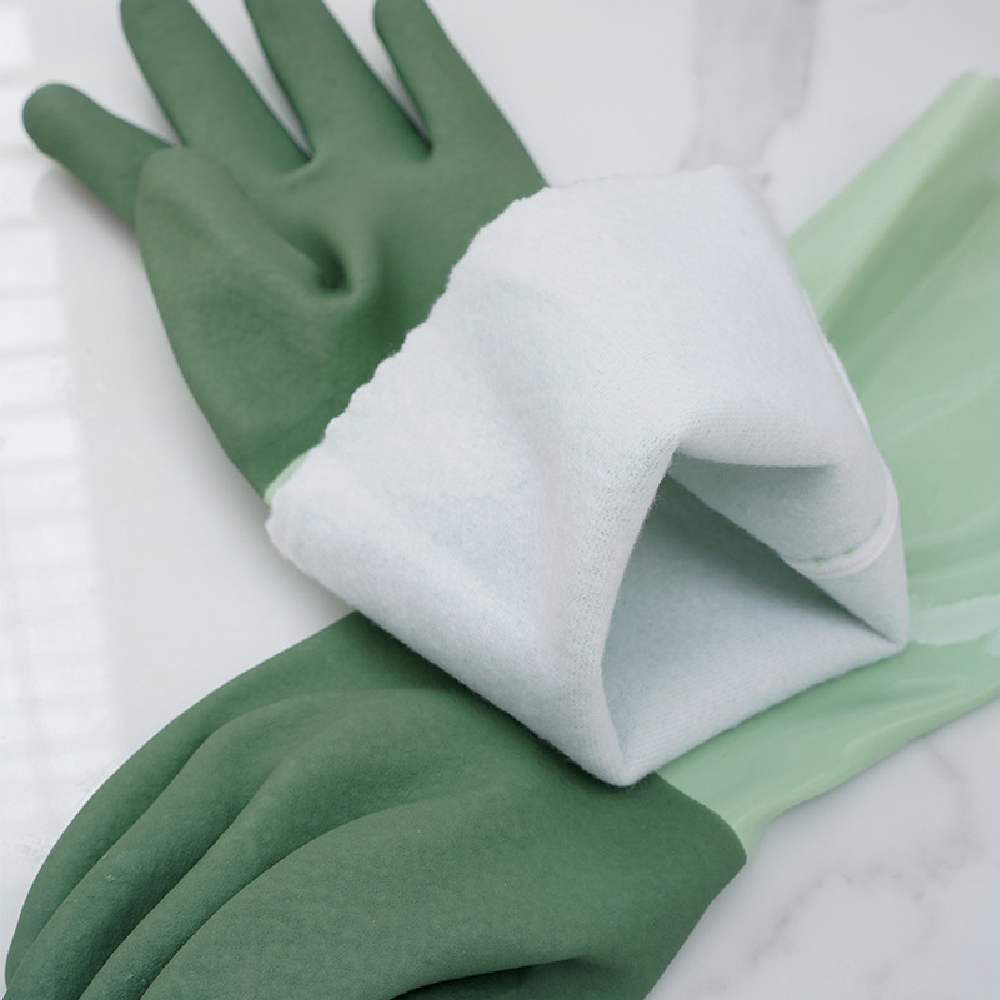
- Cotton Flocking: This involves spraying the interior of the glove with finely milled cotton fibers. This “flock” layer acts as a built-in moisture management system, absorbing sweat and making the gloves much easier to put on and take off.
- The Comfort ROI: Research shows that comfortable workers are 20% less likely to take “glove breaks” or remove their PPE prematurely. For facilities with 100+ employees, the small extra cost of flocking is quickly recovered through increased productivity and fewer glove changes.
2. Surface Enhancements: Grip Patterns and COF
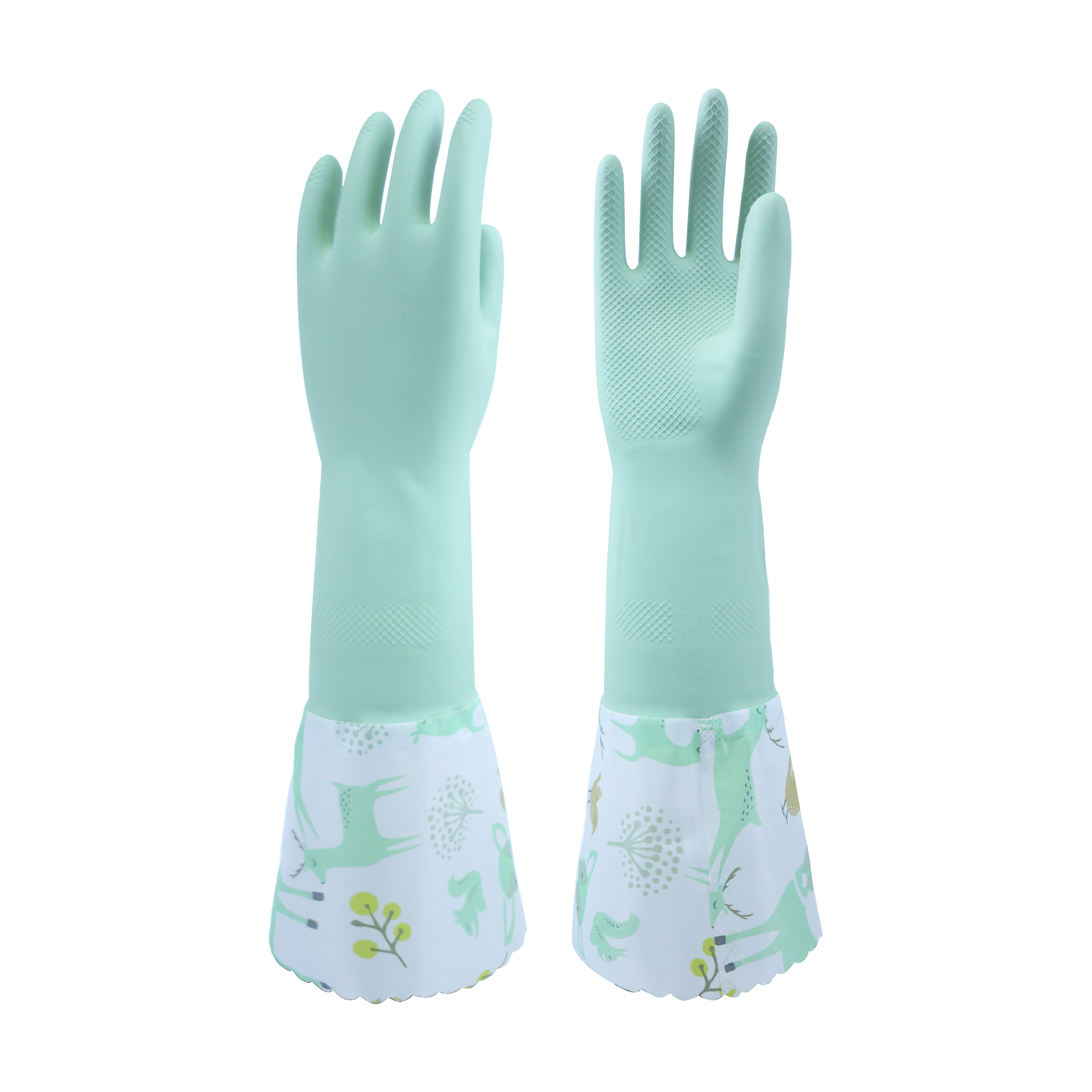
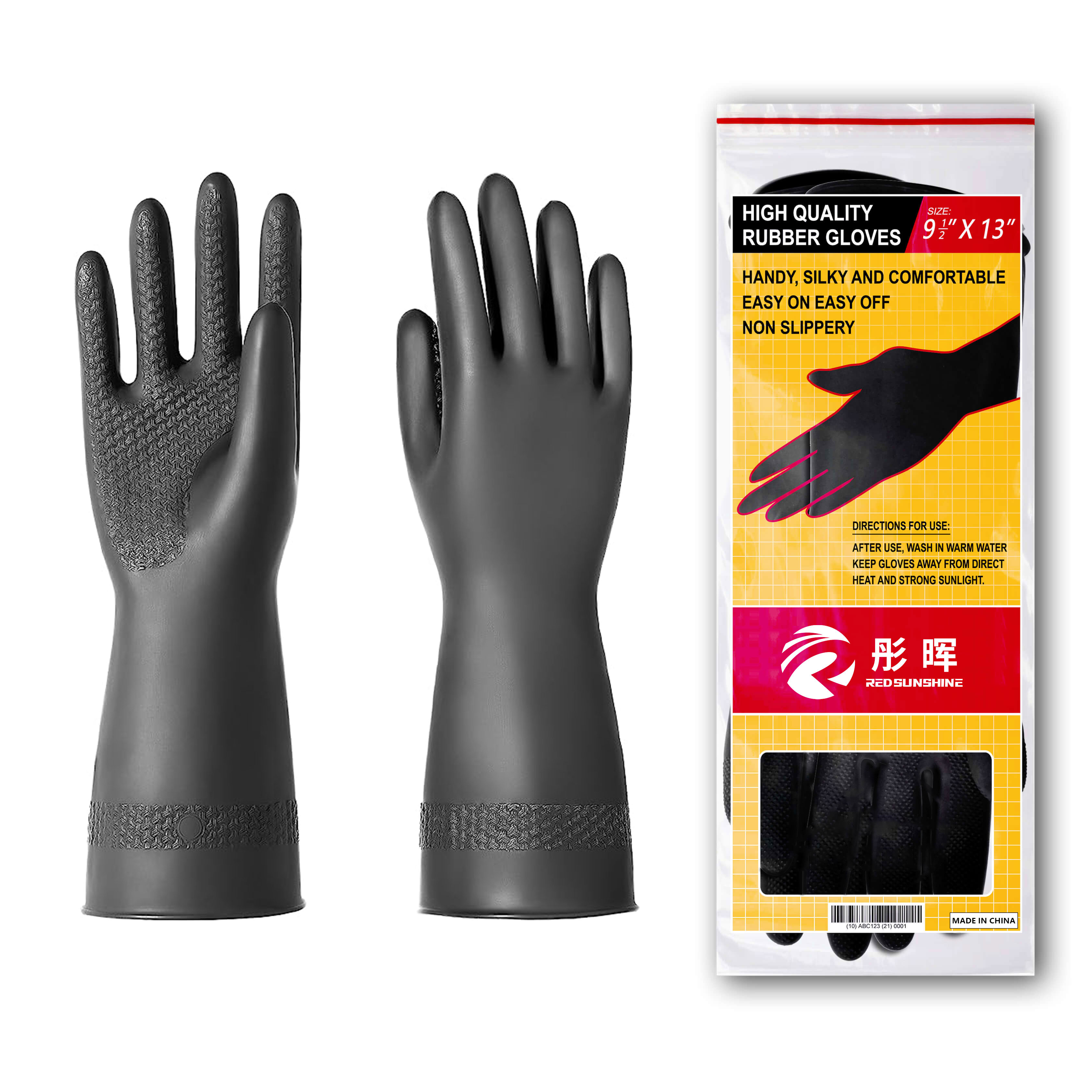
A smooth rubber glove becomes dangerously slippery when wet or oily. To solve this, high-performance reusable gloves utilize embossed textures—patterns molded directly into the polymer to increase the Coefficient of Friction (COF).
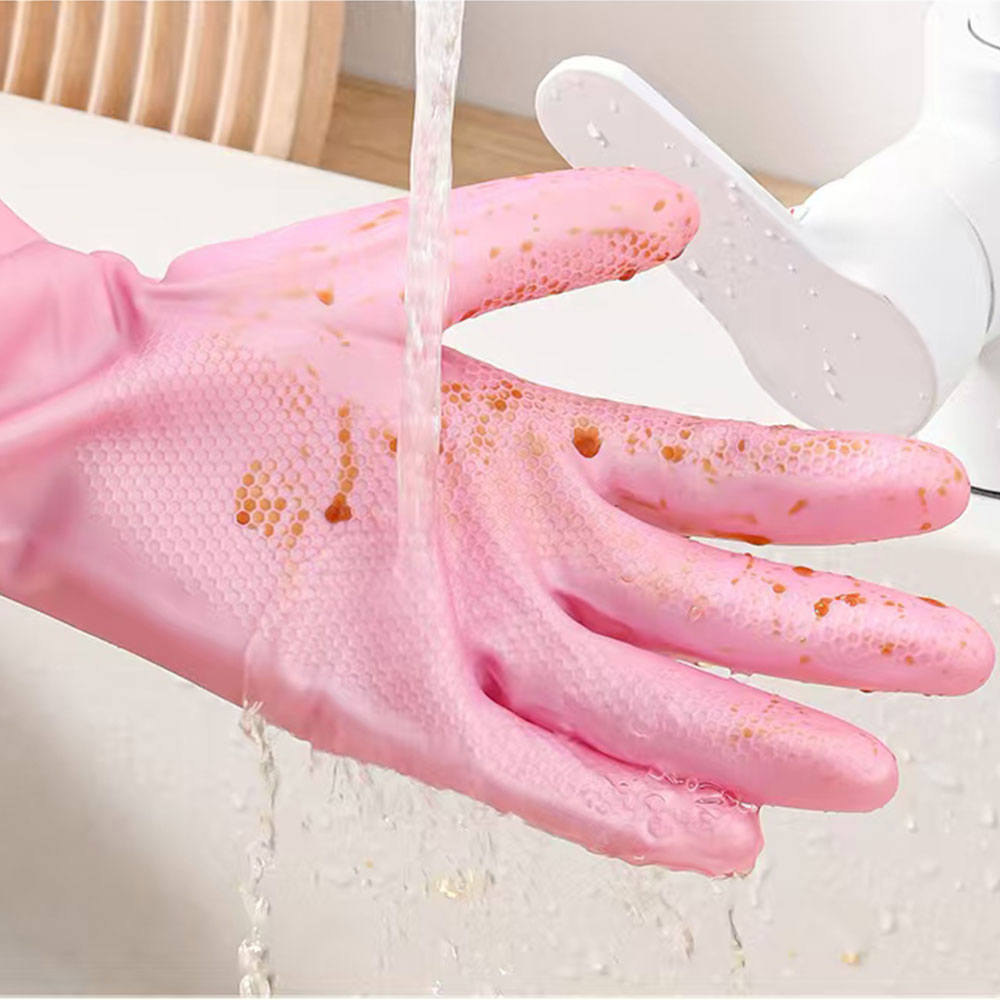
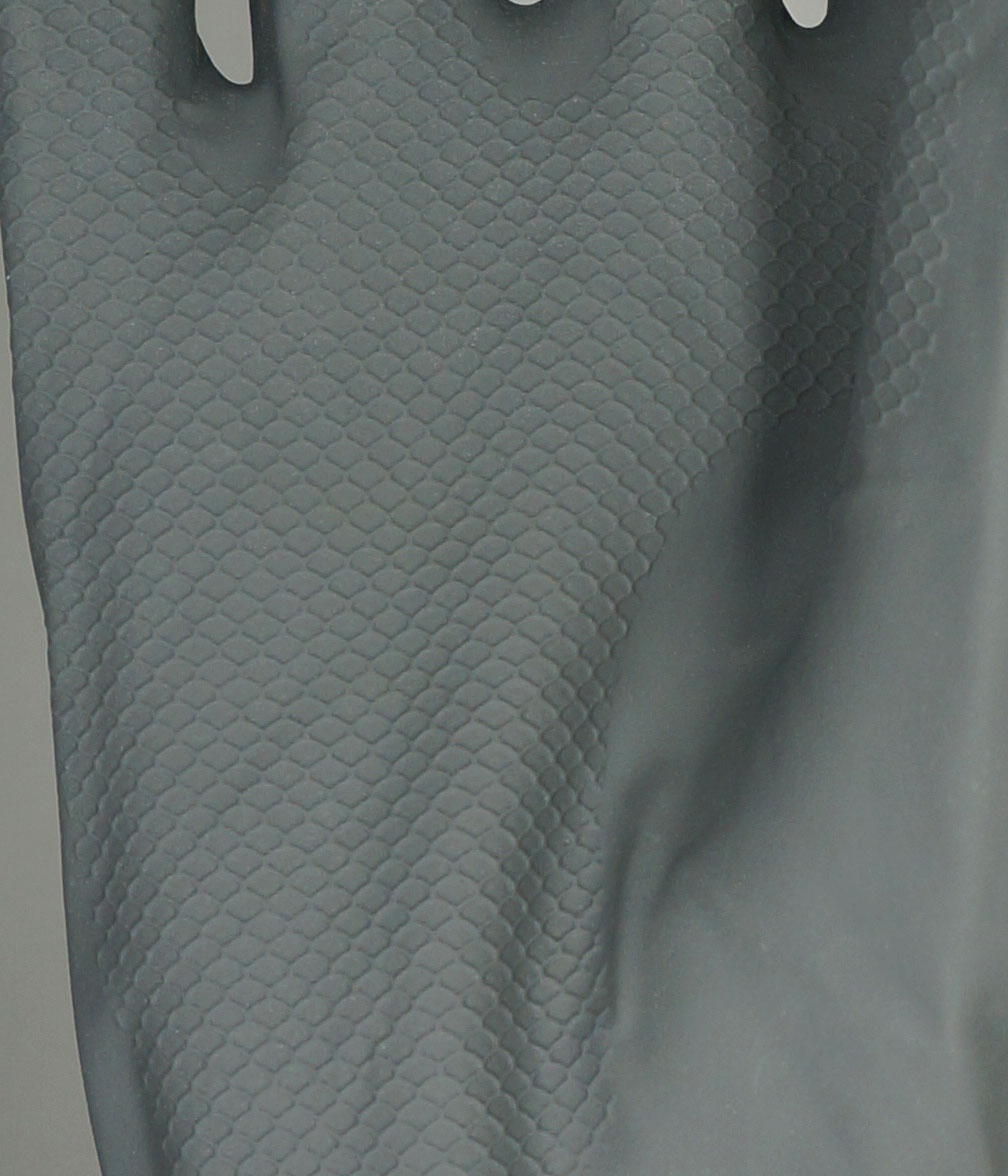
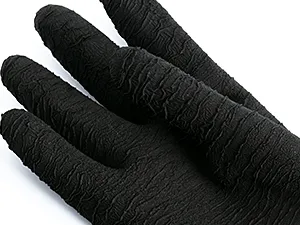
- Diamond and Fish-Scale Patterns: These deep-molded textures channel liquids away from the contact surface, providing a “suction” effect for handling slippery objects like glassware or oily machine parts.
- Sandpatch or Pebble Finishes: A more subtle texture often used in chemical-handling gloves to provide consistent grip without sacrificing the tactile sensitivity needed for fine motor tasks.
- Utility Bonus: These grip patterns are what make reusable gloves the perfect “jar opener” or “pet hair remover” in household settings, as they provide mechanical traction that bare hands cannot match.
3. Structural Engineering: Cuff Styles and Lengths
The “seal” of a glove is just as important as the material itself. The cuff determines how well the glove protects the wearer from splashes and immersion.
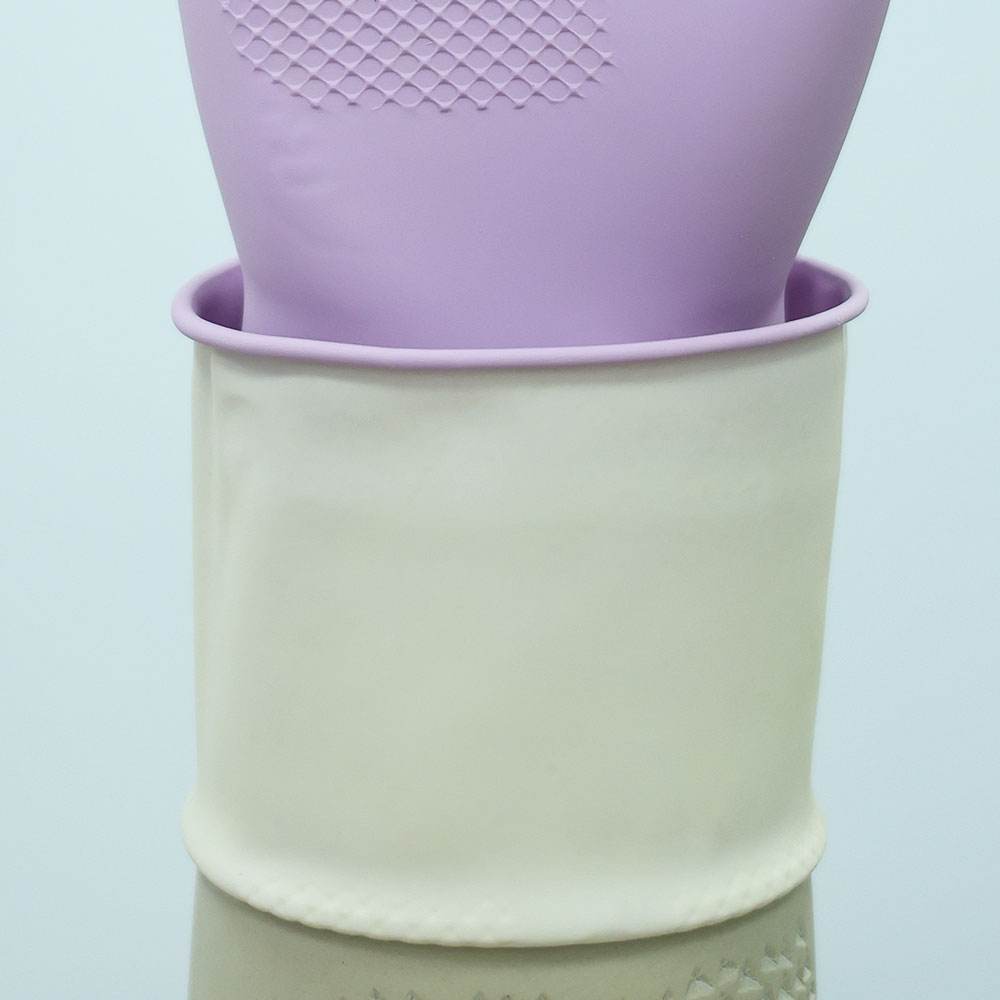

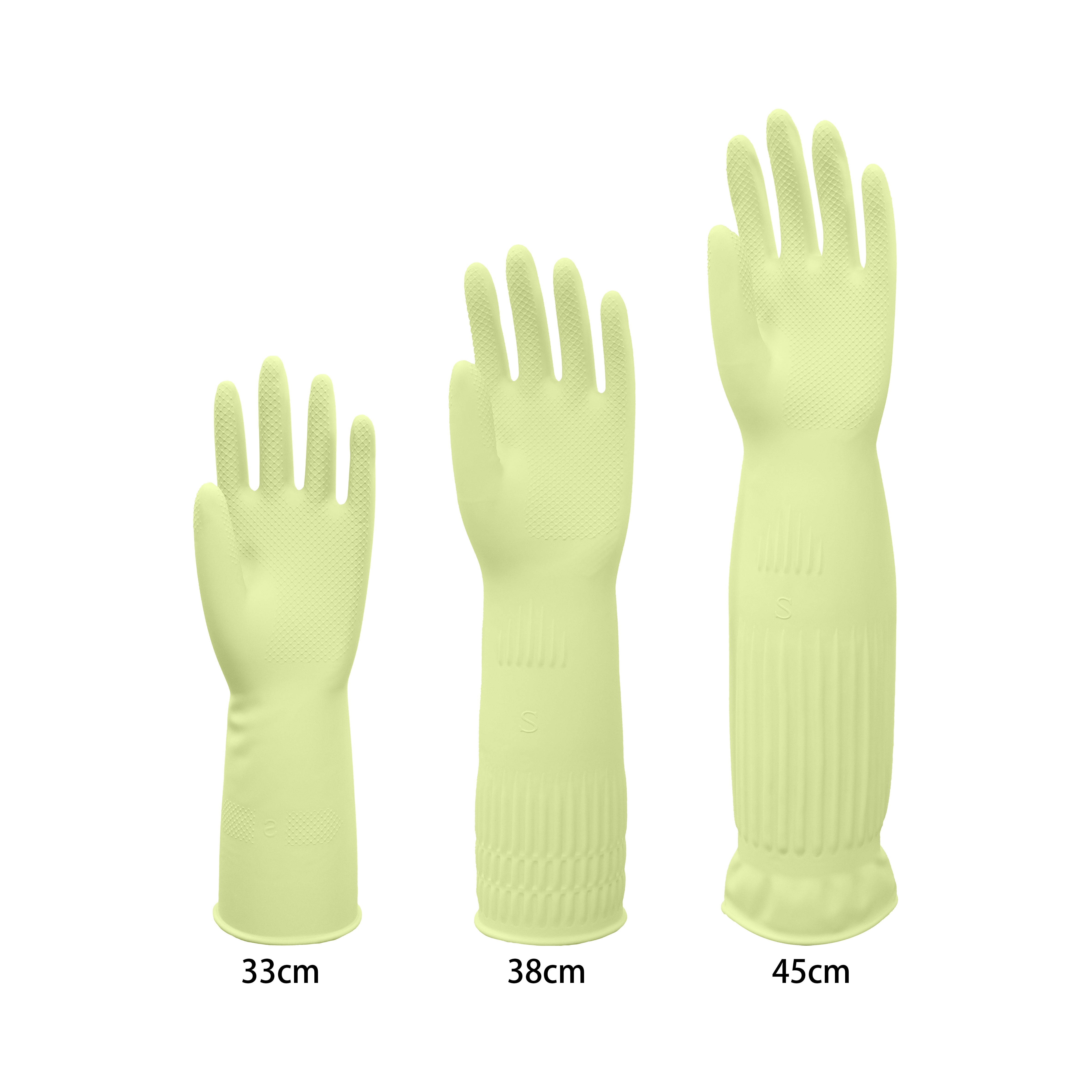
- Beaded Cuffs: A rolled edge at the wrist provides extra mechanical strength during donning (pulling the glove on) and creates a barrier that prevents liquid droplets from wicking down the arm.
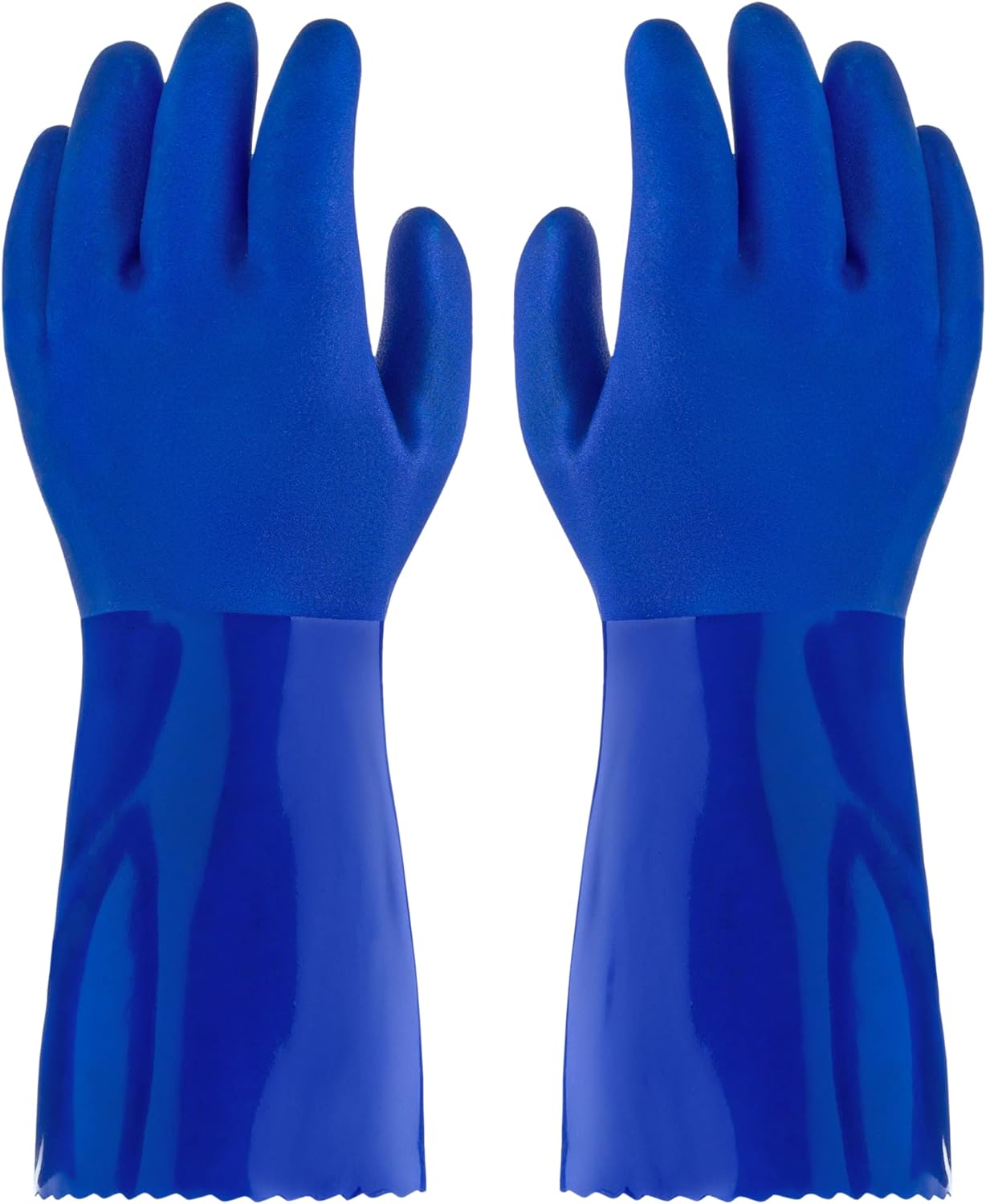
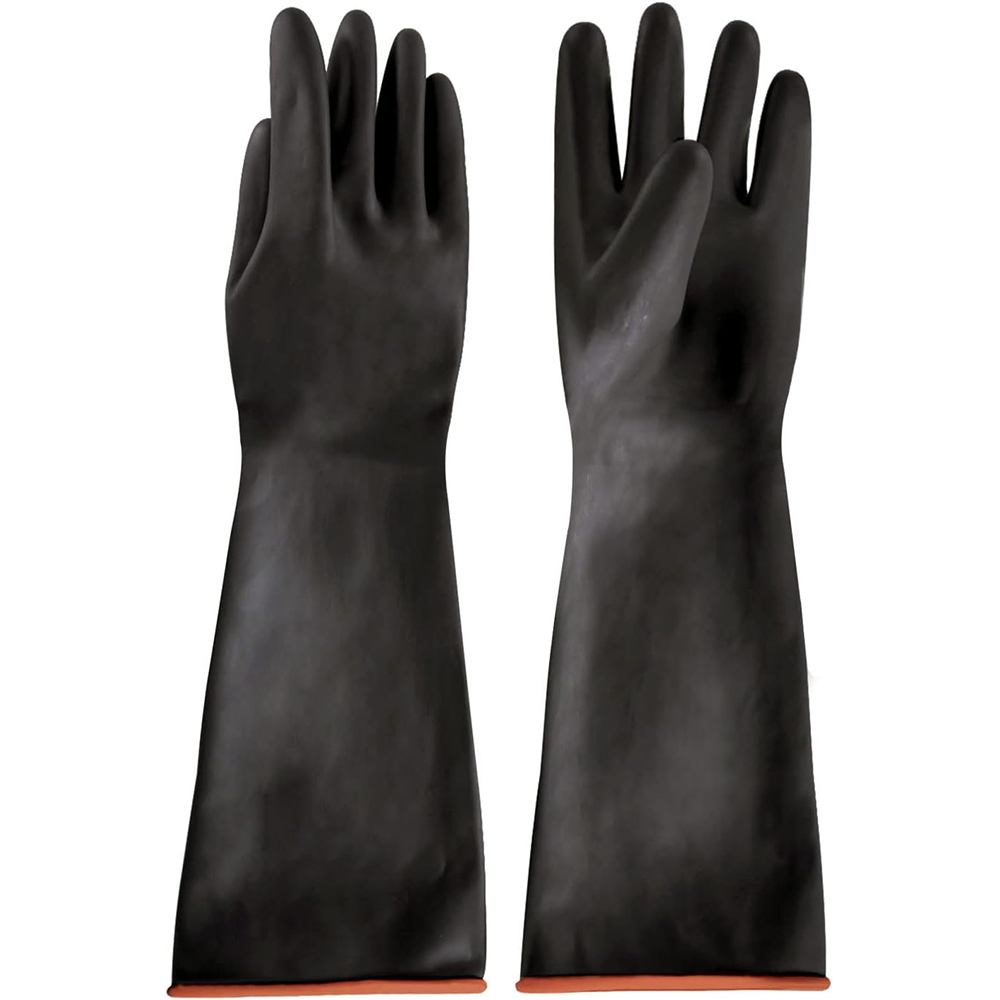
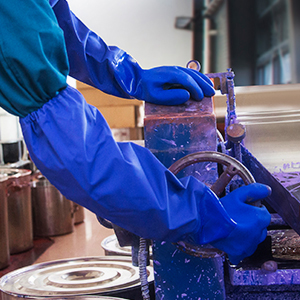
- Gauntlet / Long Cuffs: For “wet work” involving deep sinks or chemical tanks, standard 12-inch gloves are often insufficient. Specifying a gauntlet cuff (up to 15 or 18 inches) provides essential protection for the forearms and prevents liquids from entering the top of the glove.
- Wrist Fit: Gloves that fit snugly around the wrist are preferred for use with gowns or long-sleeved uniforms, as they provide a more reliable continuous barrier.
4. Material Integrity: Why ISO and SGS Certification Matters
For unsupported gloves, the quality of the polymer blend is everything. Since there is no fabric liner to provide strength, the glove relies entirely on its tensile properties.
- ISO 13485 & 9001: These certifications ensure that every batch of gloves is manufactured with a consistent thickness and chemical composition, preventing “weak spots” that could lead to punctures.
- FDA Compliance (21 CFR 177.2600): This is essential for reusable gloves used in food prep. It verifies that the rubber will not leach chemicals, odors, or tastes into food, even after repeated cleaning cycles.
- SGS Verified Durability: Third-party testing from organizations like SGS confirms the glove’s resistance to reversion (stickiness) and ensures the material can withstand numerous cleaning and disinfection cycles without degrading.
5. Cost vs. Benefit: Calculating the ROI of Upgrades
Because these gloves are an investment, proper care is critical to achieving a low Cost-Per-Use.
- Immediate Wash: Wash the exterior with mild detergent while still wearing the gloves to remove surface chemicals.
- Inside-Out Soak: Periodically soak the gloves inside out to clean the flocked lining and remove sweat salts.
- Mandatory Air Dry: Always hang gloves to dry in a well-ventilated area. Storing them while damp leads to mildew and material breakdown.
- Inspection: Before each use, perform a “field air test” by rolling the cuff to trap air and listening for leaks to ensure the barrier is intact.
Closing + CTA
By choosing high-performance features like cotton flocking, embossed grip, and extended cuffs, you aren’t just buying a pair of gloves—you are implementing a professional-grade safety system. Our ISO-certified and SGS-tested reusable gloves are engineered to provide maximum durability and a lower long-term cost than disposable alternatives.
Ready to see the difference professional-grade rubber gloves can make for your team?