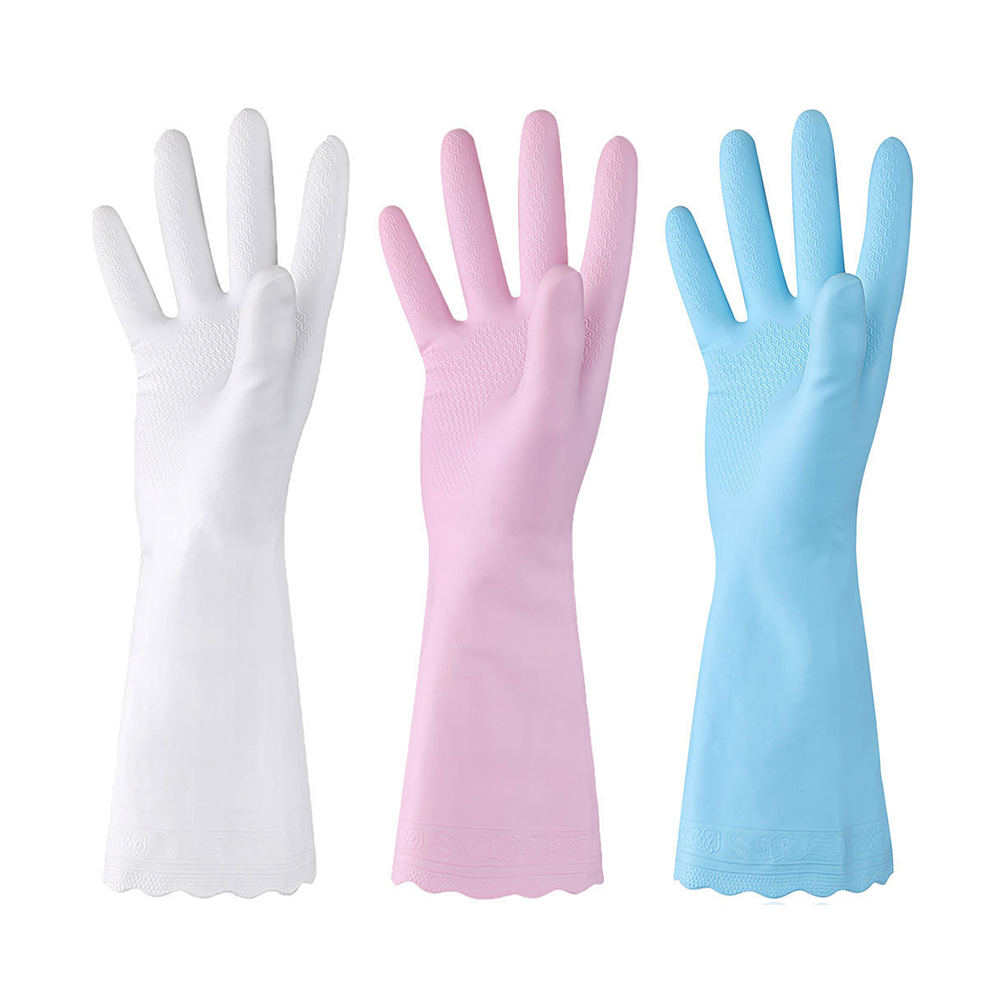
Intro (glove procurement checklist, industrial glove buying guide, nitrile glove procurement, PVC work gloves)

Buying the wrong glove costs money — in replacements, lost productivity, or safety incidents. This practical checklist helps procurement managers evaluate suppliers and glove SKUs across seven essential questions so you can choose the right latex, nitrile, or PVC product for each role in your workplace.
Question 1 — What exact hazard or task does the glove need to protect against?

- Define the primary hazard: chemical exposure, oils, abrasion, cuts, punctures, heat, or hygiene.
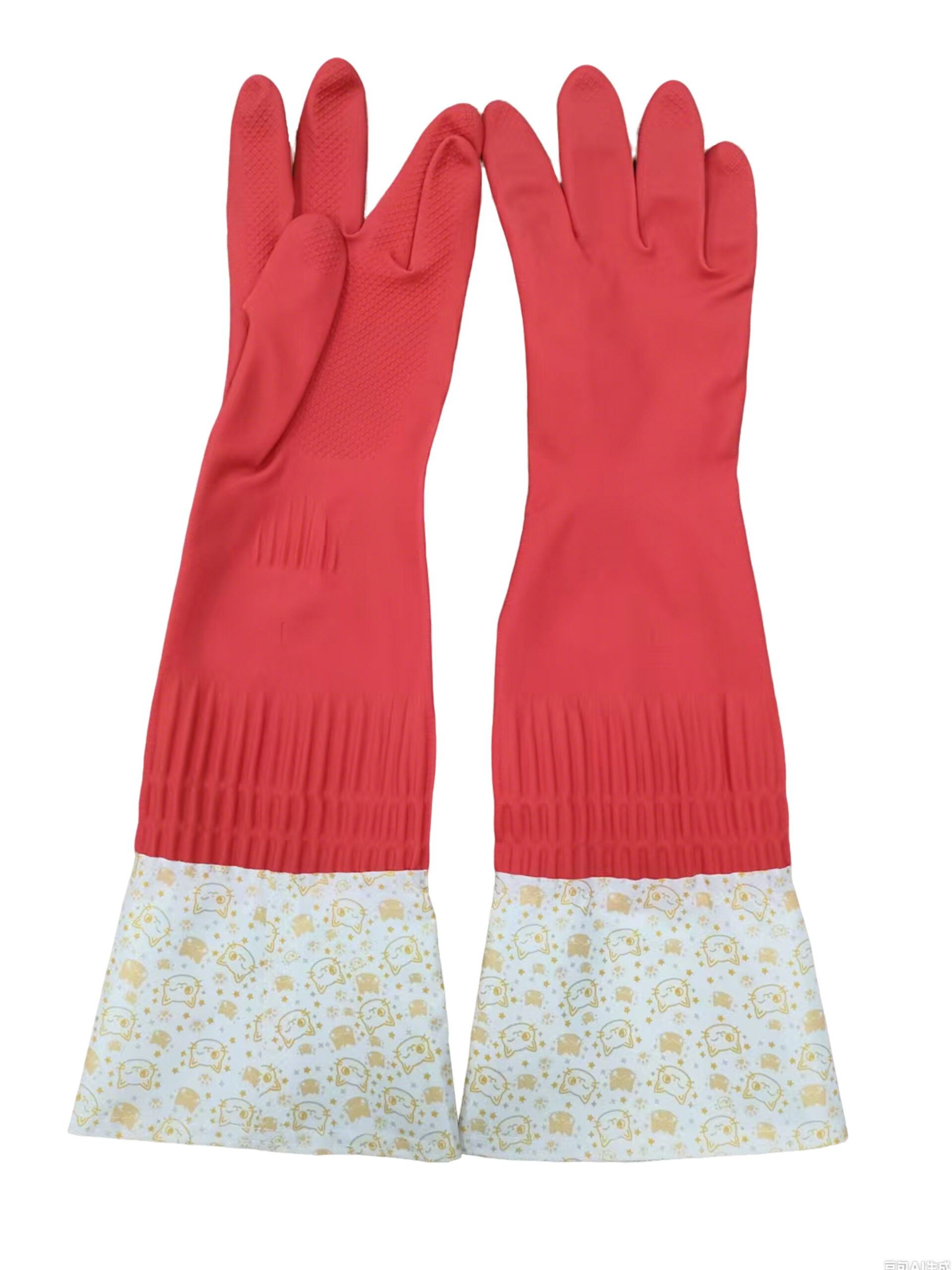
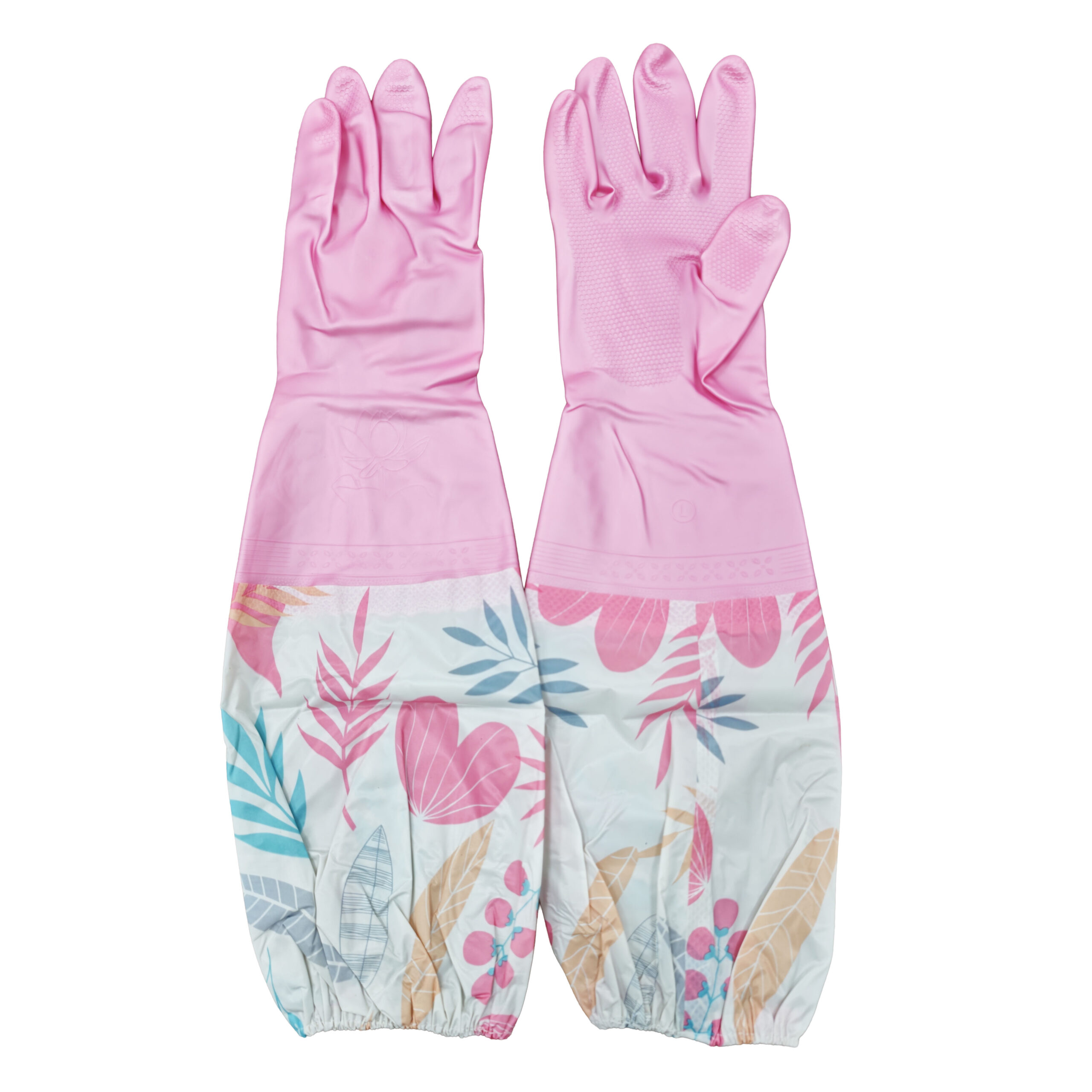
- Match hazards to material: nitrile for chemicals/oils, PVC for wet/oily environments, latex for dexterity tasks.
Question 2 — What performance data can the supplier provide?
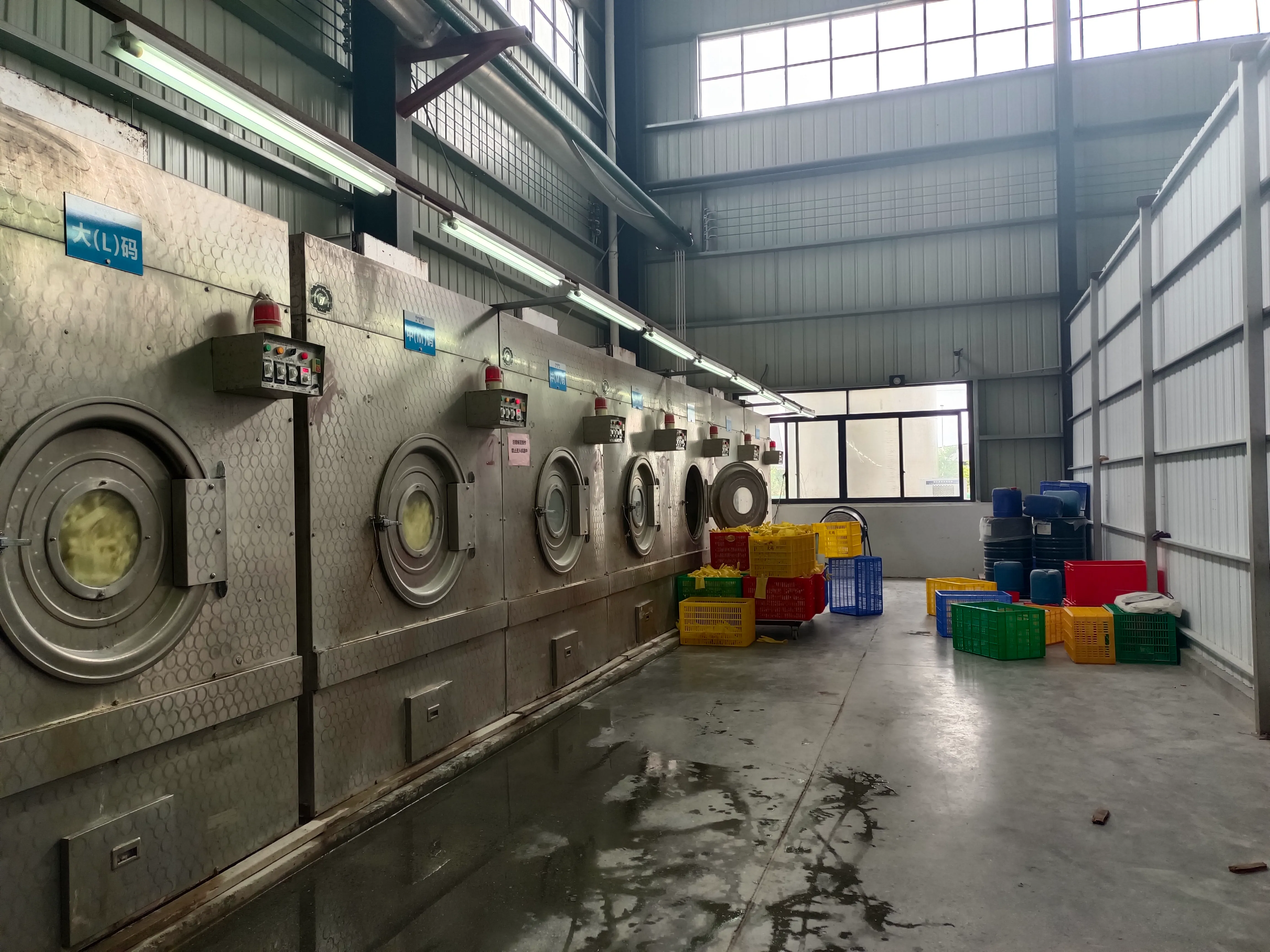
- Ask for certificates, chemical resistance charts, puncture and abrasion ratings, and any EN/ANSI test reports.
- Require sample test data when possible — real chemicals from your shop, not just generic charts.
Question 3 — What is the glove’s expected lifespan and cost-per-use?
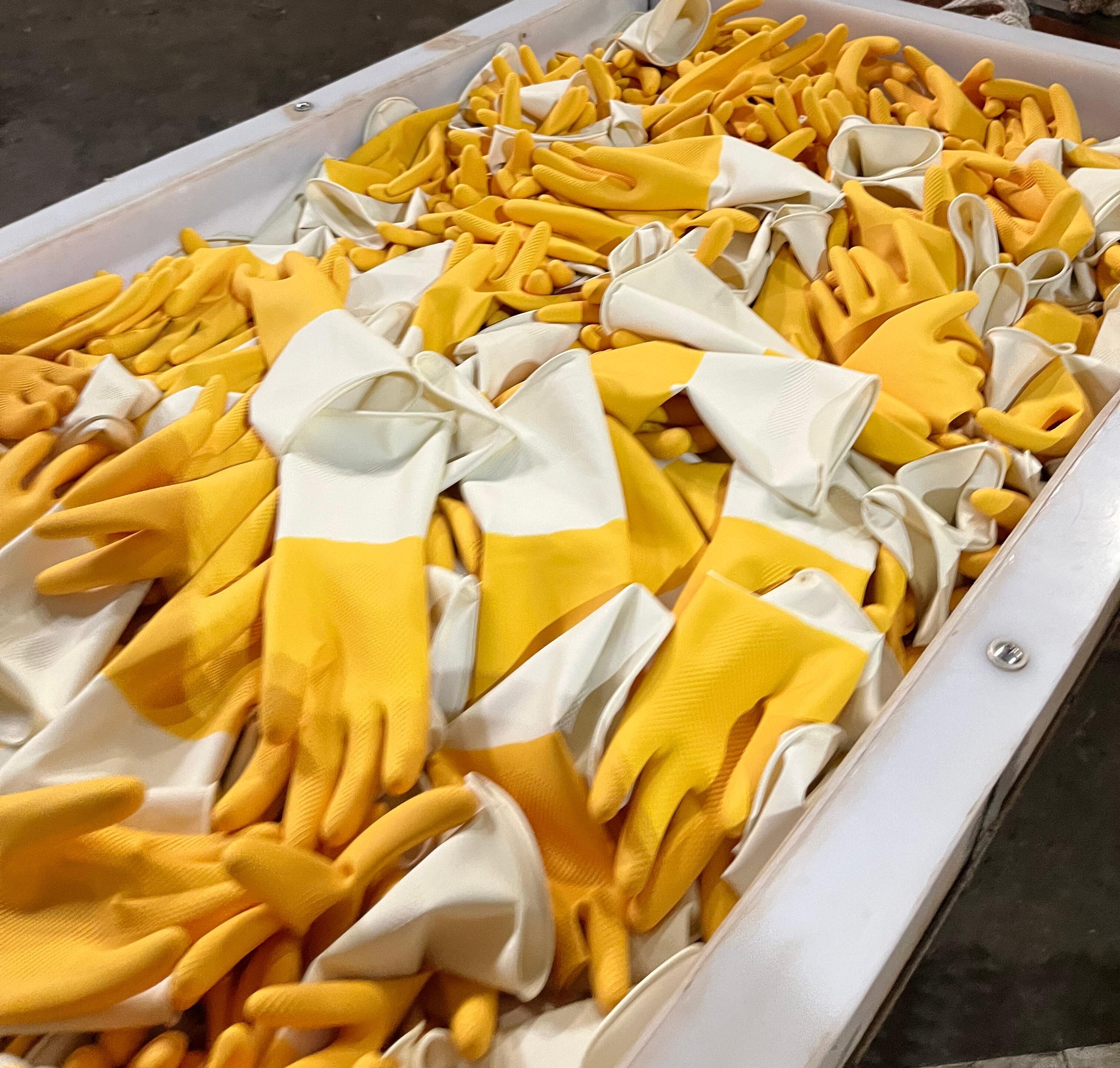
- Calculate cost-per-use considering reusability and failure rate.
- A higher unit price for a reusable glove can be cheaper across a month than frequent disposables.
Question 4 — Can the supplier supply consistent sizes, colors, and packaging?
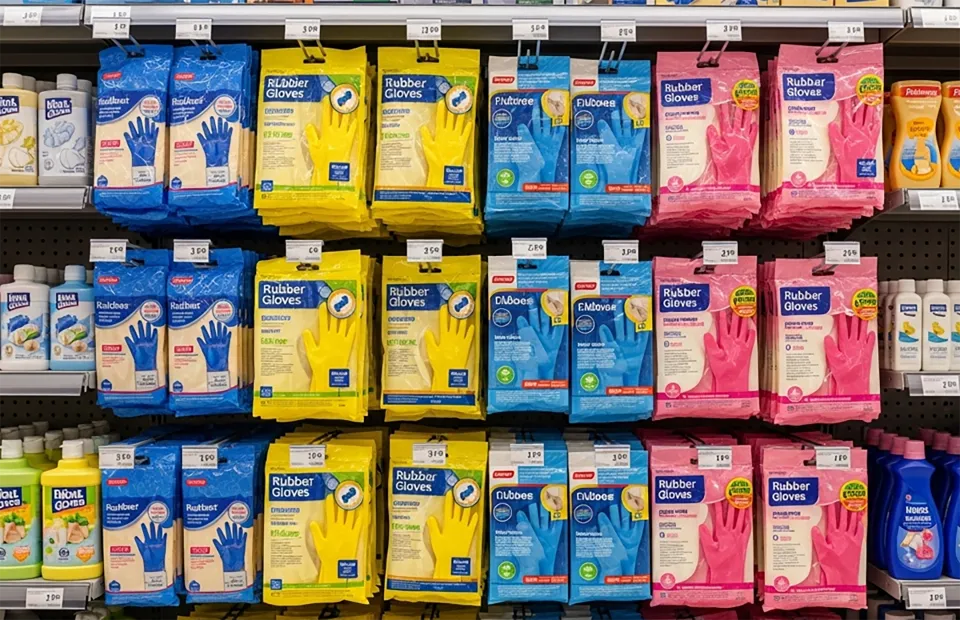
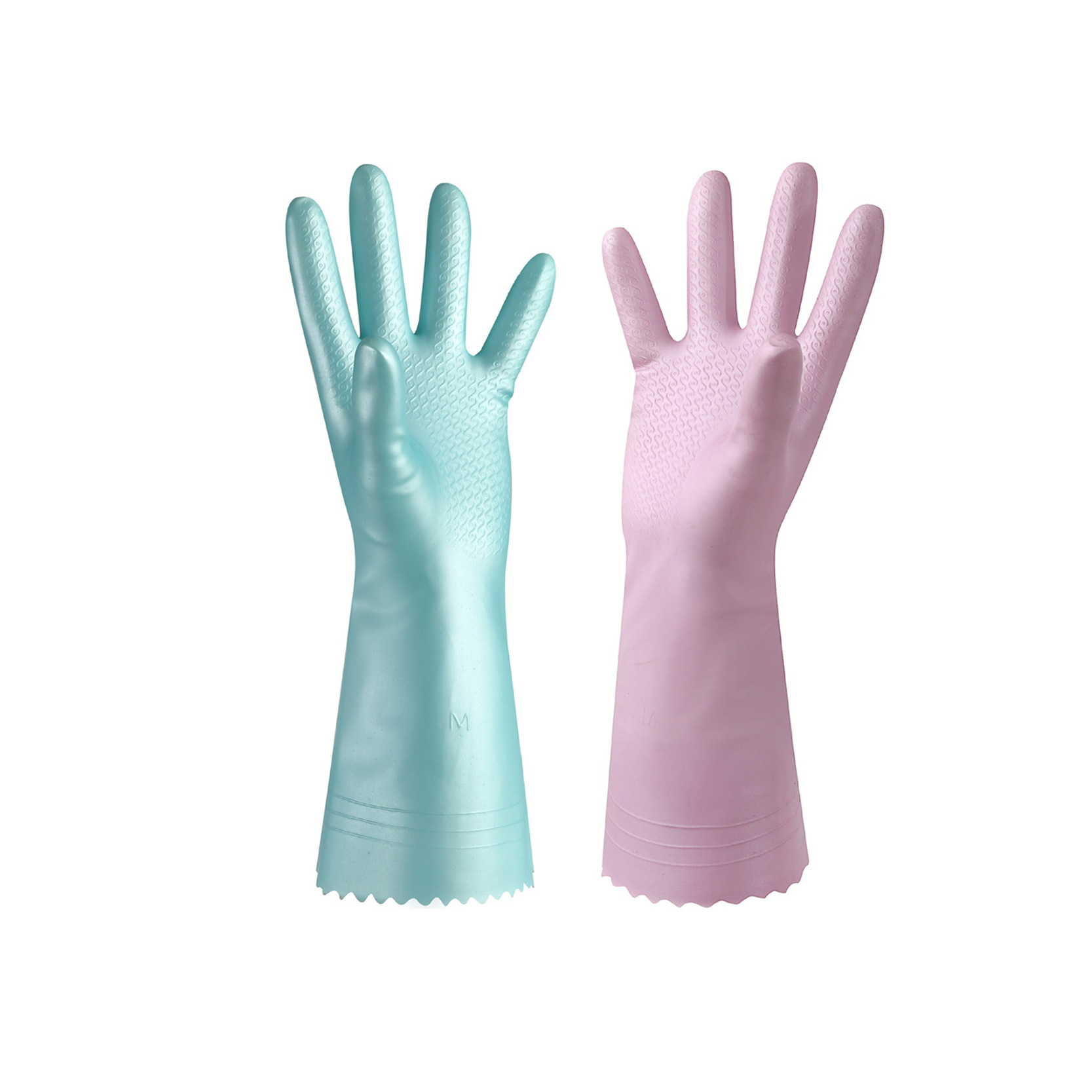
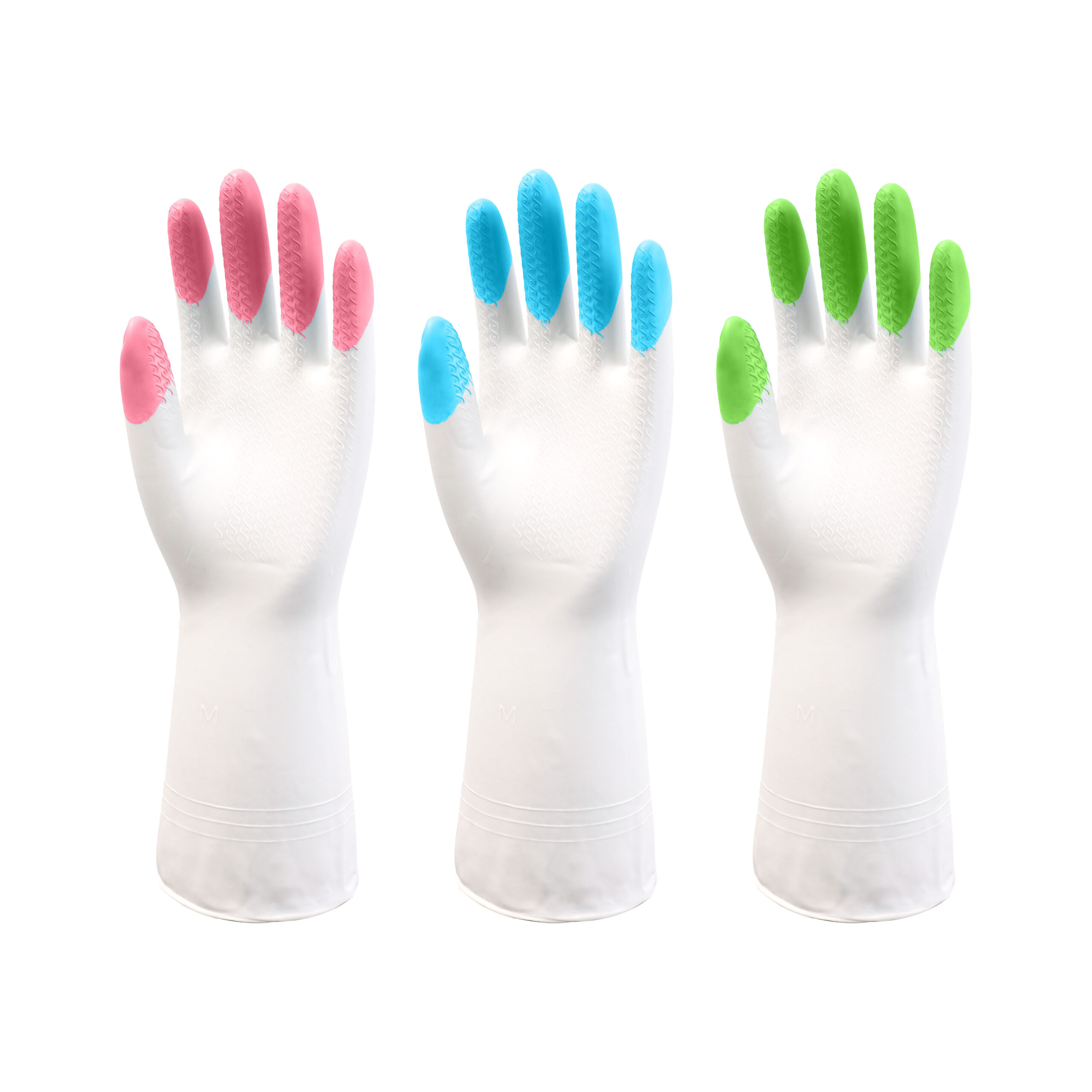
- Consistency reduces returns and makes deployment easier (e.g., dispenser boxes, color-coded packs).
- Ask about MOQ per color and lead times for each SKU.
Question 5 — What sample & field-trial process does the supplier offer?
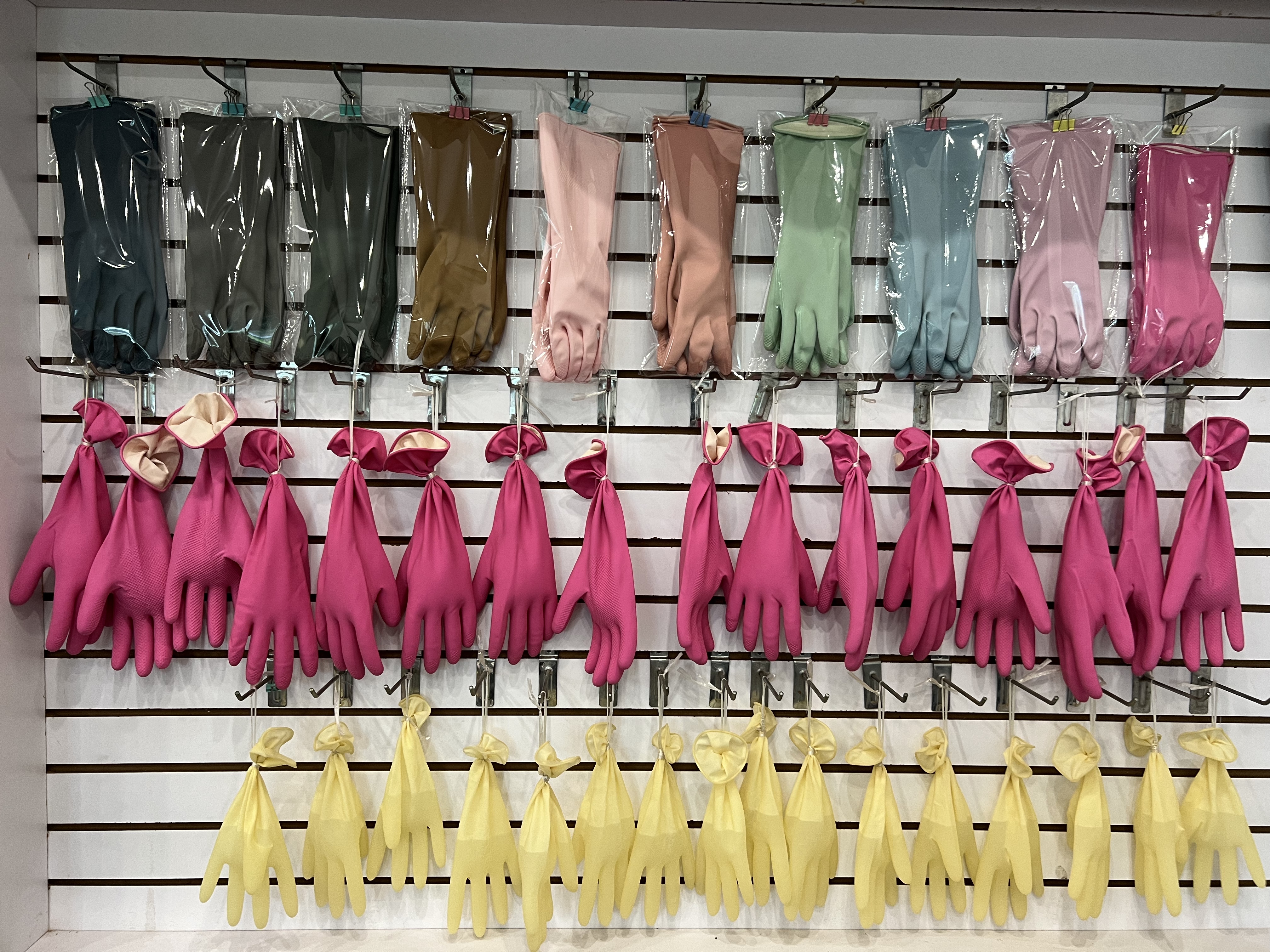
- Run a 2–4 week field trial sampling the exact tasks and collect structured feedback (comfort, failures, dexterity).
- Only scale after positive field data.Thicker nitrile or reinforced latex
Question 6 — How robust is supplier QC, traceability & after-sales support?)
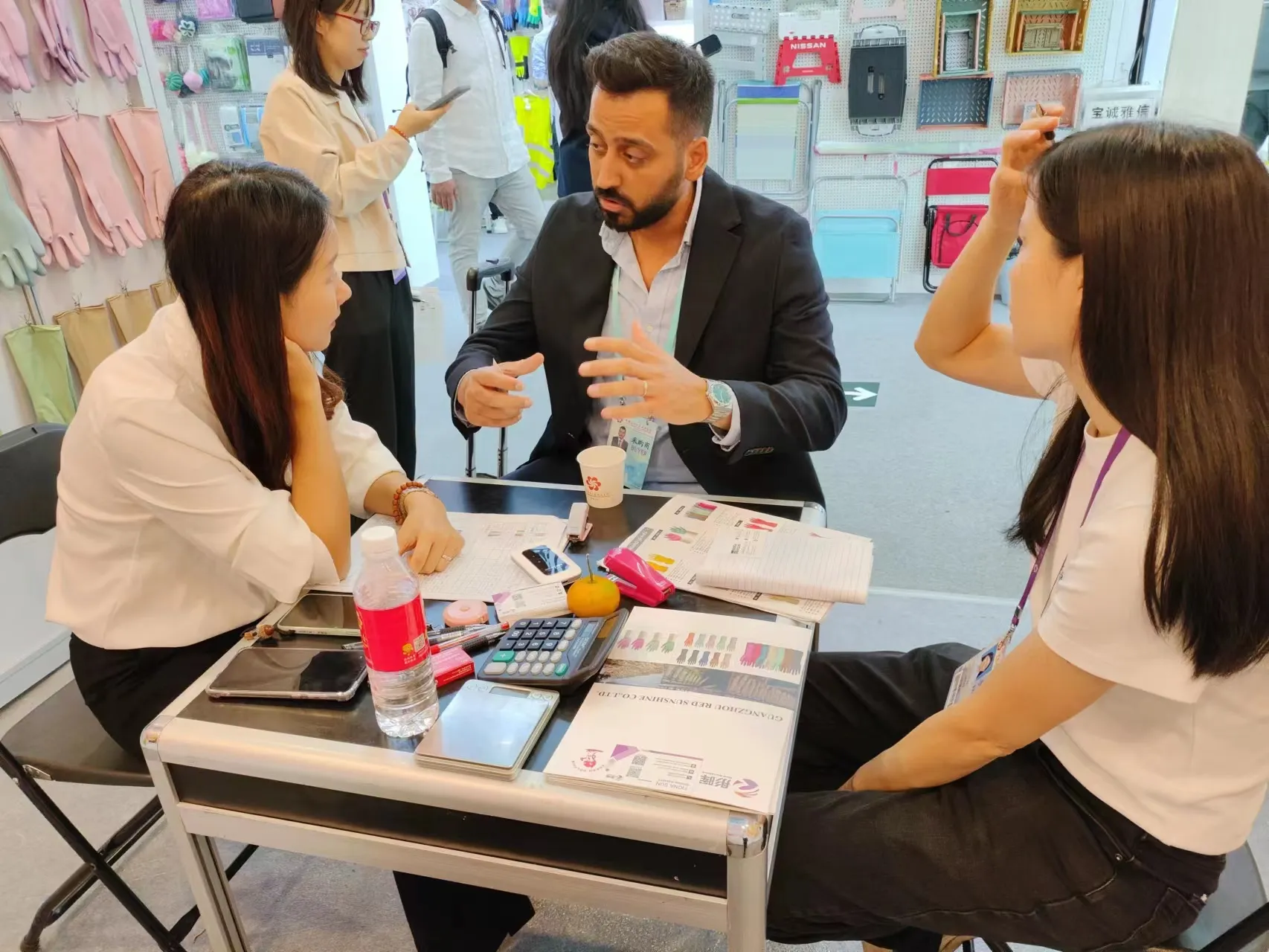
- Confirm factory (or factories), production capacity, QC protocols, and traceability for each batch.
- Ask about replacements for failed batches and lead time for urgent orders.
Question 7 — Are there customization & compliance options (printing, packaging, certifications)?
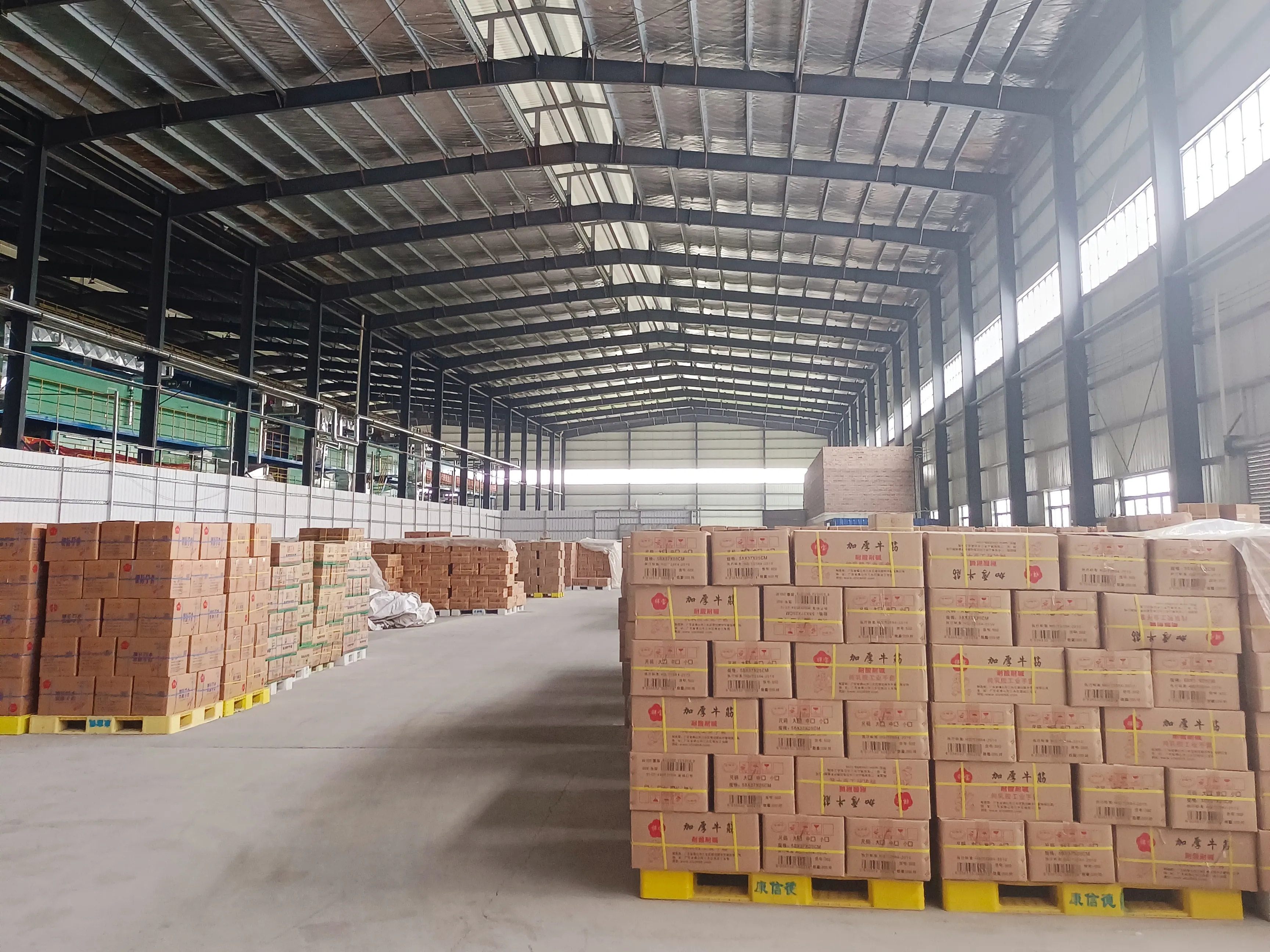
- Can the supplier print logos, supply private-label cartons, or provide specific package sizes?
- For supermarkets or food processors, request food-grade certification or declaration of compliance.
Procurement Playbook (short steps)
- Map roles & hazards → decide material mix.
- Request 3–5 SKU samples per role.
- Run field trials with feedback forms.
- Analyze cost-per-use + incident data.
- Negotiate MOQ, lead times, and after-sales SLA.
- Roll out phased replacement and training.
Closing + CTA
Need a procurement-ready sample pack or a custom trial plan? Guangzhou Red Sunshine Co., Ltd. offers industrial sample kits, material test certificates, and a free field-trial checklist for procurement teams.