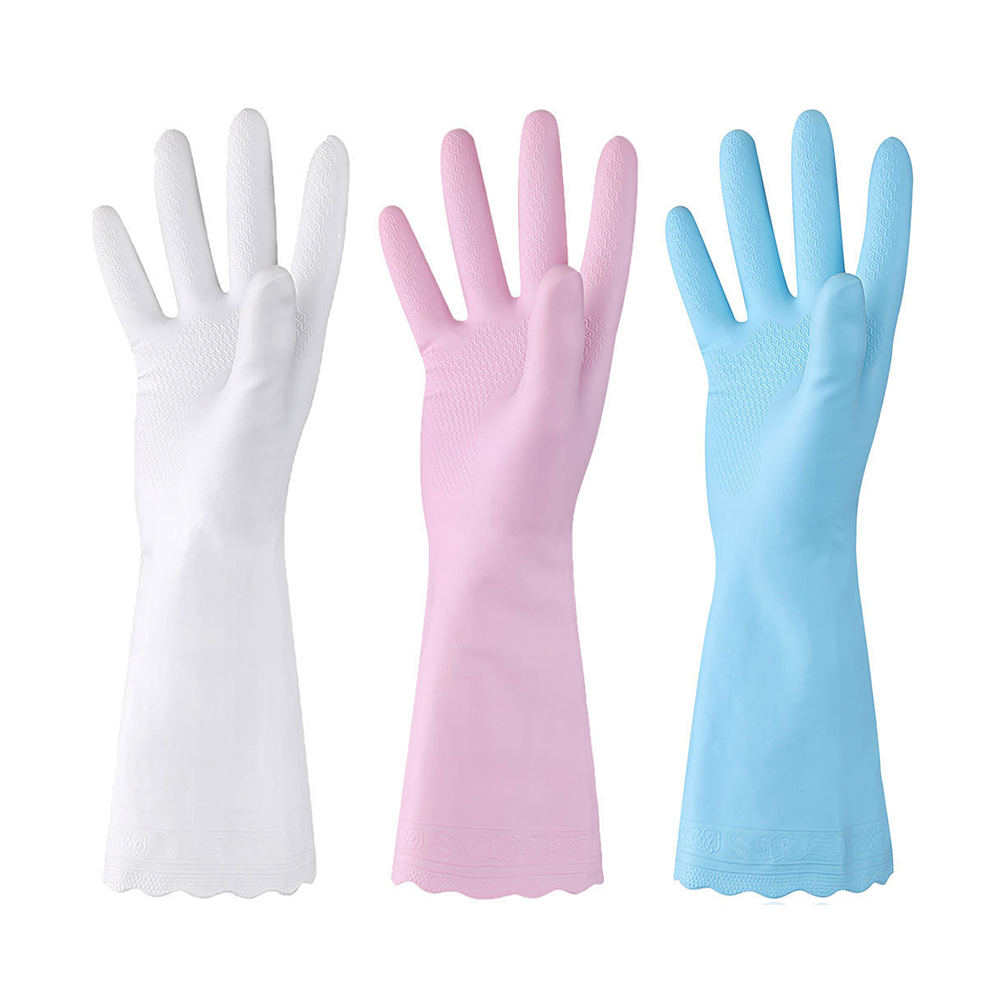
Intro (HS Code for Rubber Gloves)
In international trade, a single digit can be the difference between a seamless delivery and a shipment stuck in “customs limbo.” For importers of reusable rubber gloves (Latex, Nitrile, and PVC), HS code errors are a leading cause of unexpected duties, laboratory testing fees, and supply chain bottlenecks.
At Guangzhou Red Sunshine Co., Ltd., we’ve spent 20 years helping global buyers navigate the complexities of PPE and household-glove logistics. This guide outlines the most common HS-code mistakes, explains why small technical details (like lining and material weight) dictate your tariff rate, and provides a professional checklist to ensure your next shipment clears customs without a hitch.
1 — Why HS Codes Matter (And Why One Digit Can Cost You)
The Harmonized System (HS) code is the universal language of global trade. It determines your tariff rates, eligibility for Free Trade Agreements (FTAs), and whether your shipment requires specialized safety certifications. For reusable gloves—typically falling under Heading 4015—customs authorities prioritize three areas of scrutiny:
- Material Composition vs. Declared Code: Is the “nitrile” glove actually a PVC/Nitrile blend?
- Declared Unit of Quantity: Are you declaring in “Pairs,” “Pieces,” or “Dozens”? (Discrepancies here trigger immediate audits).
- Technical Documentation: Does the Commercial Invoice match the Packing List and the specific Test Reports (e.g., chemical resistance)?
If the HS code is deemed incorrect, customs can force a re-classification, often shifting your goods into a higher-duty bracket, or worse, issuing anti-dumping penalties if the category is sensitive.
2 — Common HS-Code Mistakes Importers Make with Reusable Rubber Gloves
1. Using the “Disposable” Code for Reusable Gloves
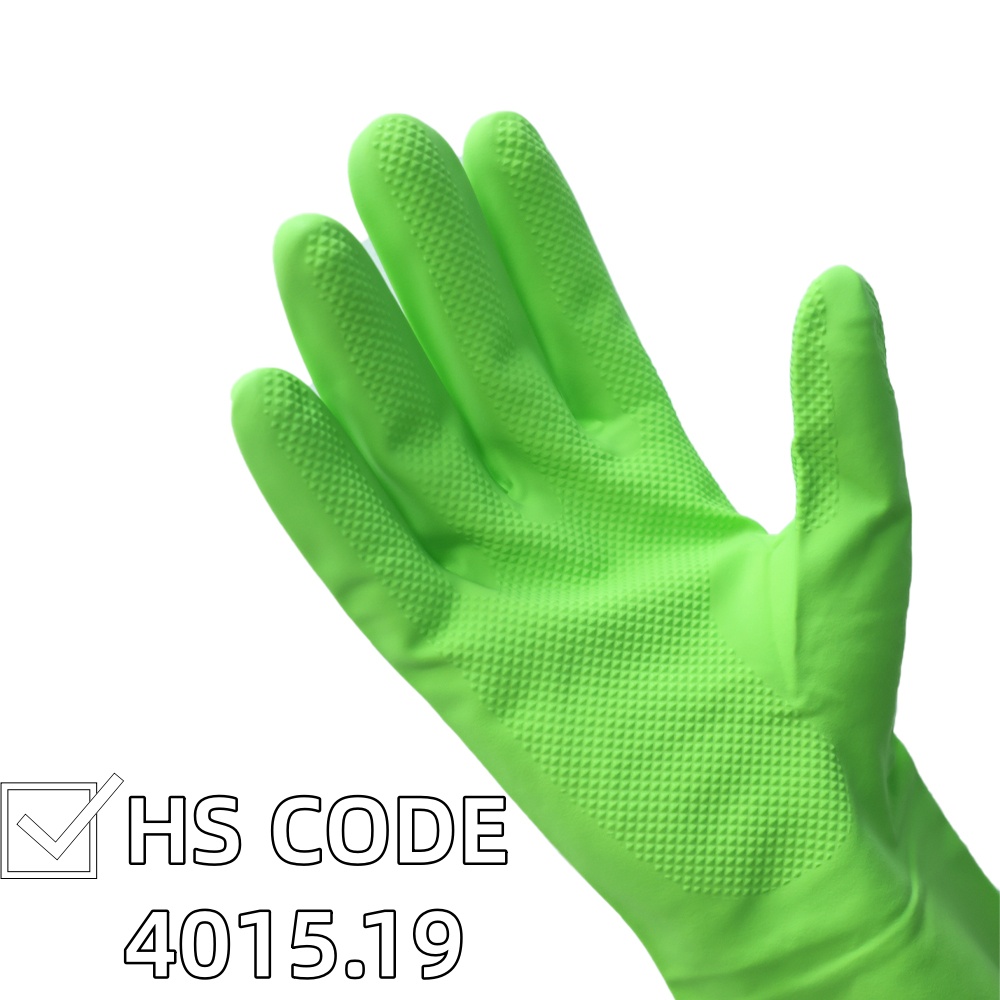
The most frequent error is classifying heavy-duty reusable gloves under the codes reserved for disposable medical or surgical gloves (4015.11). Reusable household and industrial gloves typically fall under 4015.19. Using the wrong sub-code can trigger unnecessary medical-grade inspections (like FDA or MHRA) that do not apply to your product.
2. Unit of Quantity Mismatch (Pairs vs. Pieces)
While many commodities are sold by “Piece,” the international standard for reusable household gloves is almost always “Pair.” If your invoice lists “10,000 Pieces” but the customs entry expects “Pairs,” your duty calculation will be mathematically flawed, leading to a “red lane” inspection.
3. Misstating the “Intended Use” (Household vs. Industrial)
In many jurisdictions, “Household” gloves and “Industrial” gloves carry different duty rates. If your marketing says “Industrial Grade” but you use a “Household” HS code to get a lower rate, you risk a fraud investigation for Tariff Engineering.
4. Ignoring the Lining/Shell Composite Rules
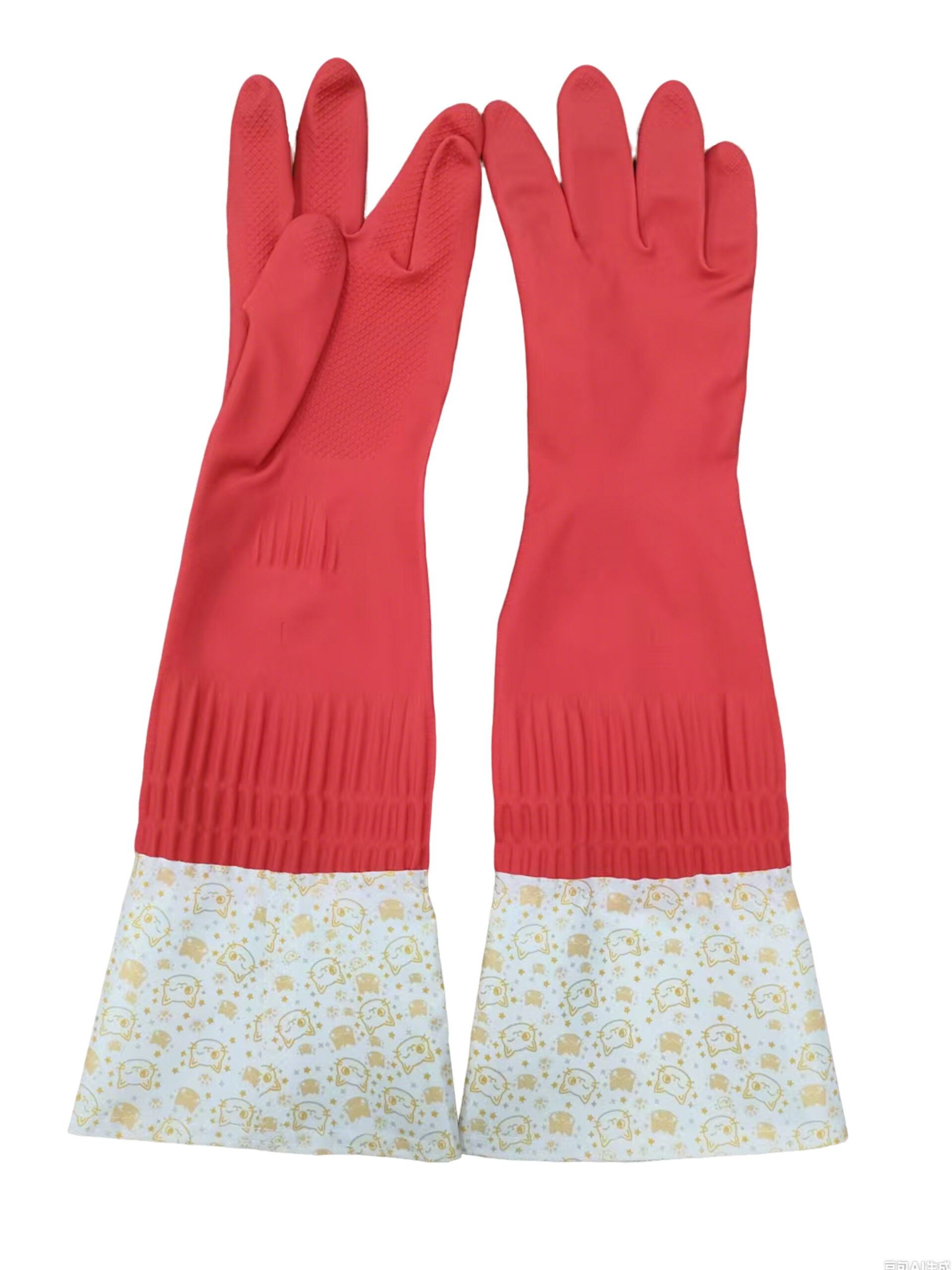
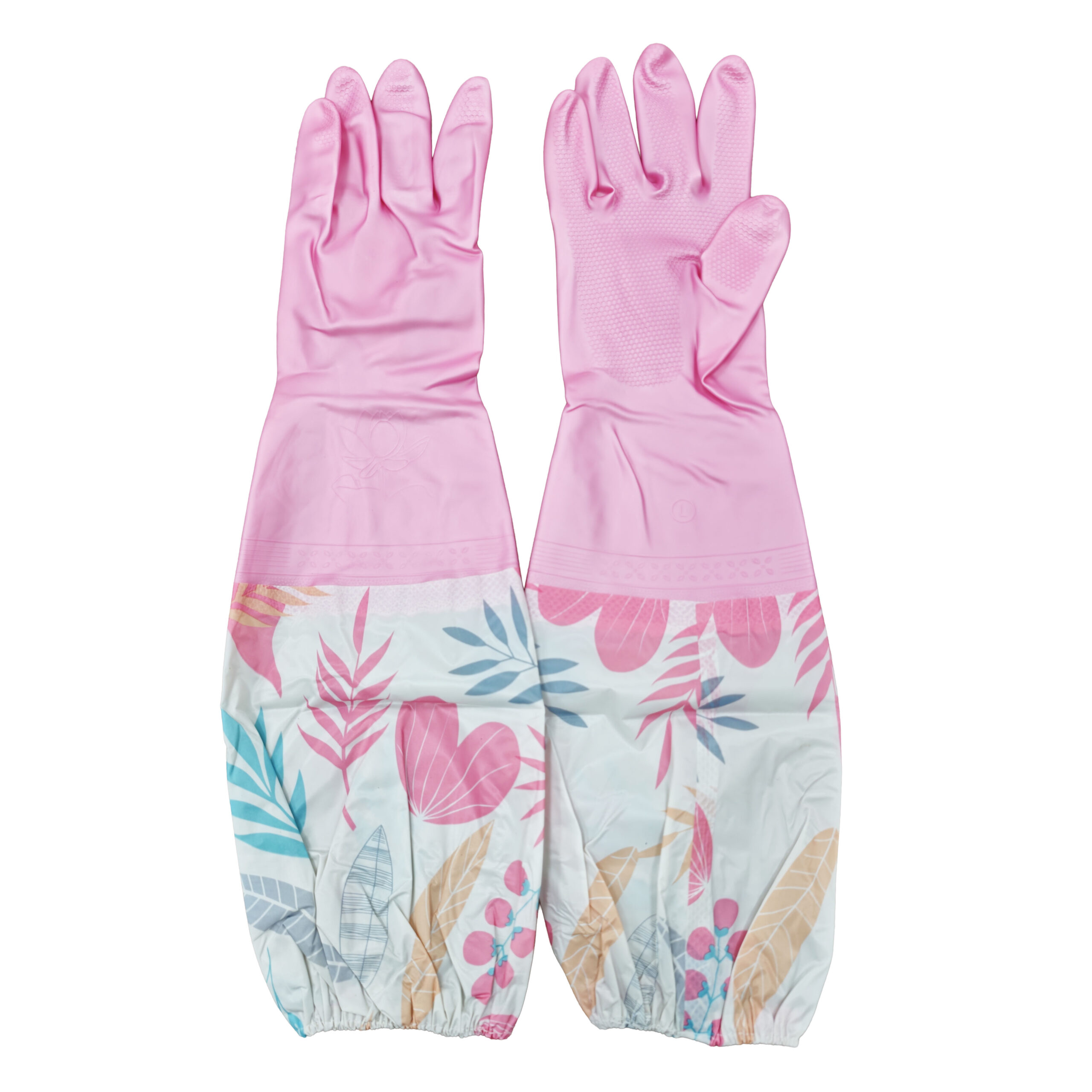
Reusable gloves often have flock linings (cotton) or knit shells. Customs rules dictate whether the classification follows the primary material (Rubber/Nitrile) or the component of greatest value. Forgetting to specify the lining can lead to a re-classification into “Textile Articles” in some regions.
5. Relying on Outdated Supplier “Generic” Codes
HS codes are updated every few years by the WCO (World Customs Organization). Importers often copy codes from 5-year-old invoices. Always verify the current national tariff schedule of your specific country (e.g., HTSUS for the USA or TARIC for Europe).
6. Inconsistency Across the “Golden Thread” of Paperwork
If your Commercial Invoice says “Nitrile Gloves,” your Packing List says “Cleaning Gloves,” and your Test Report says “Synthetic Polymer,” customs sees three different products. All terminology must be identical.
3 — Real Consequences: What Happens When Codes are Wrong
- Landed Cost Spikes: A 5% duty jump on a $50,000 container is a $2,500 surprise that eats your profit margin.
- Demurrage and Detention: Every day your shipment is held for re-classification, you pay port storage fees.
- Increased “Risk Score”: Once you have a mis-declaration on your record, customs is more likely to inspect every future container from your company.
- Lost Retail Windows: A 10-day delay can mean missing a seasonal promotion or losing shelf space to a competitor.
4 — A Practical HS-Code Checklist for Reusable Glove Importers
Before your shipment leaves our factory, confirm these 8 points with your customs broker:
- Exact Material Percentage: (e.g., 90% Natural Latex, 10% Additives).
- Explicit End-Use: (e.g., “Reusable household cleaning gloves—not for medical use”).
- Correct UOM (Unit of Measure): Ensure the invoice clearly states “PAIRS.”
- Description Alignment: Use: “[Material] [Function] Gloves, [Lining Type], [Weight]g per pair.”
- Check Local Rulings: Have there been recent anti-dumping changes for gloves in your country?
- FTA Verification: If using a Free Trade Agreement (like RCEP), does the HS code on the Certificate of Origin match the one on the entry?
- Regulatory Proofs: Have chemical resistance (EN 374) or food-safe (EU/FDA) reports ready.
- Broker “Dry Run”: Send the draft documents to your broker before the ship sails.
5 — How Guangzhou Red Sunshine Helps Buyers Avoid HS-Code Problems
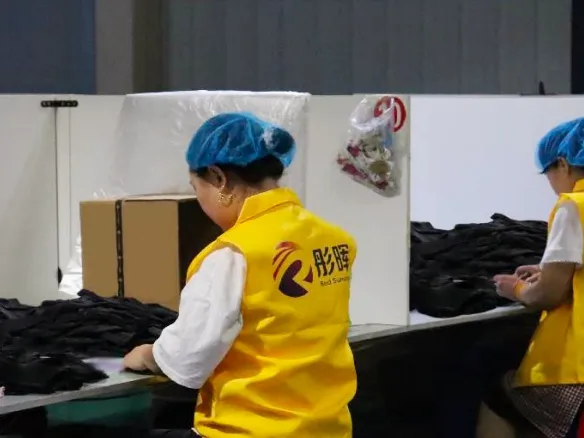
At Red Sunshine Glove, we act as your manufacturing compliance partner. We don’t just ship boxes; we provide:
- Detailed Material Datasheets: Precise breakdowns of Latex, Nitrile, or PVC content to satisfy customs laboratory queries.
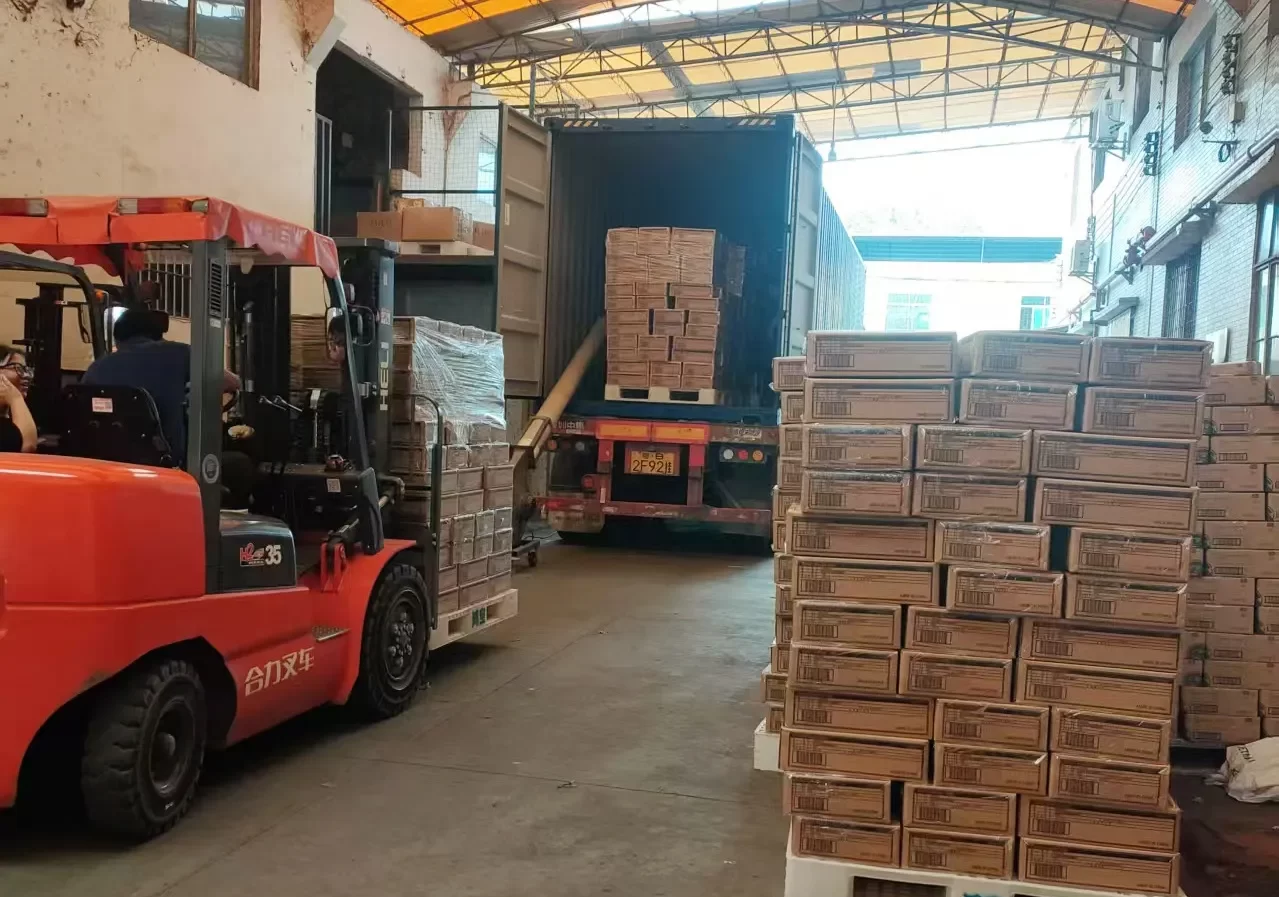
- Standardized Packing Lists: We ensure the “Gross Weight” and “Net Weight” are exact, preventing the weight discrepancies that often trigger audits.
- Pro-forma Accuracy: We offer suggested HS codes (like 4015.19.00) based on our 30 years of global shipping data to the USA, Europe, and SE Asia.
6 — When to Request a Binding Tariff Ruling
If you are importing a new “Hybrid” glove (like our PVC/Nitrile blend) in high volumes, we recommend applying for a Binding Tariff Ruling. This is a legal document from your government confirming the code for your specific product, providing 100% protection against future re-classification.
7 — Sample Email Template to Send Your Customs Broker
Subject: HS Code & Duty Confirmation — PO #[Order Number] — Reusable [Latex/Nitrile] Gloves
Hi [Broker Name],
We are preparing a shipment of reusable gloves from Guangzhou Red Sunshine. Please confirm the correct HS code and duty rate for the following:
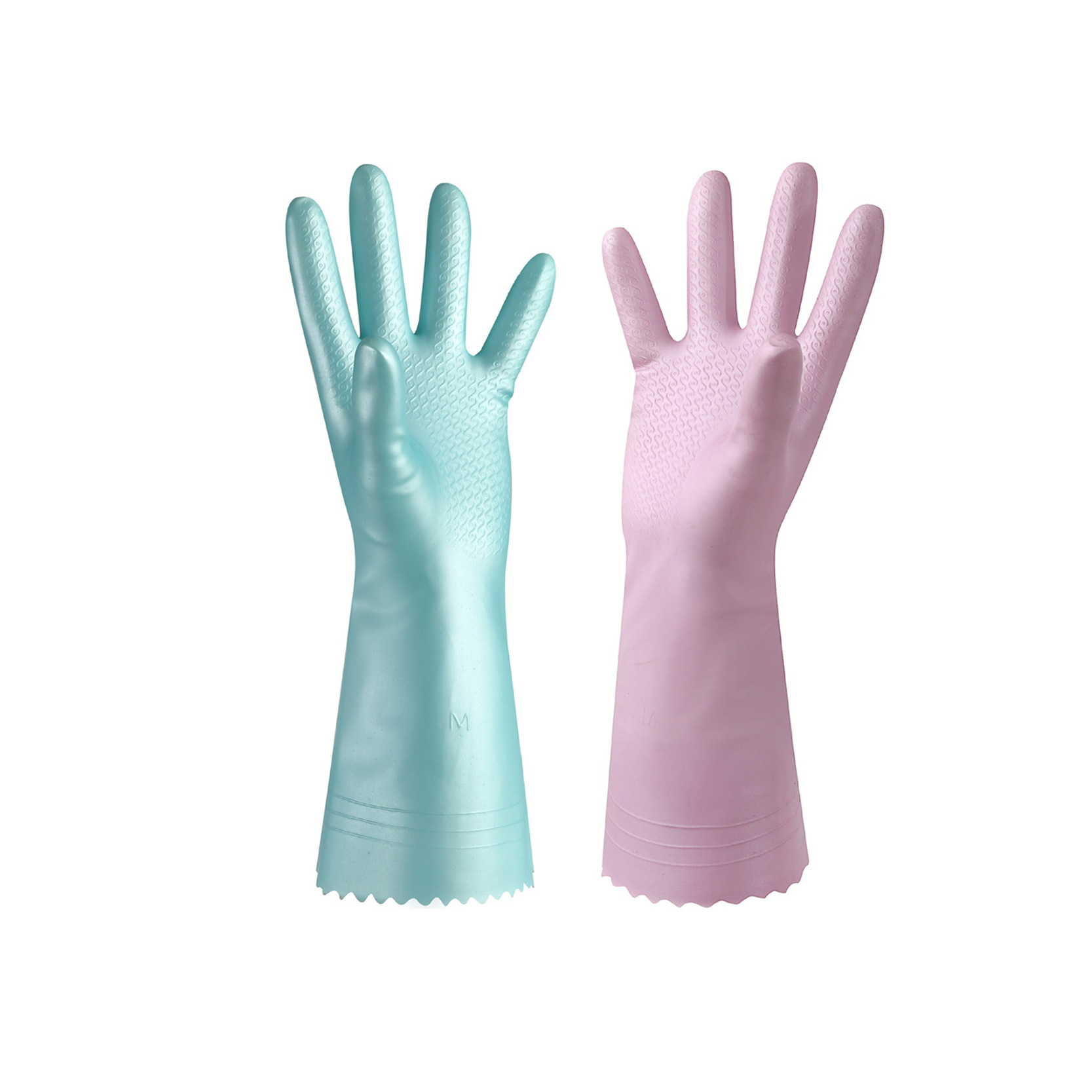
- Product: Reusable Nitrile Household Gloves (Flock-lined).
- HS Code Suggestion: 4015.19.00 (Other than surgical).
- Material: 100% Synthetic Nitrile (No Natural Latex).
- Unit of Quantity: Sold and packed in PAIRS (50 pairs per carton).
- Application: General household cleaning and food handling.
- Origin: China (Guangzhou).
Please advise on the duty rate and if any additional documentation (Food-Grade certificates) is required for clearance.
Best regards,
[Your Name]
FAQ
Q: Why can’t I use the “Medical” HS code?
A: Unless the gloves are sterilized and designed for surgical use (4015.11), using this code invites strict FDA/medical oversight and often carries different tariff rates.
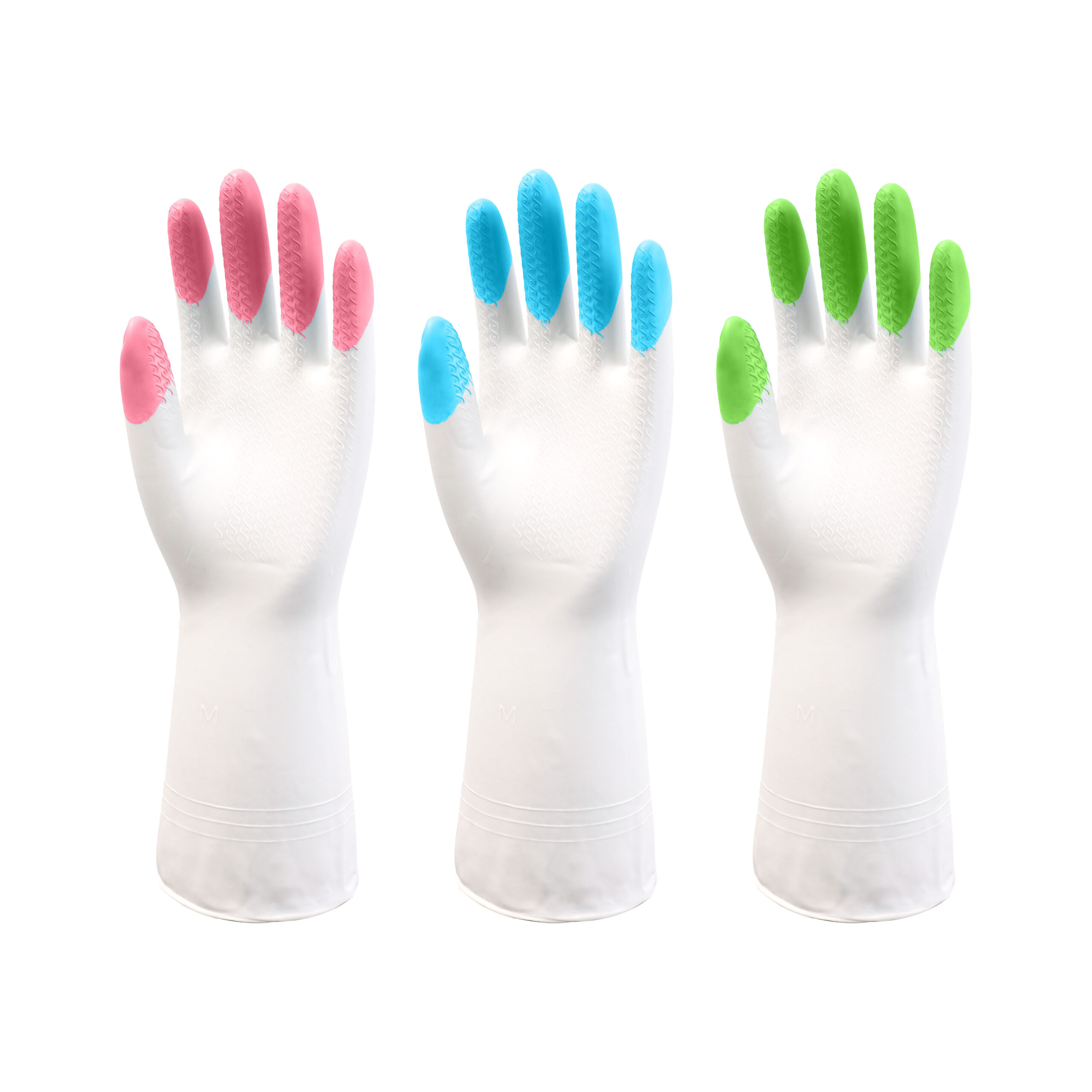
Q: Does the color of the glove affect the HS code?
A: Usually no, but the weight and thickness do. Industrial gloves are often classified by their durability and chemical resistance.
Q: My supplier used HS 4015.90.00. Is that okay?
A: That is the “Other” category. It is a “catch-all” and often attracts higher scrutiny. It is always better to be specific with 4015.19.
Quick Mistakes Checklist
- Listed as “Disposable” instead of “Reusable”
- Invoiced in “Pieces” instead of “Pairs”
- Description doesn’t mention the material (Latex vs. Nitrile)
- Missing “Food-Safe” declaration for kitchen-use gloves
Closing + CTA
HS code compliance is the foundation of a profitable import business. Don’t let a simple paperwork error become a financial burden. At Guangzhou Red Sunshine, we provide the documentation you need to make customs clearance a non-event.
Need a compliance pack for your next order?