Introduction
Navigating glove import regulations is the single most effective way to prevent costly customs delays and mandatory relabeling at the port. For 2025, vigilance remains key, especially with increased scrutiny on food safety declarations and personal protective equipment (PPE) claims.
This regulatory snapshot covers the essential glove labeling requirements, the paperwork needed for food-grade declarations, the basics of CE/EN compliance, and the critical documentation importers must keep on file. By focusing on these five areas, you can ensure your product moves quickly through customs and maintains compliance across major global markets.
1. The Essential Paperwork: What Core Labeling & Documentation Must Glove Importers Keep on File?
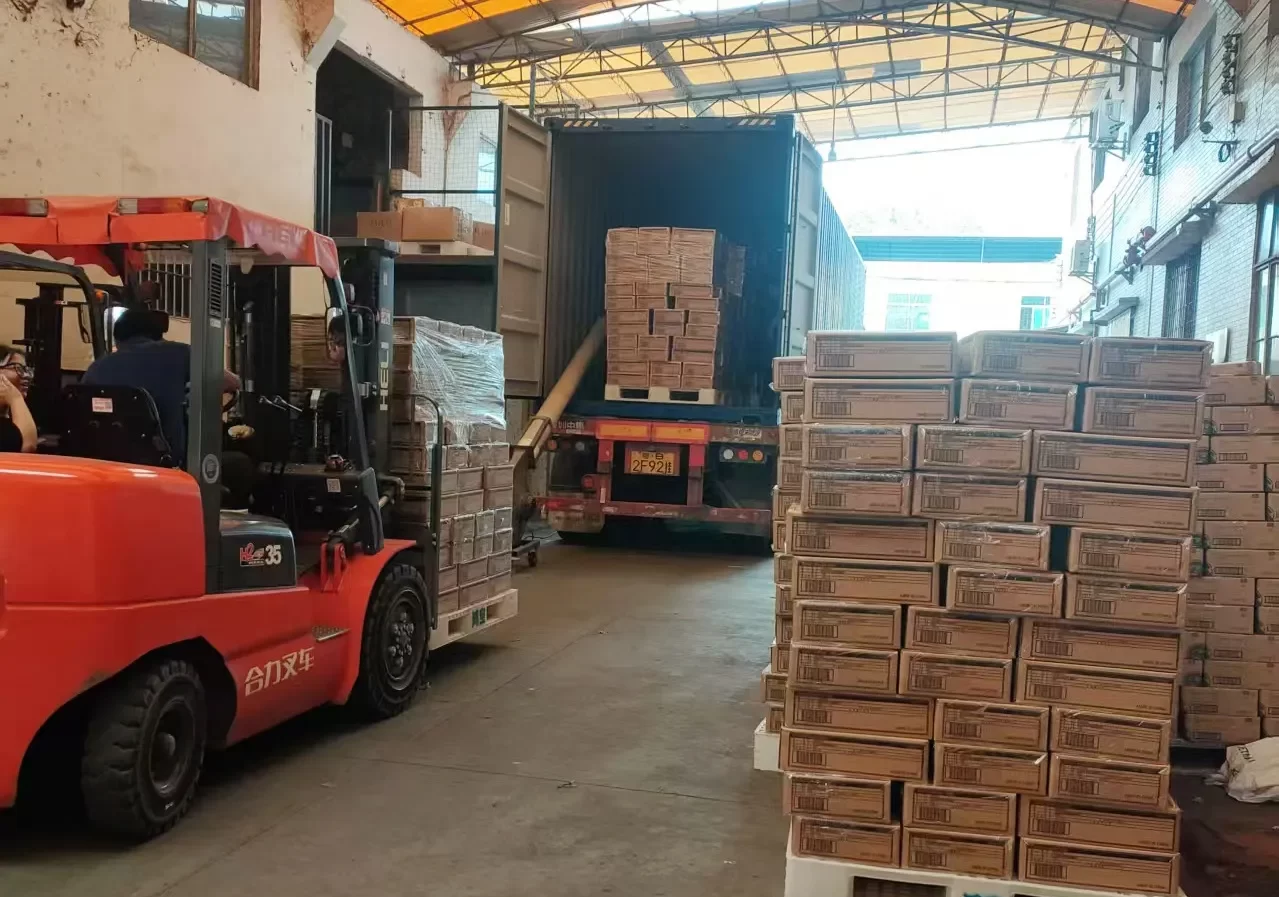
Customs clearance begins with verifiable information. Without the correct documentation, your shipment is immediately flagged for inspection and potential detention. Importers must confirm that all required information is present and accurate on two fronts: the product label and the shipping documentation.
Product Label Must-Haves (Retail and Carton)
Every package of gloves must clearly display the following information:
- Material: Clearly state the material (e.g., Nitrile, Latex, Vinyl) and whether the product is powdered or powder-free.
- Size Range: The correct size designation (S, M, L, etc.).
- Batch/Lot Code: A unique manufacturing number for traceability (discussed in Section 3).
- Manufacturer Information: Full name and address of the manufacturing entity and the importer of record.
- Country of Origin (COO): Clearly marked (e.g., “Made in Malaysia”).
- Care/Use Instructions: Basic instructions or warnings (e.g., “Single Use Only” or “Store in a Cool, Dry Place”).
Required Shipping Documentation
For every shipment, ensure these documents are readily available:
- Commercial Invoice & Packing List: Must include the correct HS code (Harmonized System Code) and a detailed, accurate product description.
- Certificate of Analysis (COA): Demonstrates that the glove material meets quality standards.
- Third-Party Lab Reports: Essential for any protective claims (e.g., chemical resistance).
- Proof of FDA/Regulatory Registration: Documentation showing compliance with the target market’s general safety and device regulations.
Special Case: Food-Grade Products & Food Safety
If you are selling gloves to food processors, restaurants, or anyone handling food, compliance requires an additional step.
Food-grade products must include an explicit “food contact safe” declaration on the packaging. Additionally, you must be able to provide the supplier’s HACCP documentation or other food-safety management credentials if requested by a customs or public health auditor.
Link: Understanding How the FDA Regulates Substances that Come into Contact with Food
2. Shelf Life and Degradation: How Long Are Nitrile and Latex Gloves Usable?
While not always a mandated regulation, listing an expiry date is a best practice that establishes trust and is required by many retailers. Glove materials naturally degrade over time, which compromises their barrier protection and integrity.
| Material | Practical Shelf Life Range (From Date of Manufacture) | Key Factor |
| Nitrile | 3–5 Years | Ozone and UV exposure |
| Latex | 3–5 Years | Temperature, humidity, and chemical exposure |
| Vinyl | 2–3 Years | Plasticizer migration and hardening |
As the importer, you are responsible for ensuring your inventory is rotated and sold within these limits. Customs officials rarely check expiry dates, but public health audits and retail buyers will. To be compliant, always ensure your labels include the production date and that your warehousing minimizes exposure to heat and direct sunlight.
Link: Read our in-depth guide on [Proper Glove Storage and Warehouse Management].
3. Protecting Your Shipment: Why Are Batch Codes and Traceability So Critical?
A single batch or lot code is the cornerstone of regulatory compliance. It provides a unique identifier linking every glove carton back to its original raw materials, production line, and quality control records.
The Role of Traceability in Compliance:
- Product Recalls: If a quality defect (like a pinhole issue) is identified, a batch code allows regulators to limit a recall to only the affected product range, preventing an expensive recall of your entire inventory.
- Customs & Audits: Auditors rely on the batch code to match the physical product to the corresponding Certificate of Analysis (COA) and any required regulatory test reports. If the codes don’t match, or if the code is missing, the entire shipment may be rejected.
Importer Action Item: You must have a system to verify supplier batch traceability before the product leaves the factory. Never accept a shipment where the batch code is missing or illegible on the retail boxes and the shipping carton.
4. Avoiding Customs Delays: Common Glove Packaging Claims to Avoid (And The Documentation Needed)
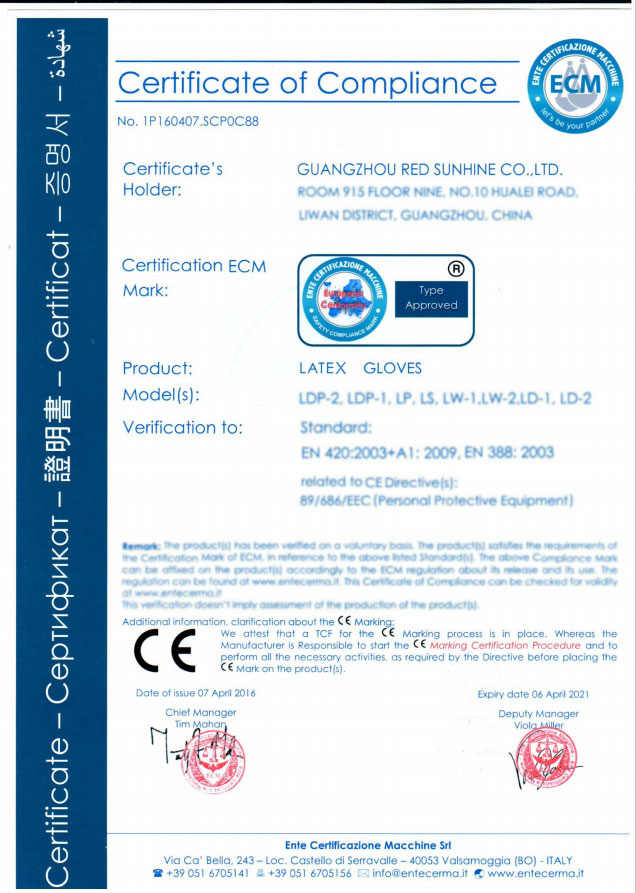
The fastest way to get your product stopped is by making a claim you cannot immediately back up with documentation. CE marking gloves and related PPE claims are under intense scrutiny globally.
Be Cautious of Unverified Marketing Claims
Avoid using language that implies a specific protective or medical benefit unless you have the certification paperwork ready:
| Claim to Avoid (Without Documentation) | Required Supporting Evidence |
| “Sterile” | Medical Device Registration + Sterilization Certification |
| “Surgical Grade” | FDA 510(k) Clearance (US) or equivalent |
| “Chemical Resistant” | Full test reports showing breakthrough times (e.g., EN 374/ASTM) |
| “Antibacterial” | Pesticide or Biocide registration/certification |
The key is clarity and truthfulness. If you claim PPE protection (e.g., a specific level of mechanical resistance like EN388), you must have the pre-shipment test reports and valid certificate copies on hand. A failure to produce this evidence means the claim is ambiguous, risking detention.
5. Your 2025 Practical Glove Importer Compliance Checklist
Use this printable list as a final check before any shipment leaves the manufacturing facility.
- Verify supplier batch traceability & COA (Match codes on product, carton, and documentation) ✅
- Collect food-contact safe declaration (If applicable to your sales channel) ✅
- Request pre-shipment test reports (For all protective claims, like EN/ANSI standards) ✅
- Ensure retail labels include unique lot number and production date ✅
- Confirm HS code & product description are accurate (Reviewed by customs broker) ✅
- Review packaging for prohibited claims (No “sterile” or ambiguous PPE claims without certification) ✅
FAQ on Glove Import Compliance
Q: What if my carton lacks a batch code or lot number?
A: Do not ship to market. This is a fatal flaw for traceability. You must require the supplier to relabel or add traceable inner stickers immediately. Auditors commonly reject and detain unlabeled lots, making the product unsalable until relabeled under customs supervision.
Q: Do retail packs need language localization?
A: Yes—market rules often require local language labeling for care instructions, product safety claims, and manufacturer/importer contact information. For example, EU markets often require instructions to be in the language of the selling country.
Q: How can I minimize the risk of a new regulatory claim impacting my current inventory?
A: Focus on generic language for non-certified products. By avoiding claims like “chemical resistant” or “medical exam,” your current stock is less vulnerable to sudden documentation requirements if the underlying standards change.
Closing + Call to Action (CTA)
Staying ahead of 2025 glove import regulations requires diligence, but following these steps will create a robust compliance program.