Introduction
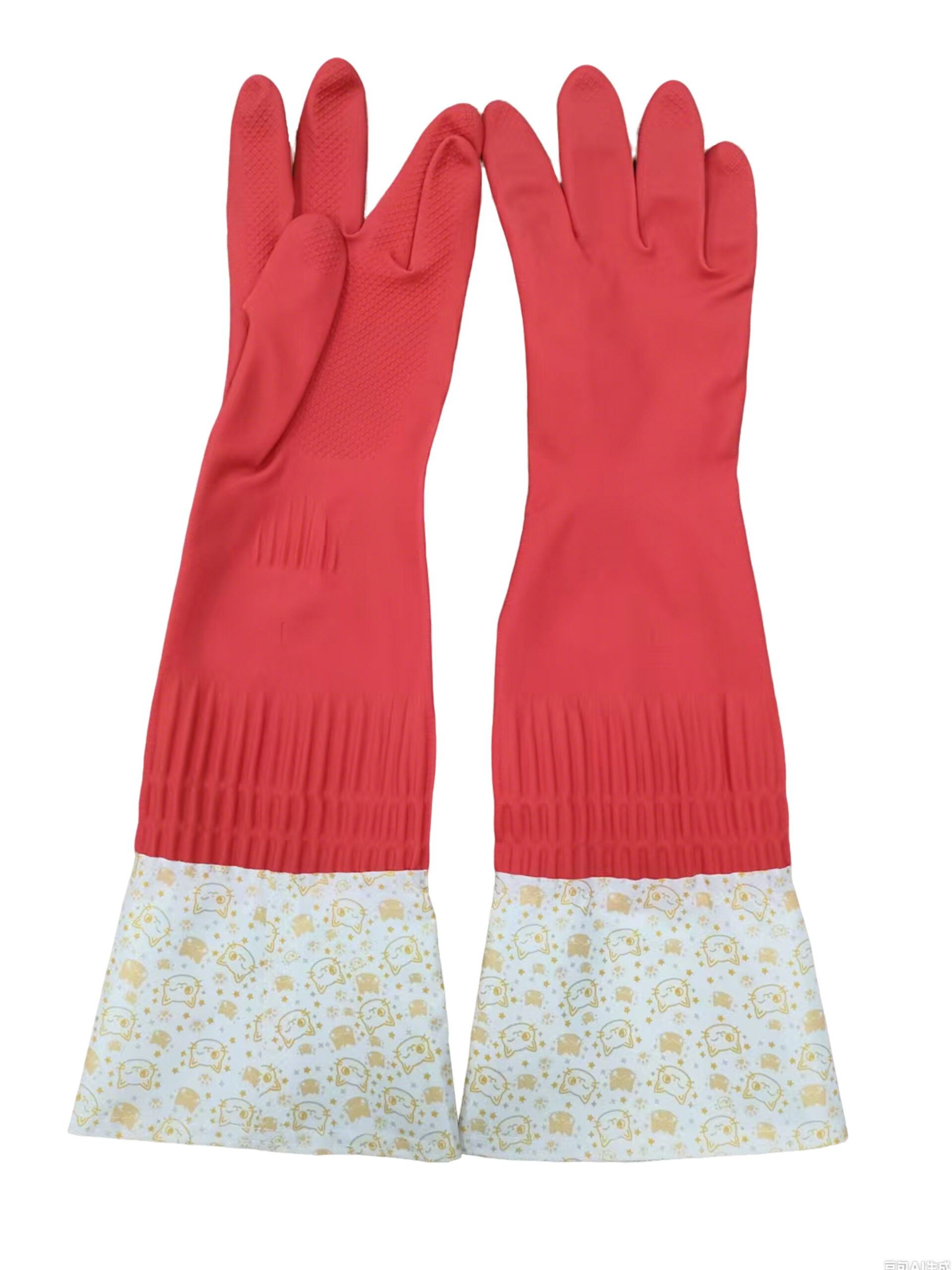
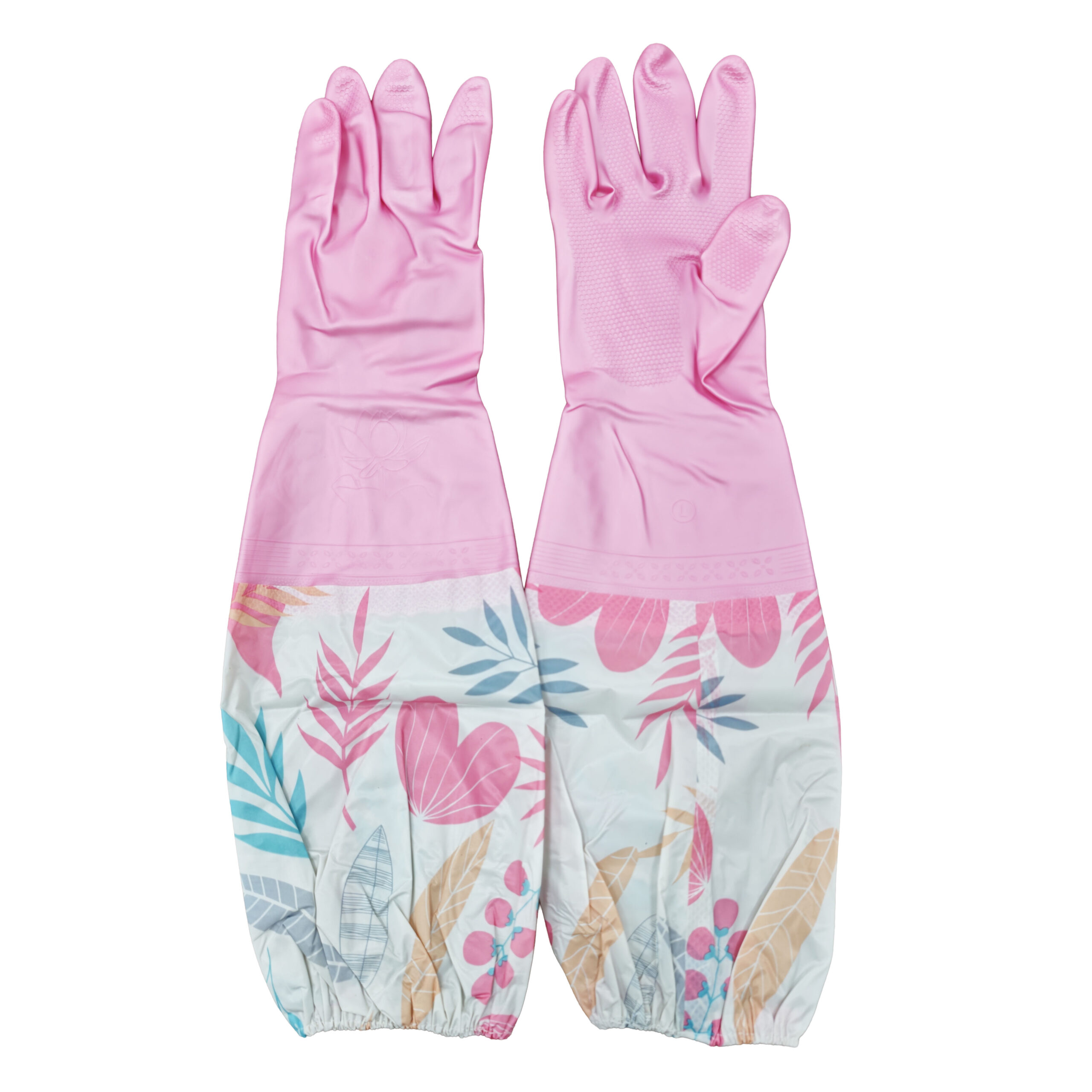
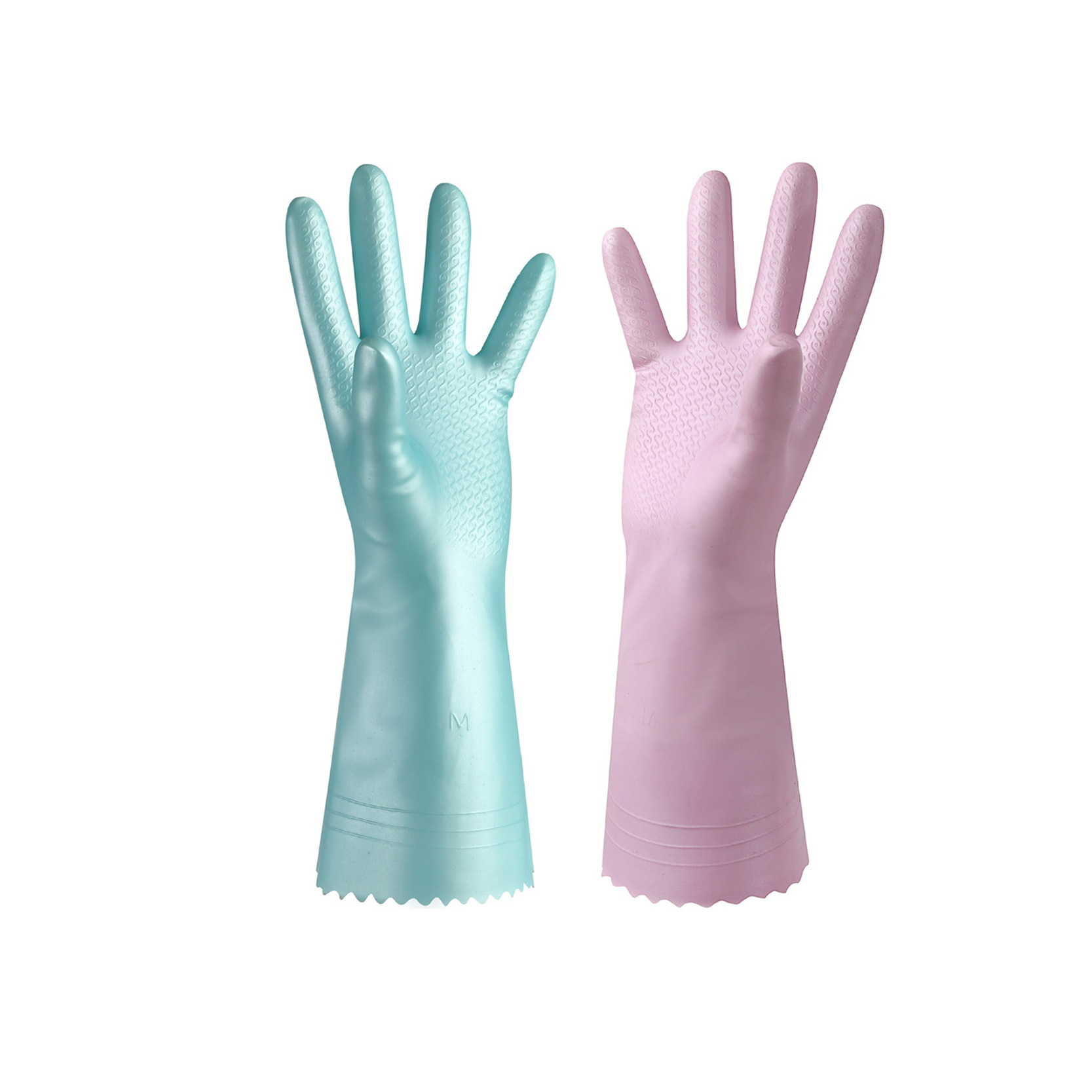
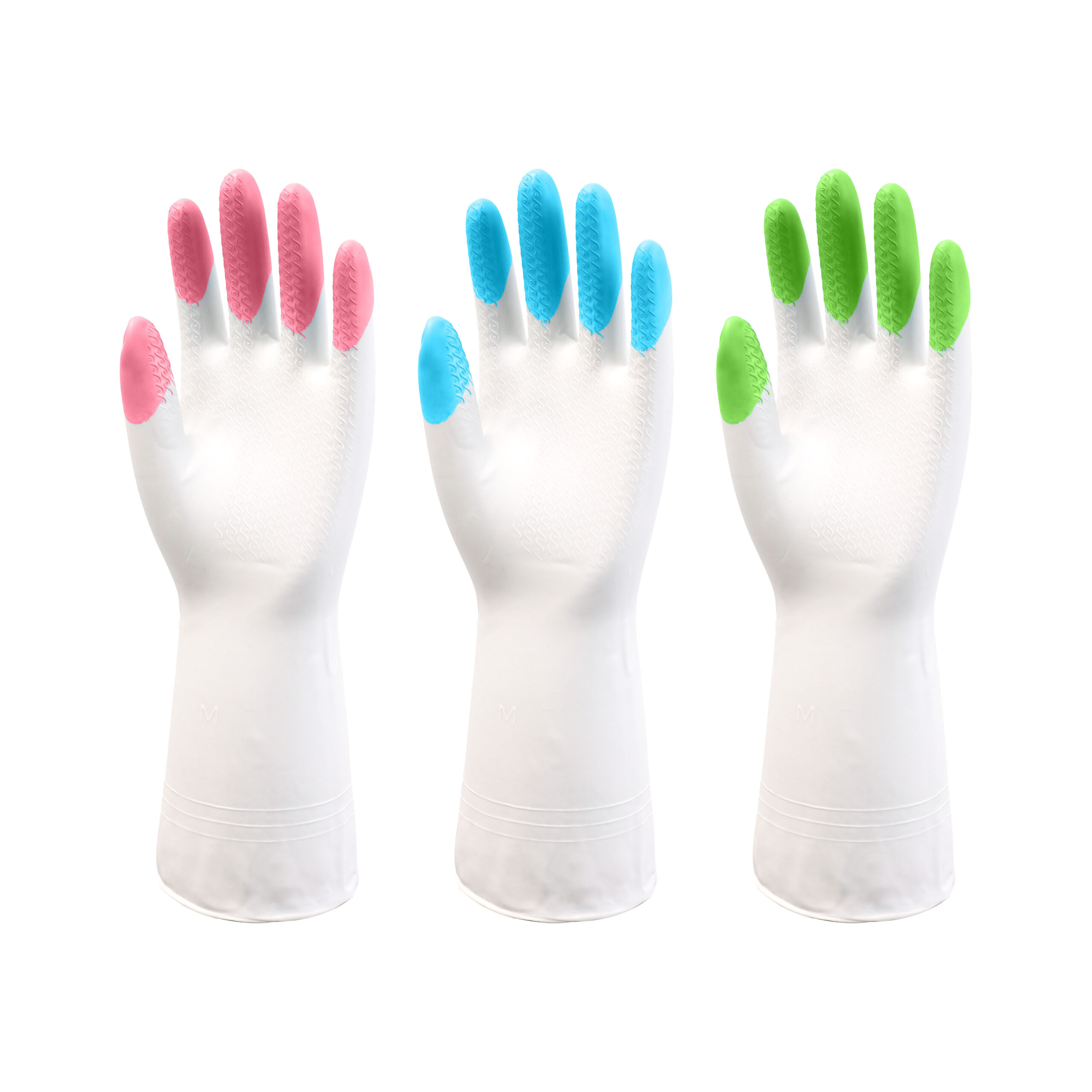
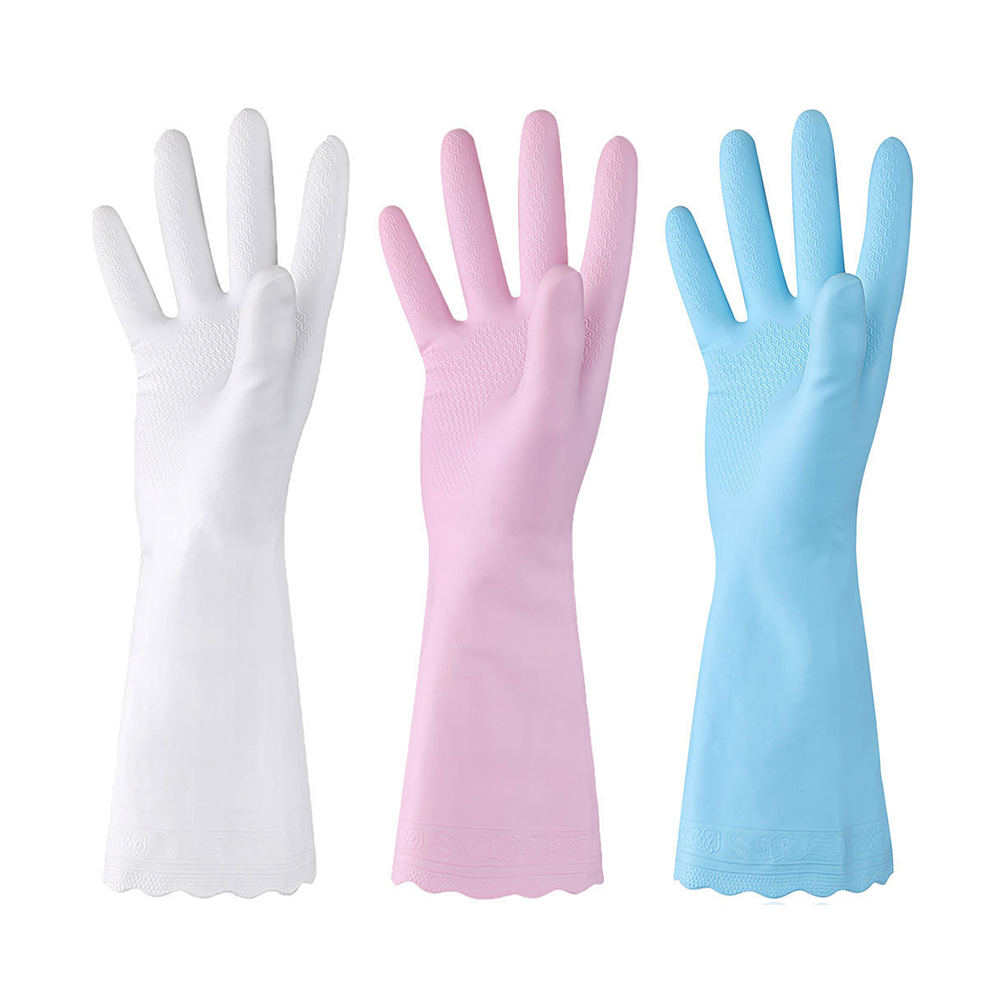
In the fast-moving consumer goods (FMCG) sector, household gloves are often viewed as non-perishable hardware. However, natural rubber and synthetic materials have a finite lifespan. For retailers and distributors, understanding household glove shelf life is critical not just for compliance, but for sales performance.
A customer’s decision to buy a pair of reusable gloves often happens in seconds: they squeeze the packaging. If the glove feels stiff (“boardy”) or the packaging looks sun-faded, the sale is lost. This guide explains how to maintain product freshness through proper storage conditions and FIFO (First-In, First-Out) rotation, ensuring your latex, nitrile, and PVC inventory remains profitable.
1 — The Retail Impact: Why Shelf Life Matters
Unlike medical gloves where “safety” is the primary driver, the shelf life of household gloves impacts your merchandising and brand reputation.

The “Squeeze Test” Factor
Household gloves are tactile products. Consumers often touch or squeeze the packaging before buying to gauge thickness and flexibility.
- The Risk: Aged latex crystallizes and hardens. If a shopper squeezes a pack and the glove feels like stiff cardboard, they will assume the product is low quality, regardless of the brand.
Visual Merchandising & Packaging
Household gloves are often displayed on peg hooks in aisles that may be exposed to overhead lighting or window daylight.
- The Risk: UV exposure fades packaging colors and degrades the glove material inside clear windows. “Tired” looking stock suggests a slow-moving store, reducing overall consumer confidence.
2 — Shelf Life by Material (Retail Guidelines)
While some manufacturers claim 5+ years for raw materials, the commercial shelf life for packaged retail goods is shorter due to display conditions.

Latex (Natural Rubber)
- Commercial Shelf Life: 3 Years
- Characteristics: Latex offers superior elasticity but is the most sensitive to ozone and light.
- Signs of Age: Stiffening (hardening), “blooming” (white powdery look on the surface), or cracking when stretched.
- Note: Keep premium flock-lined latex away from electric motors or heaters in the warehouse to prevent ozone damage.
Nitrile (Synthetic)
- Commercial Shelf Life: 4–5 Years
- Characteristics: Highly durable and resistant to oils. Nitrile is chemically stable and holds up well in warehouse environments.
- Signs of Age: Eventually becomes brittle, but degradation is much slower than latex. Ideally suited for slower-moving SKUs.
PVC (Vinyl)
- Commercial Shelf Life: 3 Years
- Characteristics: A cost-effective option often used for general cleaning.
- Signs of Age: Plasticizer migration. Over time, the oils that make PVC flexible can evaporate or migrate, leaving the glove sticky to the touch or stiff, especially in cold storage.
Pro Tip: Always prioritize the “Best By” date provided on the master carton. If no date is present, use the Date of Manufacture (DOM) + 3 years as your standard internal rotation rule.
3 — Storage Conditions Checklist
Proper storage extends the “sellable” life of your inventory.

Warehouse Environment:
- Temperature: Maintain 10–25°C (50–77°F). Avoid uninsulated metal sheds where temperatures spike in summer.
- Humidity: 40–65%. High humidity can cause mold growth on cardboard packaging; low humidity accelerates rubber drying.
- Ozone: Store away from fluorescent lights, photocopiers, and high-voltage equipment.
Retail Display & Stacking:
- Avoid Compression: Do not stack master cartons higher than recommended (usually 5–6 high). Excessive weight crushes the bottom boxes, damaging the retail packaging (blisters/boxes) and permanently creasing the gloves inside.
- Peg Hooks: For hanged stock, ensure the hang-hole is reinforced. Heavy, flock-lined gloves hanging for months on thin hooks can tear their own packaging, leading to markdowns.
4 — FIFO System & Inventory Rotation
Implementing a strict First-In, First-Out (FIFO) system prevents “dead stock” from accumulating at the back of the rack.
- Date Tagging: Upon receiving, apply a color-coded sticker to the pallet indicating the arrival quarter (e.g., Q1 = Red, Q2 = Blue). This allows forklift operators to visually identify old stock instantly.
- Flow Racking: Arrange warehouse aisles so that new stock is loaded from the back and picked from the front.
- The “6-Month” Rule: Retail distribution centers should aim to ship stock to stores with at least 50% of its shelf life remaining. Do not ship stock older than 18 months to a retail outlet, as it may sit on the shelf for another year.
- Split Case Rotation: When opening a master carton for loose picking, mark the open box with an “Open Date.” Prioritize clearing open boxes before breaking the seal on new ones.
5 — Inspection Checklist: Quality Control
Before shipping large B2B orders or stocking shelves, perform random spot checks.
The Visual Check
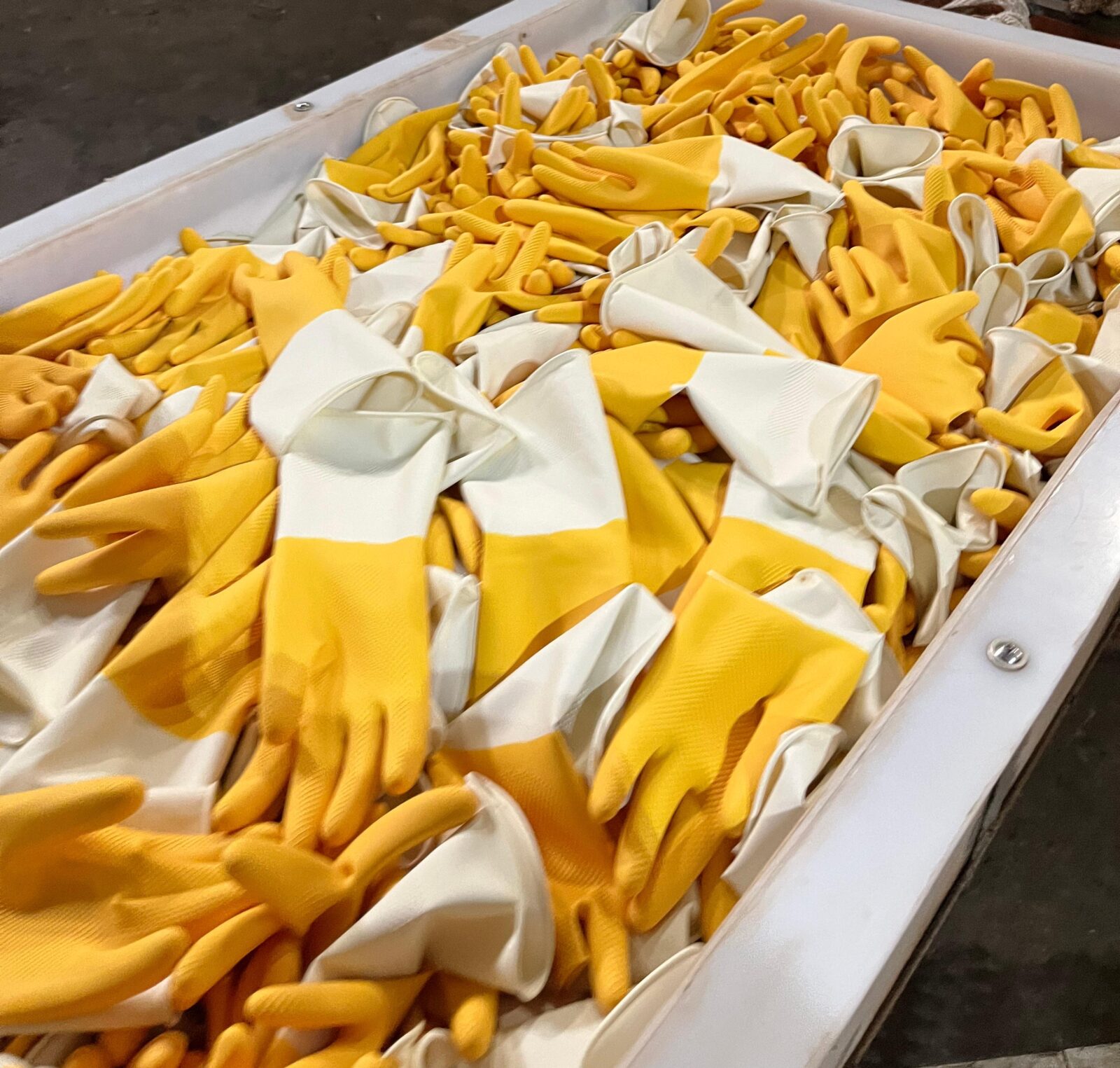
- Packaging: Is the box crushed? Is the color faded (sun damage)?
- Discoloration: For light-colored gloves (yellow/pink), look for copper-colored staining, which indicates oxidation.
The Tactile Check (The “Flex” Test)
- Elasticity: Inflate the glove slightly or stretch the cuff. It should rebound immediately. If it stays stretched or cracks, the batch is expired.
- Lining: For flock-lined gloves, rub the inside. If the cotton flock sheds excessively or feels gritty, the adhesive binding the flock may have degraded.
- Surface: Check for stickiness (common in old PVC) or a slick/oily residue.
6 — Managing Slow-Moving & Near-Expiry Stock
Even with perfect rotation, some SKUs move slower than others.
- Promotional Bundling: Bundle near-expiry household gloves with high-turnover cleaning fluids (e.g., “Buy Detergent, Get Gloves 50% Off”). This clears stock fast without damaging the brand value.
- Clearance Channels: Move stock with <6 months shelf life to discount channels or dollar-store outlets immediately rather than letting it expire in the main warehouse.
- Donations: Unexpired but slow-moving hygiene gloves are highly valued by local shelters and food banks. This converts potential waste disposal costs into CSR (Corporate Social Responsibility) value.
Quick FAQ
Q: Can household gloves be stored in unheated warehouses during winter?
A: Yes, but they must be acclimated to room temperature (approx. 20°C) for 24 hours before shipping or testing. Frozen PVC or Latex can crack if manipulated while cold.
Q: Why do some latex gloves turn white in storage?
A: This is called “blooming.” It is a natural migration of wax to the surface to protect the rubber. It usually wipes off and does not affect quality, but it looks unappealing to consumers.
Q: How often should we audit glove inventory?
A: Conduct a physical count and date-code check quarterly (every 3 months) to identify slow-moving SKUs before they expire.
Closing & Next Steps
Ensuring the freshness of your household glove inventory protects your margins and your customers’ trust. Don’t let good stock go bad.
Would you like to streamline your receiving process?