Intro
Understanding glove cost-per-use changes procurement from guesswork into measurable savings. This analysis compares reusable vs disposable gloves across unit price, lifespan, failure rates and labor time so procurement teams can lower the total cost of ownership (TCO) for latex, nitrile and PVC programs while maintaining safety.
1 — What is cost-per-use and why it matters

Cost-per-use (CPU) = Total cost of the glove ÷ Number of useful uses. Procurement decisions based on CPU (not just unit price) reveal true savings:
- Prevents false economy buying cheap gloves that tear frequently.
- Helps choose durable gloves for heavy tasks.
- Informs SKU mix (disposable for contamination; reusable for routine tasks).
2 — Formula & simple example (step-by-step)
Formula: CPU = Unit price ÷ Useful uses

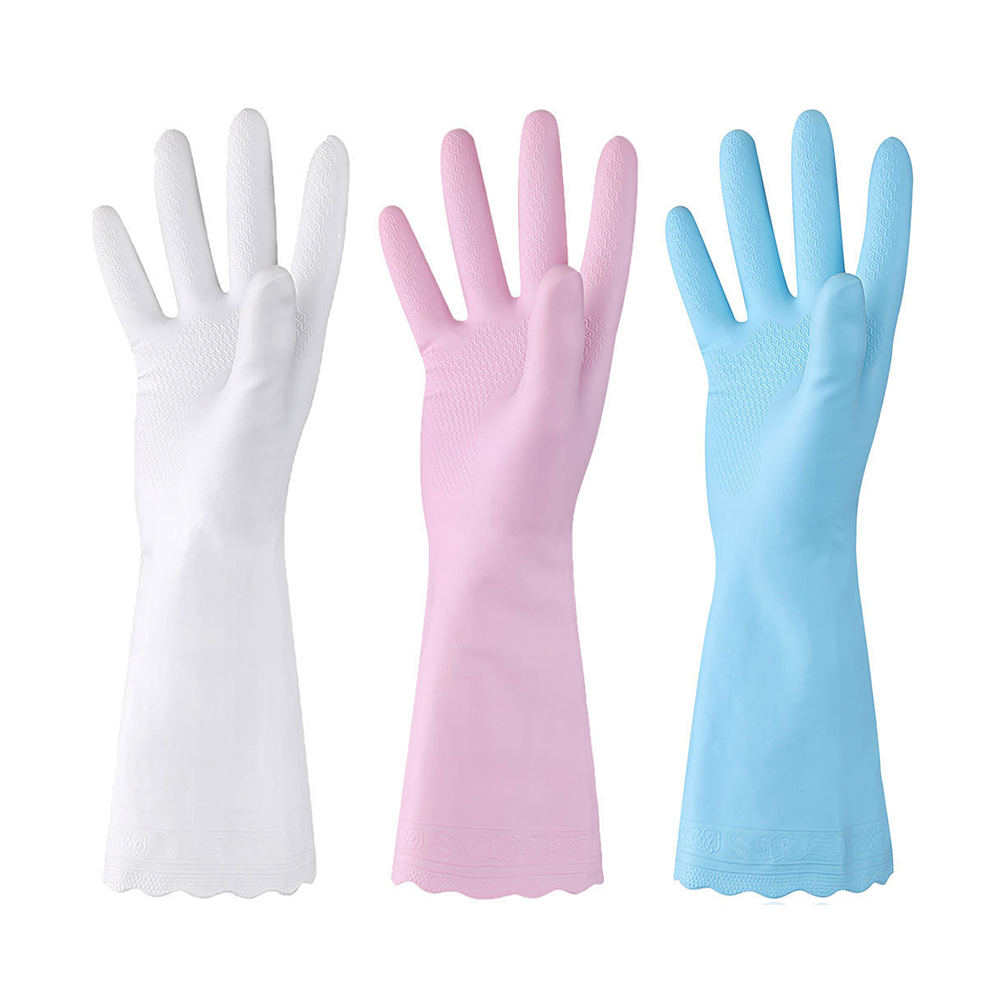
Example 1 — Reusable nitrile:
- Unit price: $2.50 per pair.
- Useful uses: 30 (one glove pair used across multiple shifts/days).
Step-by-step calculation:
- Convert dollars to cents: $2.50 = 250 cents.
- Divide by uses: 250 ÷ 30 = 8.333… cents per use.
- Convert back to dollars: $0.0833 per use (≈ 8.33 cents).
Example 2 — Disposable nitrile:
- Unit price: $0.10 per pair.
- Useful uses: 1 (single use).
CPU = $0.10 ÷ 1 = $0.10 per use (10 cents).
Interpretation: In this example, the reusable glove costs 8.33 cents per use vs 10 cents for disposable — the reusable is cheaper per use and reduces waste.
3 — Add real-world variables
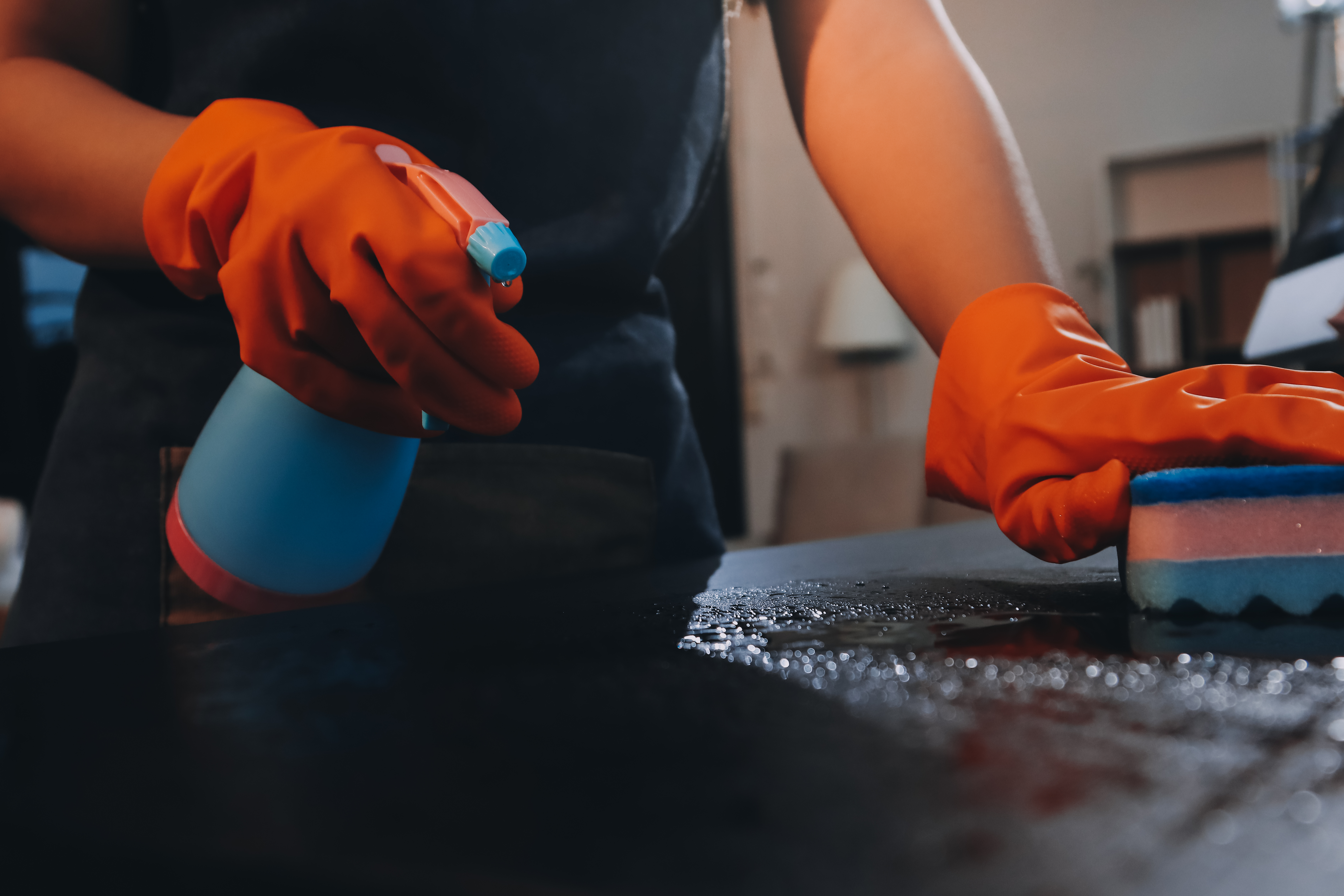
Consider these when comparing CPU:
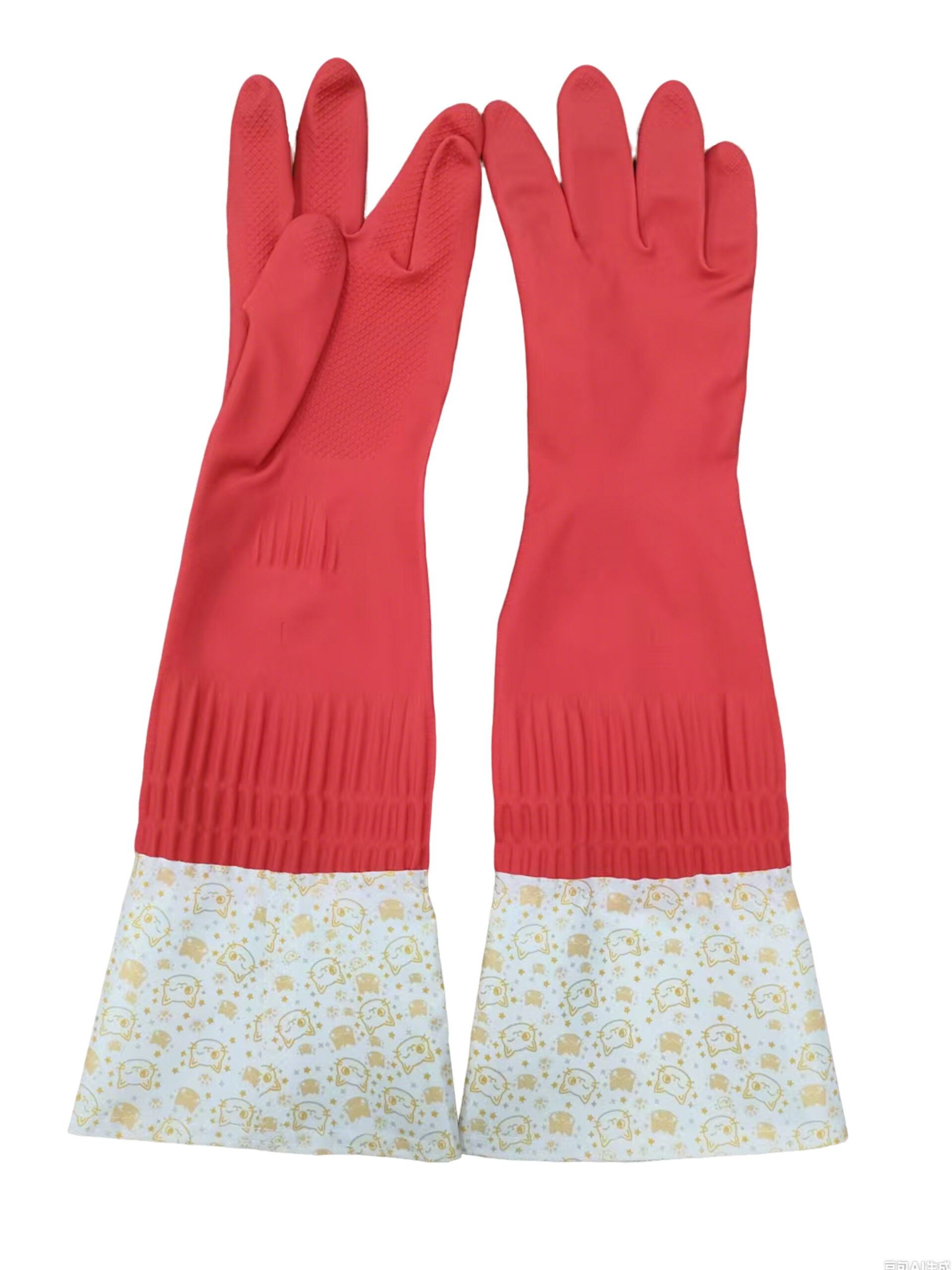
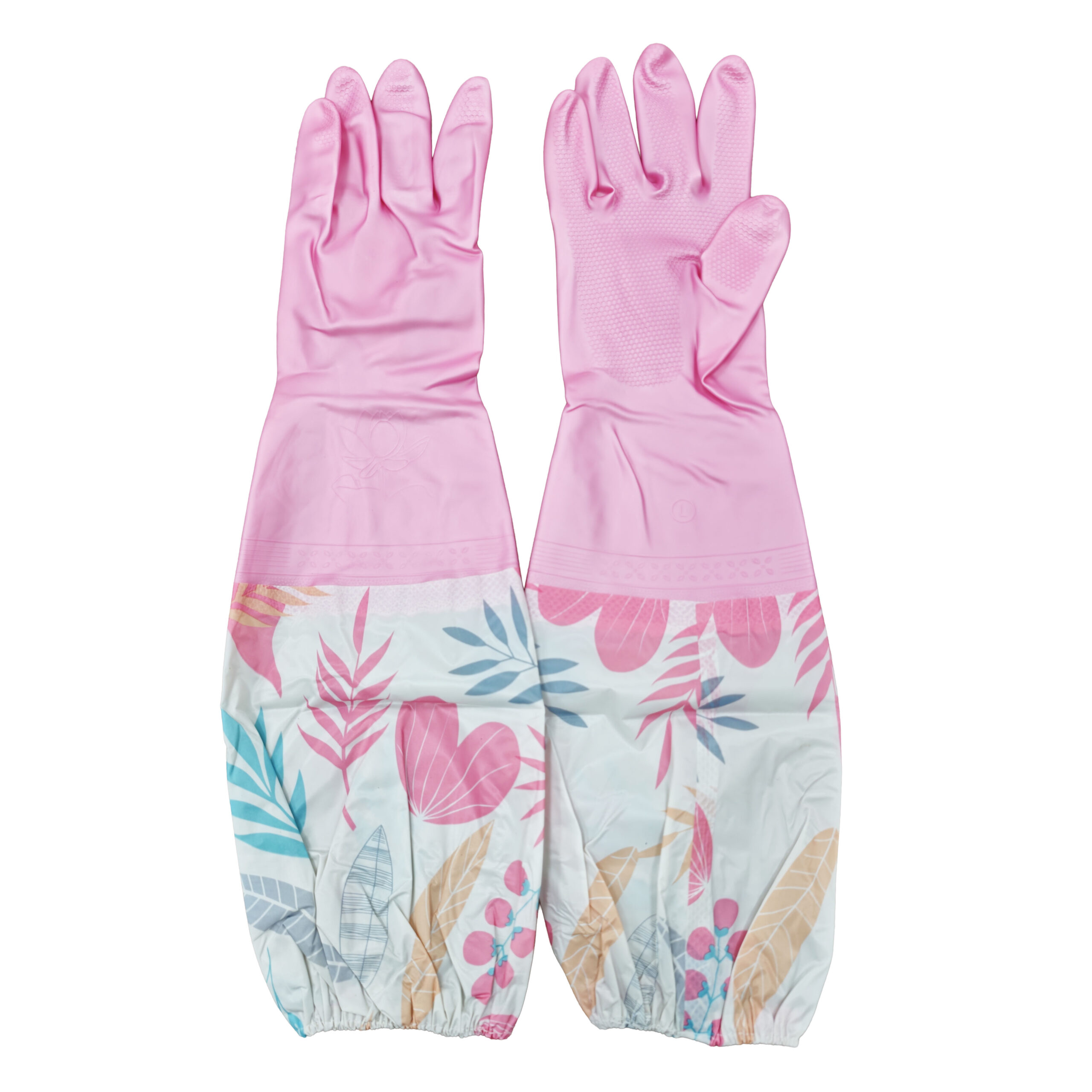
- Failure rate: If reusable gloves fail earlier than expected, CPU rises.
- Cleaning & labor: Reusable gloves may require cleaning time and supplies — factor that cost.
- Replacement & downtime: Glove failure during work can cause rework and lost time.
Compliance & hygiene: Some tasks legally require single-use (food, biohazard) — CPU must respect safety rules.
4 — How to run a procurement CPU pilot
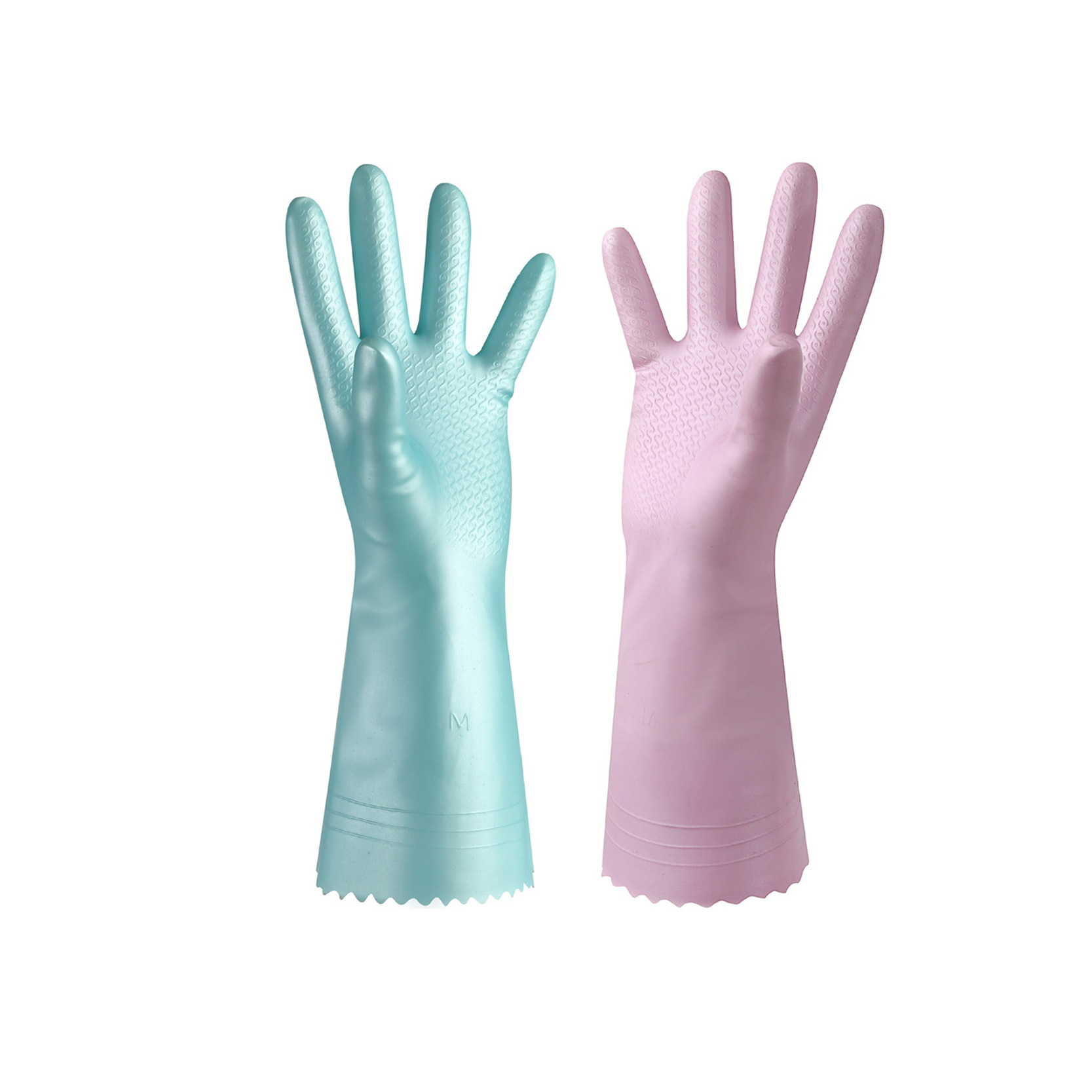
- Select candidate SKUs (cheap disposable, premium disposable, reusable).
- Run a 4-week pilot on a defined line or team. Track usage, failures, worker feedback, cleaning time.
- Record costs: unit price, cleaning cost per use, labor minutes for cleaning (convert to $), and replacement rate.
- Calculate CPU per SKU including cleaning & labor.
- Decide on SKU mix by role (use reusable where safe, disposable where required).
5 — Quick tips to reduce total glove spend

- Buy slightly higher spec for high-abrasion roles — lower CPU and fewer incidents.
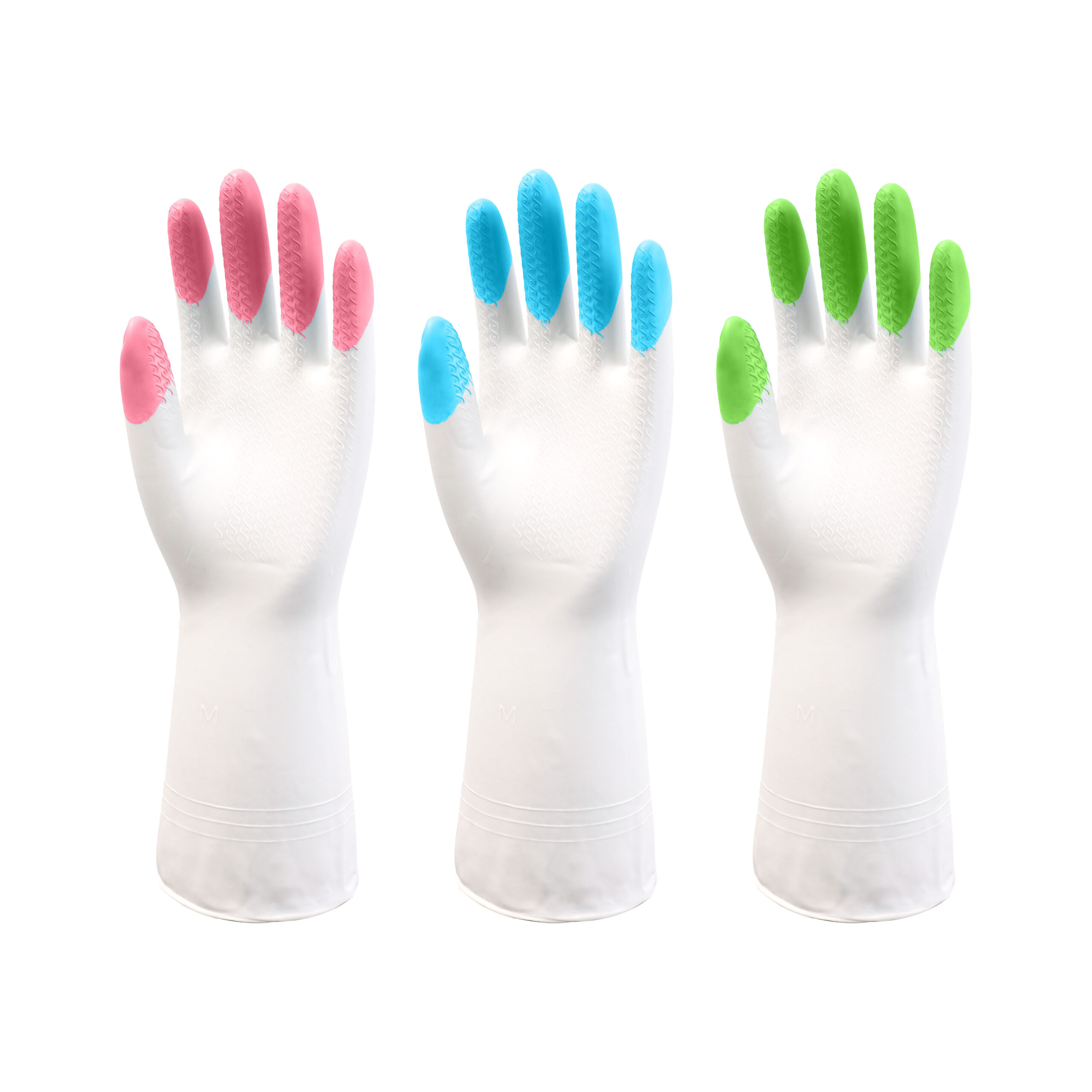
- Use color-coding by role to reduce misuse and unnecessary replacements.
- Negotiate MOQ and bulk pricing based on CPU demonstrated in pilots.
- Track KPIs: failures per 1,000 uses; cost-per-use monthly.
Closing
Want a CPU worksheet and a pilot plan tailored to your facility? We can build a 4-week pilot test, supply sample SKUs and calculate your true glove TCO.