Introduction
As a leading household glove manufacturer with 30 years of expertise, Red Sunshine (RSGlove) knows that a high-quality pair of reusable gloves is an investment in your home’s hygiene. Unlike cheap alternatives, professional-grade latex and nitrile gloves are built for durability. However, even the toughest gloves benefit from proper care. In this guide, we share 10 essential reusable glove hacks to help you extend the life of your gloves, store them like a pro, and even give them a second life once they finally wear out.
1 — 10 Practical Reusable Glove Hacks
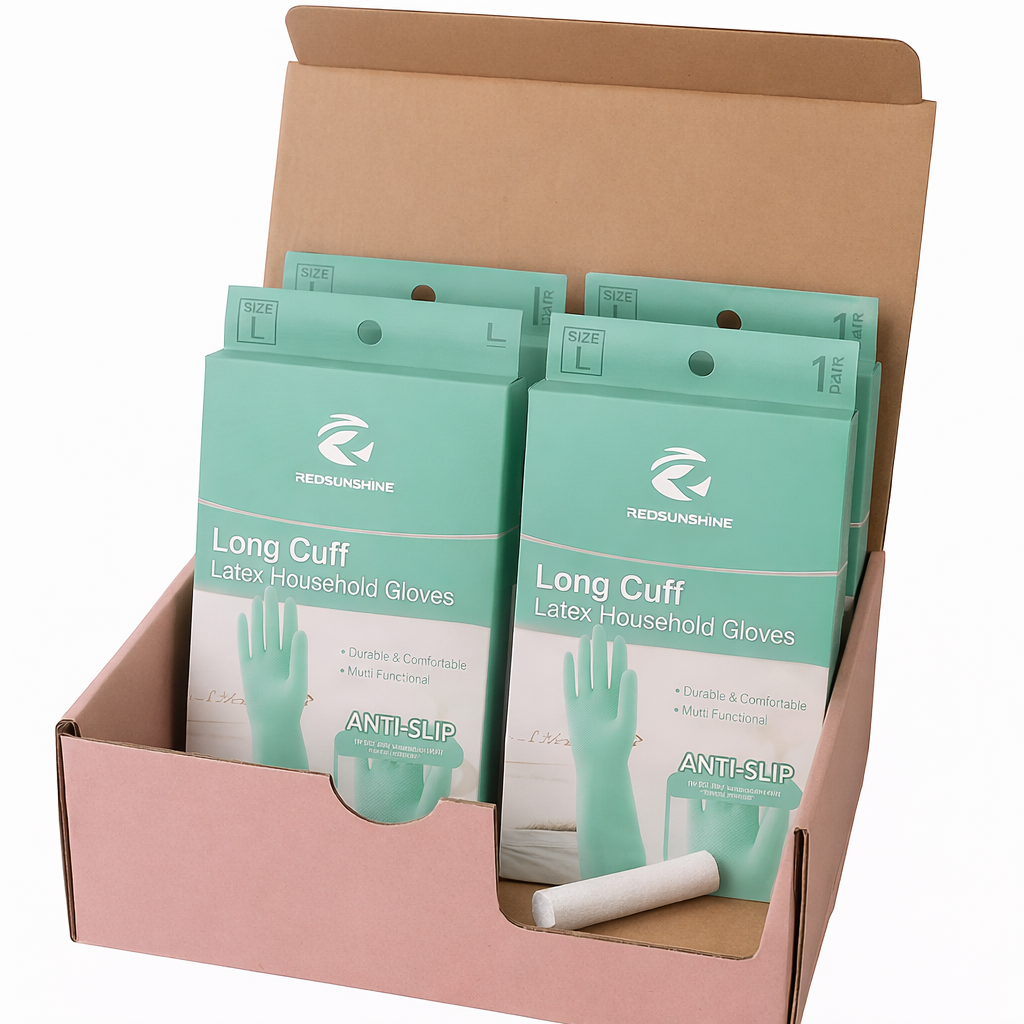
- The Chalk Moisture-Absorber: Humidity is the enemy of natural latex. Drop a piece of chalk into your glove storage drawer or box. The chalk absorbs ambient moisture, preventing the gloves from becoming “tacky” or sticking together in humid climates.
- Rice Sachets for Interior Drying: After a long cleaning session, moisture can get trapped inside the flock-lining. Place a small DIY sachet of dried rice inside the glove for 30 minutes to pull moisture out of the fingertips, preventing mold and odors.
- The Vinegar Odor Neutralizer: To keep reusable gloves fresh, soak them in a simple solution of water and white vinegar (10:1 ratio) for 15 minutes once a week. This neutralizes bacteria from sweat without degrading the nitrile or latex material.
- Heavy-Duty Rubber Bands: When a glove eventually punctures, don’t toss it. Cut the “sleeve” or “cuff” into 1-inch horizontal strips. These make incredibly strong, industrial-grade rubber bands for securing trash bags to cans or bundling garden tools.
- The “Salt Scrub” Grip Booster: If your gloves have become slippery from dish soap or oils, sprinkle coarse salt on the palms and rub them together under warm water. This removes residual grease buildup and restores the original grip texture.
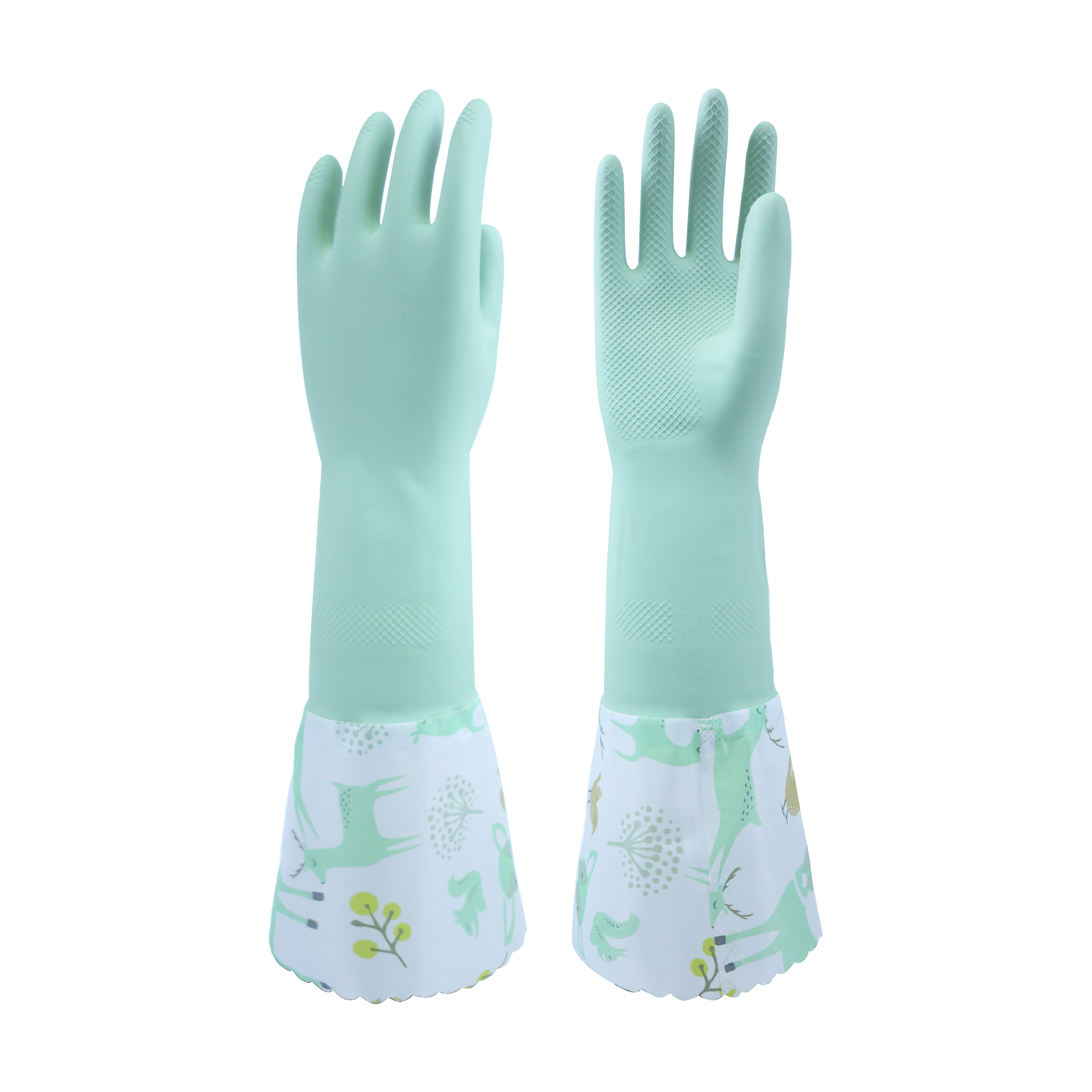
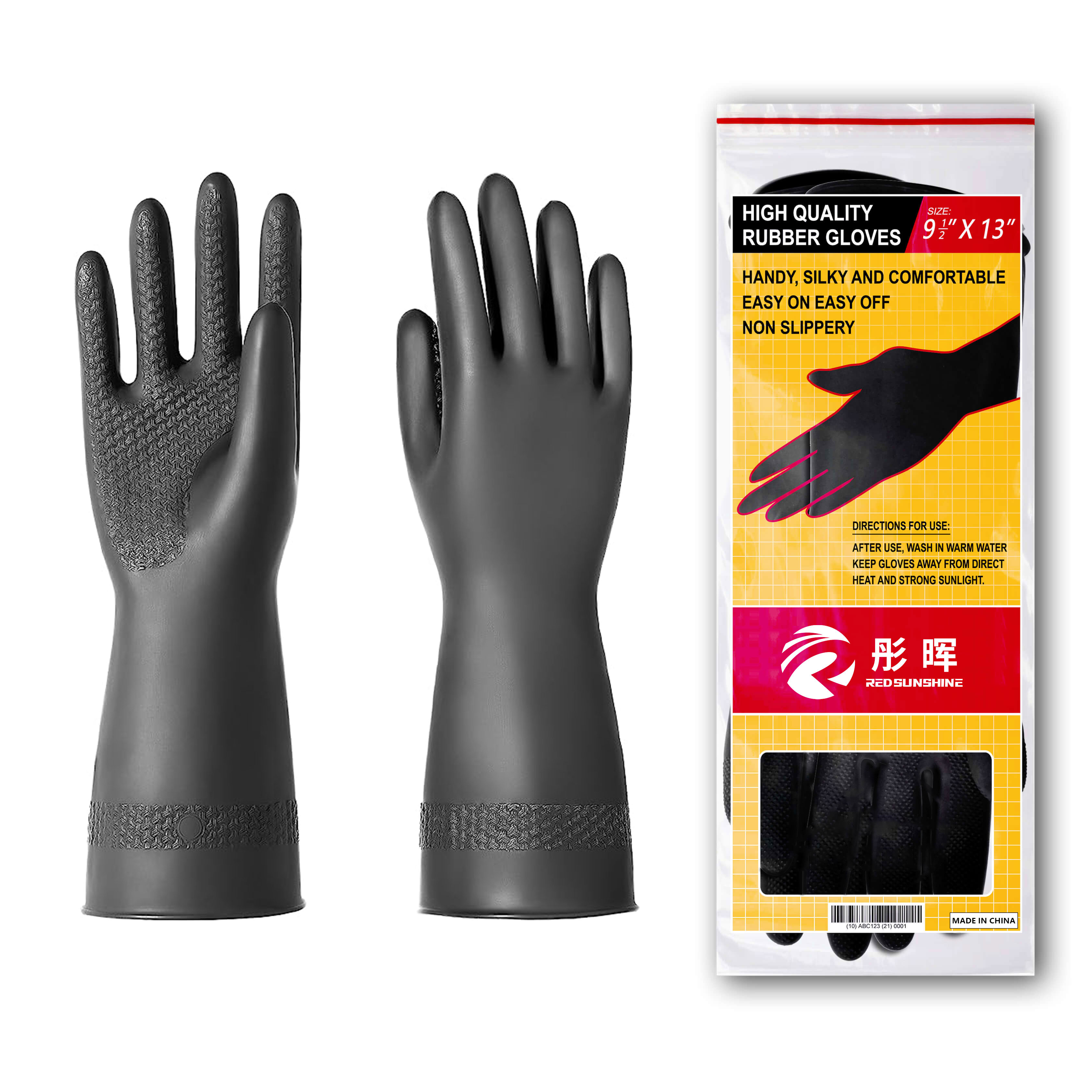
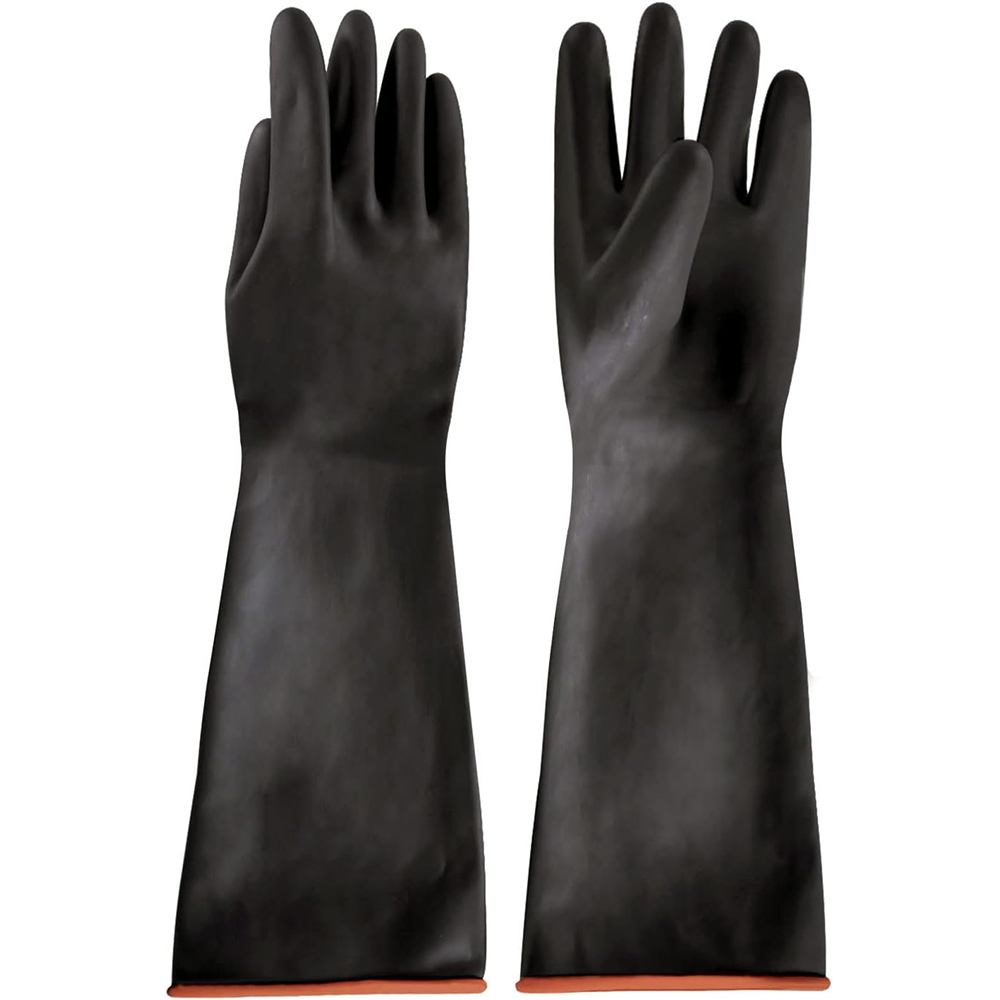
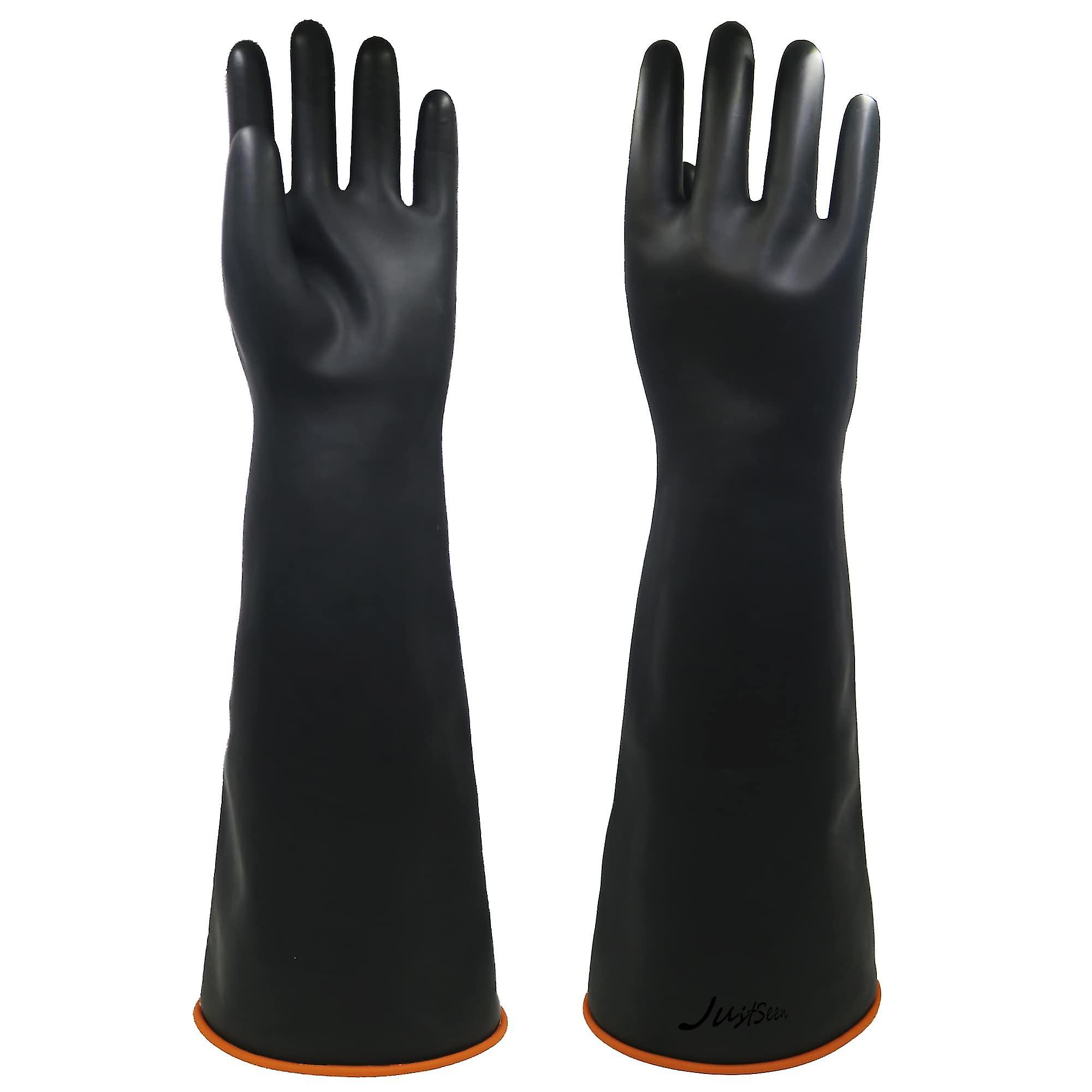
- Color-Code by Zone (Bicolor Strategy): Use different colored gloves (e.g., Bicolor Latex) for different tasks. Label your storage: Yellow/Blue for Kitchen, Black/Orange for Heavy-Duty/Industrial, and Pink for Bathroom. This prevents cross-contamination.
- Magnetic Glove Hanger: Attach a small binder clip to the cuff of your gloves and hang them from a magnetic hook inside your sink cabinet. This allows for 360-degree airflow, ensuring they dry completely between uses.
- The Ultimate Jar Opener: Reusable nitrile gloves provide superior torque compared to bare hands. Keep an old glove in your kitchen “junk drawer” specifically to provide extra friction for opening stubborn vacuum-sealed jars.
- Anti-Vibration Pads: Cut small circles from the palm area of a worn-out PVC or Latex glove. Glue them to the bottom of small kitchen appliances (like blenders or mixers) to act as DIY anti-vibration and non-slip pads.
- Cold Compress Barrier: Reusable gloves are thicker than disposables. Use a clean glove to hold an ice pack. The material provides the perfect thermal barrier—protecting your skin from “ice burn” while allowing the cold to penetrate effectively.

2 — Storage & Longevity Tips (Manufacturer Insights)
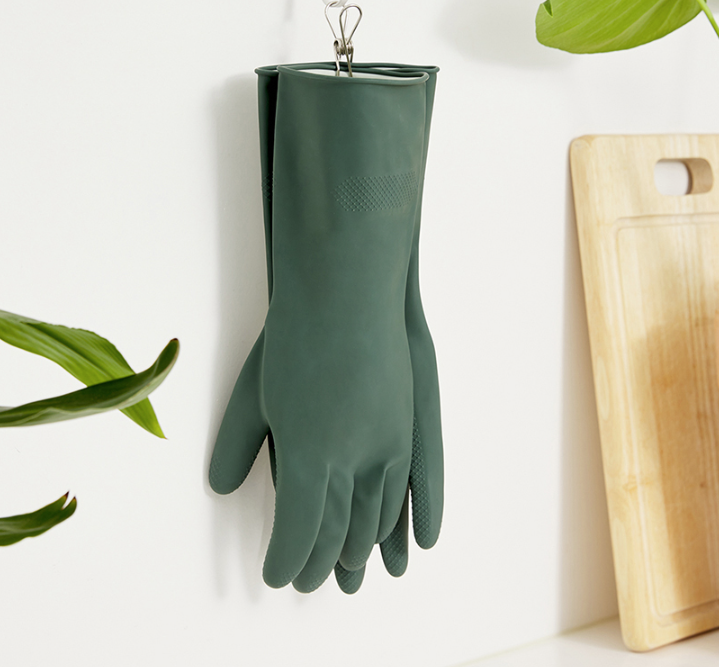
To ensure your gloves last for months rather than weeks, follow these professional storage guidelines:
- Optimal Climate: Store in a cool, dark, dry spot (10–25°C). Direct UV sunlight causes “ozone cracking” in natural latex, making them brittle.
- Avoid Chemical Residue: Always rinse the exterior of your gloves after contact with harsh detergents or bleach. Chemicals left on the surface will slowly “eat” the material over time.
- The “Flat-Lay” Rule: Avoid folding or crumpling gloves, which can create permanent stress points and lead to tears. Lay them flat or hang them by the cuff.
3 — Safety Reminders: When to Replace
While these hacks help you save money, safety comes first. Red Sunshine recommends replacing your reusable gloves if:
- The material feels “gummy” or excessively sticky (a sign of chemical degradation).
- There are visible cracks when the material is stretched.
- You are switching from handling bathroom chemicals to food-contact tasks.
FAQ
Q: Can I wash my reusable gloves in the washing machine?
A: We do not recommend it. The mechanical agitation and high heat can damage the structural integrity of the latex or nitrile. Hand-washing with mild soap and air-drying is best.
Q: Why do my latex gloves get stiff in the winter?
A: Natural rubber is sensitive to temperature. If they become stiff, simply rub them between your hands or soak them in lukewarm water to restore elasticity.
Q: Is Nitrile or Latex better for household hacks?
A: Both are great! Nitrile is better for oil-based tasks (like polishing furniture), while Latex offers the best elasticity for repurposing into rubber bands.
Closing + CTA
At Red Sunshine (RSGlove), we provide wholesale solutions for brands that value quality and durability. By choosing the right reusable gloves and maintaining them properly, you reduce waste and ensure superior hand protection.
Ready to upgrade your inventory with professional-grade household gloves?